

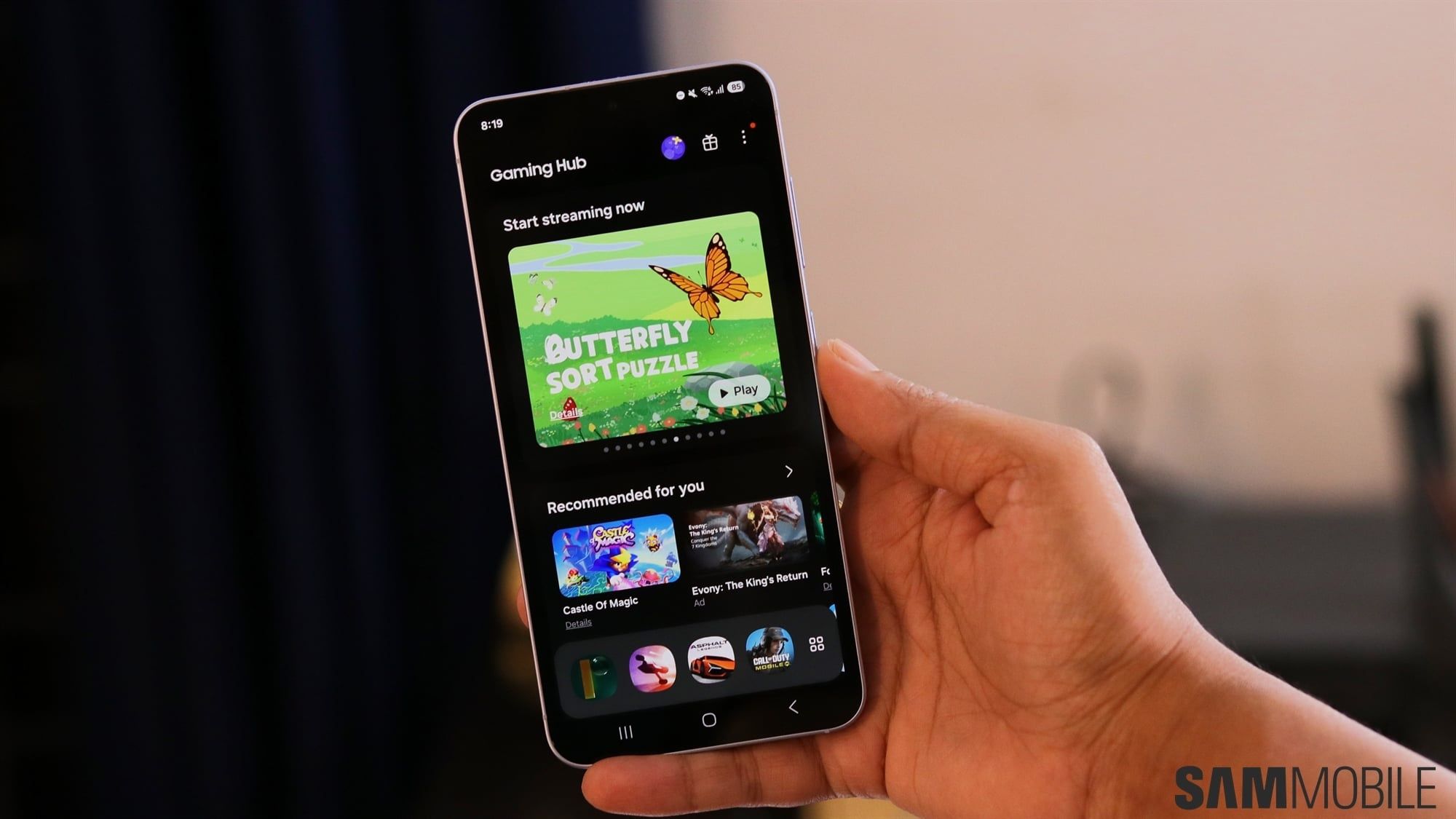
Samsung Gaming Hub Unveils Major Redesign and Smarter Recommendations

📷 Image source: sammobile.com
A Visual and Functional Overhaul for Samsung's Gaming Platform
The latest update brings a cleaner look and personalized discovery features
Samsung has rolled out a significant update to its Gaming Hub platform, introducing a completely redesigned user interface alongside a new system for personalized game suggestions. According to sammobile.com, the refresh aims to make navigating the cloud gaming and entertainment service more intuitive and engaging for users on compatible Samsung Smart TVs and monitors. The changes represent one of the most substantial visual updates since the hub's initial launch, shifting towards a more modern and user-centric design philosophy.
The new layout is immediately noticeable, moving away from previous iterations to present content in a more organized and visually distinct manner. The report states that the update is now live, meaning users can experience the changes immediately on their devices. This overhaul comes as cloud gaming services continue to compete for user attention, making ease of access and content discovery critical factors for platform loyalty.
Navigating the New Interface: What's Changed?
The core navigation of the Samsung Gaming Hub has been reworked to reduce clutter and highlight content. Key sections and game libraries are now more prominently displayed, with an emphasis on visual thumbnails and clear categorization. The design language appears to prioritize speed, allowing gamers to find their preferred titles or services like Xbox Cloud Gaming, NVIDIA GeForce Now, and Utomik with fewer clicks.
While sammobile.com does not list every minute graphical change, the overall impression from the report is of a more streamlined experience. The interface adjustments likely extend to menu animations, iconography, and the spatial arrangement of on-screen elements, all intended to create a more cohesive and responsive feel that aligns with Samsung's broader Tizen OS ecosystem for TVs.
The Rise of Personalized Game Suggestions
How the new recommendation engine aims to understand your playstyle
Beyond the cosmetic update, the introduction of personalized game suggestions is a pivotal functional upgrade. The system analyzes a user's gaming activity and preferences to surface titles they might enjoy. According to the report, this feature is designed to help users discover new games within the vast libraries offered by the integrated cloud gaming partners, potentially increasing engagement with the platform.
This move mirrors trends seen across digital entertainment, from streaming video to music, where algorithmic curation is key to user retention. For a gaming hub aggregating multiple services, a smart recommendation system can cut through the noise, guiding users directly to content that matches their interests, whether that's specific genres, popular titles, or hidden gems they might otherwise overlook.
Technical Underpinnings of the Smarter Hub
The personalized suggestion feature requires the platform to process user data, such as games played, session frequency, and possibly time spent on specific genres or partners. According to sammobile.com, this data is used to tailor the homepage experience. The technical implementation involves backend algorithms that categorize games based on metadata—like action, RPG, or strategy tags—and cross-reference them with a user's historical interactions.
This process happens on Samsung's servers, with results fed back to the user's device to populate the new recommendation sections within the interface. It's a complex balance of data analysis and UI design, ensuring suggestions feel relevant without being intrusive. The system's effectiveness will hinge on the accuracy of its tagging and its ability to learn from subtle user preferences over time.
Integration with Cloud Gaming Partners
The update's success is intrinsically linked to its deep integration with partner services. Samsung Gaming Hub doesn't host games itself but acts as a unified portal. Therefore, the new interface and recommendation engine must seamlessly pull data and art assets from Xbox, NVIDIA, Amazon Luna, and others to present a unified front.
This requires robust APIs and consistent data feeds from each partner. When the hub suggests a game from GeForce Now, for instance, it must ensure that the title is currently available on that service and that clicking it initiates a smooth launch sequence. The redesigned interface likely standardizes how these external libraries are presented, creating a more consistent user experience regardless of which cloud service is being accessed.
Competitive Landscape and Market Position
Samsung's update arrives amidst a fiercely competitive cloud gaming market. Dedicated devices, smart TV apps from individual companies, and other aggregators are all vying for the living room screen. A polished, intuitive interface combined with smart discovery features is a direct response to this competition, aiming to make Samsung's native hub the most convenient option on its hardware.
By controlling the dashboard experience on millions of Samsung Smart TVs, the company leverages its hardware footprint to promote its software ecosystem. The personalized suggestions are a strategic tool to increase the perceived value of Samsung's platform over simply using a separate console or a competitor's TV dongle for cloud gaming. It encourages users to start and remain within the Samsung Gaming Hub environment.
User Experience and Accessibility Considerations
A major redesign always carries the risk of alienating existing users accustomed to the old layout. Samsung's challenge is to make the new interface not only fresh but also immediately more usable. Key accessibility features, such as clear text readability, intuitive focus navigation for remote controls, and well-organized menus, are paramount in a living room setting where users may be several meters from the screen.
The addition of personalized suggestions also raises questions about user control. The report from sammobile.com does not detail if users can fine-tune these recommendations or reset their preference profile. An ideal implementation would include some level of user input, allowing gamers to indicate if a suggestion was helpful or to exclude certain genres, ensuring the system serves as a helpful guide rather than a rigid curator.
Future Implications and Platform Evolution
This update signals Samsung's continued investment in Gaming Hub as a core service. Introducing a sophisticated recommendation engine lays the groundwork for more advanced features in the future, such as social features showing what friends are playing, achievement tracking across services, or even cross-platform save file integration hints. The new interface framework is also likely built to be more scalable, easily accommodating new cloud gaming partners or content categories like gaming-related video streams.
The ultimate test will be user adoption and engagement metrics. If the new design and personalized suggestions successfully keep users exploring and playing for longer periods, it will validate Samsung's approach. According to the publication, this update is live now, providing a real-world laboratory to gauge user reaction and refine the experience further in subsequent updates. As cloud gaming evolves, the hub that best connects players to their next favorite game holds a distinct advantage.
#Samsung #GamingHub #CloudGaming #SmartTV #Gaming


