

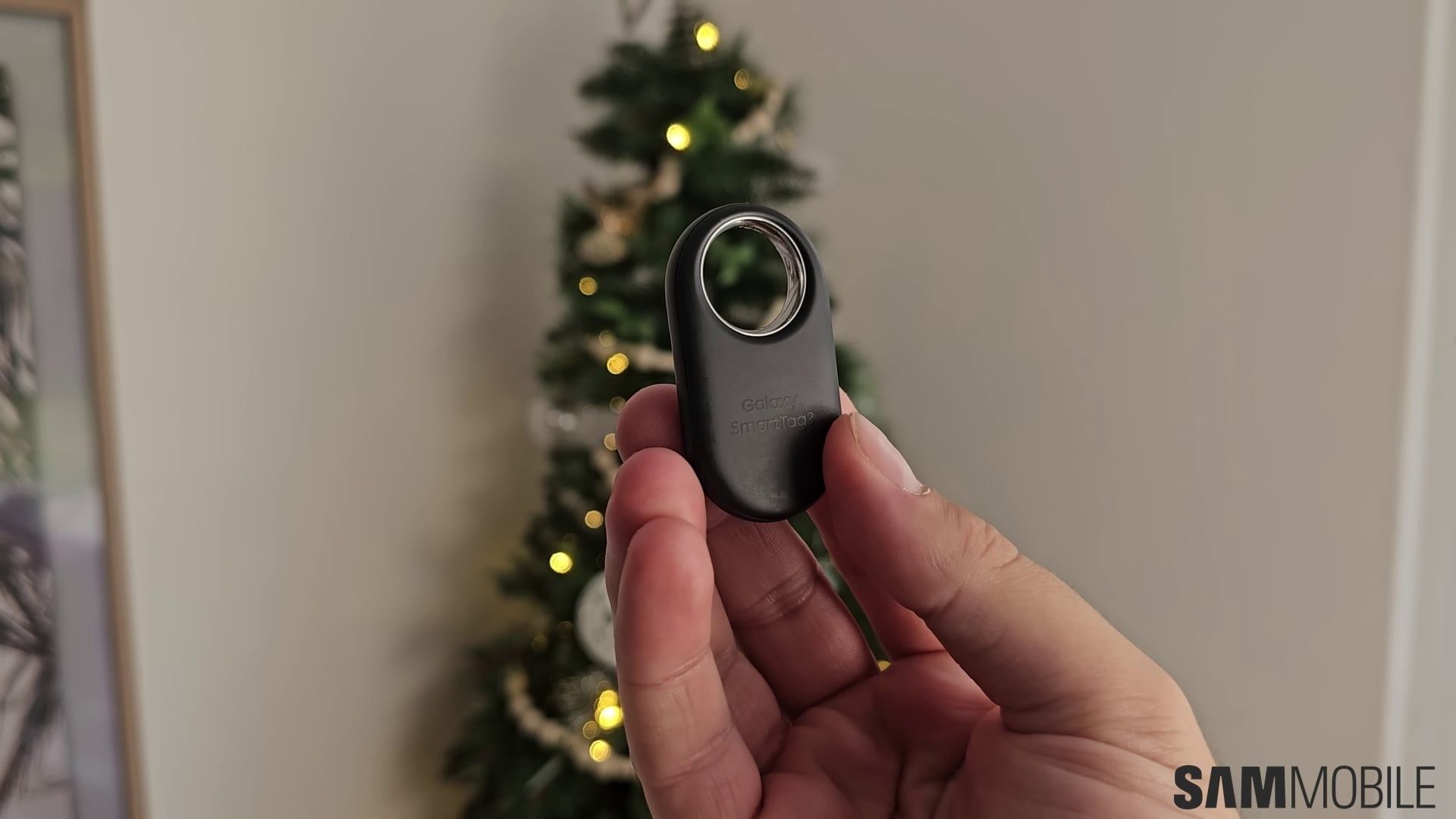
Samsung's Smart Tag Strategy Appears to Shift, Mirroring Apple's Tightly Integrated Ecosystem

📷 Image source: sammobile.com
A Strategic Pivot in the Tracker Market
Evidence points to Samsung aligning its accessory philosophy closer to its rival's
In the competitive world of Bluetooth trackers, a subtle but significant shift may be underway at Samsung. According to a report from sammobile.com, the South Korean tech giant appears to be re-evaluating its approach to smart tags, potentially adopting a strategy that more closely resembles that of its chief rival, Apple. This move, if confirmed, would mark a notable departure from Samsung's previous, more open ecosystem philosophy for these devices.
The core of this potential shift lies in how the tags integrate with Samsung's wider product universe. While details remain speculative, the report suggests Samsung is considering a model where its Galaxy SmartTags become more deeply and exclusively enmeshed with its own Galaxy smartphones and tablets. This stands in contrast to a more universally compatible accessory, raising questions about consumer choice and brand loyalty in the process.
Decoding the 'Apple-Like' Approach
What does tighter integration actually mean for users?
Apple's AirTag is the archetype of a closed-ecosystem tracker. It is designed to work seamlessly with the Find My network, but this functionality is almost entirely restricted to devices within the Apple ecosystem—iPhones, iPads, and Macs. For Samsung to take a 'more Apple-like approach,' as stated by sammobile.com, would imply building a similarly walled garden around its Galaxy SmartTags and the SmartThings Find network.
This could manifest in several ways. It might involve limiting advanced features, such as precise ultra-wideband (UWB) tracking or crowd-finding capabilities, exclusively to recent Galaxy devices. Alternatively, it could mean the basic functionality for setting up or locating a tag becomes less accessible on non-Samsung Android phones or iPhones. The goal is clear: to use the accessory as a lever to drive sales of the primary hardware, creating a self-reinforcing loop of brand dependency.
The Driver Behind the Potential Shift
Ecosystem lock-in versus cross-platform convenience
The rationale for such a strategy is deeply rooted in modern tech business models. Accessories like smart tags are rarely significant profit centers on their own. Instead, their value is strategic. By making the SmartTag experience superior or unique on Galaxy devices, Samsung can create a powerful incentive for customers to stay within its ecosystem. If you own a Galaxy SmartTag, the thinking goes, you'll have a smoother, fuller experience with a Galaxy phone, which in turn makes you more likely to buy another Galaxy phone, watch, or tablet down the line.
This concept, often called 'lock-in,' is a double-edged sword. While it fosters brand loyalty and can enhance the user experience through deep integration, it also limits consumer freedom. A user switching from a Galaxy phone to a different Android brand might find their existing SmartTags suddenly less useful. According to the sammobile.com report, this move would represent Samsung prioritizing ecosystem strength over universal accessibility, a trade-off Apple has long embraced.
Technical Implications for the SmartThings Find Network
Could a more exclusive network become more powerful?
Samsung's SmartThings Find network is its answer to Apple's Find My. It leverages the millions of Galaxy devices in the wild to anonymously help locate lost items. A more exclusive, Apple-like approach could theoretically allow Samsung to refine and secure this network further. By controlling both ends of the connection—the tag and the hub (the phone)—more tightly, Samsung could implement more advanced privacy and security features, or more efficient battery-saving protocols for the tags themselves.
However, this exclusivity comes at the cost of network scale. A network that only works with Galaxy devices is inherently smaller than one that is open to a broader range of Android phones. The report from sammobile.com does not specify if Samsung would completely cut off non-Galaxy devices or merely tier the features, but any restriction impacts the network's overall reach and utility for finding items in dense urban areas or during travel.
Market Context and Competitive Pressure
Navigating a space defined by Apple and Google
Samsung's rumored strategic tweak does not occur in a vacuum. It operates in a market currently segmented between Apple's closed system and the emerging open standard led by Google. Google's Find My Device network, which is building a cross-Android tracking ecosystem, presents a fundamentally different vision. Chipmakers like Qualcomm are also preparing trackers that will work seamlessly with this new open network.
This puts Samsung in a challenging position. Does it continue to support the broader, Google-led Android ecosystem to which it is a major contributor? Or does it circle its wagons to build a distinctive, Apple-style competitive moat? The sammobile.com report indicates a leaning toward the latter. This decision could influence other Android manufacturers, potentially fragmenting the market between those who adopt Google's open standard and those, like Samsung, who might choose to build their own proprietary gardens.
Consumer Choice at a Crossroads
What would a more exclusive SmartTag mean for buyers?
For the consumer, this potential shift has tangible implications. A Galaxy user deeply invested in Samsung's ecosystem would likely benefit from tighter integration, potentially gaining access to more reliable tracking, deeper SmartThings automation, and exclusive features. The experience could become more polished and intuitive.
Conversely, users who value flexibility and mix devices from different brands—a Samsung tablet with a Google Pixel phone, for instance—could find themselves with a degraded experience. Their SmartTags might revert to being simple Bluetooth beacons without access to the crowd-finding network or precise location features. This move, as suggested by sammobile.com, would essentially ask consumers to pick a side: commit fully to Galaxy for the best experience, or accept a compromised one in a mixed-device environment.
The Unanswered Questions and Future Roadmap
Clarity is expected with the next product launch
The report from sammobile.com, published on 2026-01-15T14:53:35+00:00, is based on industry analysis and sources familiar with Samsung's planning, but it is not an official confirmation. Many specifics remain unclear. Will existing SmartTags be affected via a software update, or will the new approach be limited to future hardware generations? How will Samsung communicate this change to its customer base, which has grown accustomed to a degree of openness?
The true test will come with the launch of the next generation of Galaxy SmartTags. Their packaging, marketing, and most importantly, their technical specifications and compatibility lists will reveal the extent of this strategic realignment. Observers will be watching closely to see if phrases like 'Works best with Galaxy' become more prominent, signaling a definitive turn toward the Apple model of ecosystem integration.
A Defining Moment for Samsung's Ecosystem Vision
Samsung's potential move toward an Apple-like smart tag strategy is more than a product update; it's a signal of a broader philosophical choice. It reflects the intense pressure in the tech industry to build not just great devices, but impermeable ecosystems that retain customers. While this can drive innovation within a closed loop, it also challenges the interoperable ideals that have characterized much of the Android landscape.
As sammobile.com highlights, this development will be crucial for consumers making purchasing decisions. The era of the accessory as a neutral tool may be fading, replaced by one where every gadget is also a loyalty token for a specific brand's universe. Whether this proves to be a successful competitive gambit for Samsung or a step that alienates users seeking flexibility remains one of the most intriguing questions in the consumer tech space for the coming year.
#Samsung #SmartTag #Ekosistem #Apple #BluetoothTracker


