

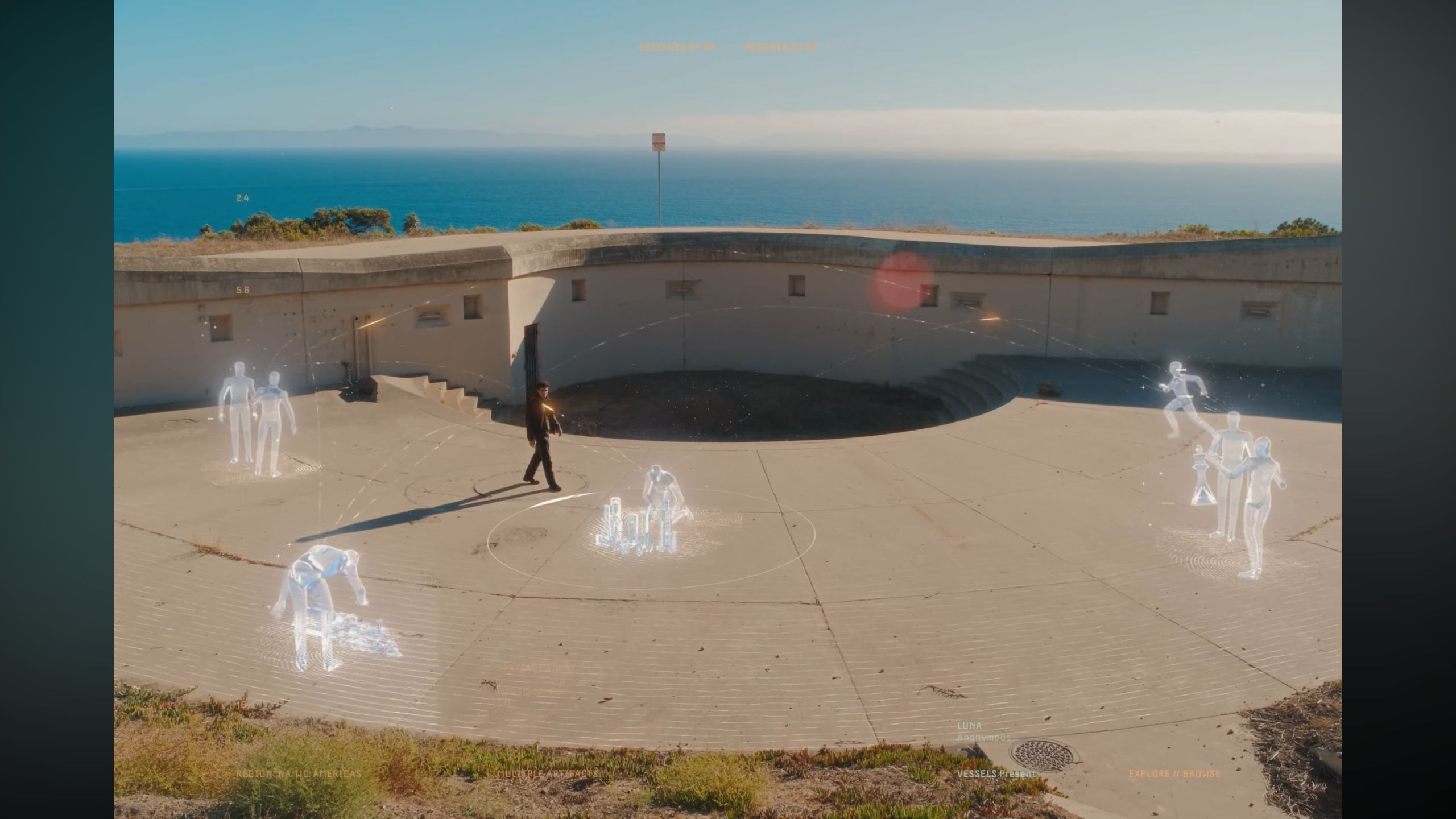
Kojima Productions and Niantic Spatial Forge New Frontier in Augmented Reality Gaming

📷 Image source: gamingbolt.com
A Landmark Collaboration Emerges
Visionary Game Developer Meets AR Pioneer
Kojima Productions, the renowned studio led by gaming auteur Hideo Kojima, has announced a strategic partnership with Niantic Spatial to develop a new augmented reality (AR) based project. This collaboration, revealed on September 23, 2025, brings together one of gaming's most innovative storytellers with the company that popularized location-based AR gaming through titles like Pokémon GO.
The partnership represents a significant move for both companies as they seek to push the boundaries of interactive entertainment. While specific details about the project remain undisclosed, the announcement signals Kojima Productions' first major foray into the AR space, leveraging Niantic's established technology platform that blends digital content with physical world environments.
The Visionaries Behind the Partnership
Hideo Kojima's Creative Legacy Meets Niantic's Technical Expertise
Hideo Kojima has built a reputation over decades for creating genre-defining experiences that blend complex narratives with innovative gameplay mechanics. From the Metal Gear Solid series to Death Stranding, Kojima has consistently pushed the medium forward, often incorporating cutting-edge technology and unconventional storytelling approaches. His studio's partnership with Niantic suggests a continuation of this forward-thinking philosophy.
Niantic Spatial brings to the table its Real World Platform, which powers immersive AR experiences by understanding physical spaces through advanced mapping and computer vision technologies. The company, originally spun off from Google, has demonstrated the mass-market potential of location-based gaming, creating social phenomena that encourage physical activity and real-world exploration through digital interactions.
The Evolving AR Gaming Landscape
From Niche Technology to Mainstream Entertainment
Augmented reality gaming has evolved significantly since its early iterations, transitioning from simple marker-based experiences to sophisticated location-aware applications. The technology overlays digital information onto the real world through smartphone cameras or specialized headsets, creating hybrid experiences that blend physical and virtual environments. This partnership arrives as AR technology reaches new levels of sophistication and accessibility.
The global AR gaming market has seen substantial growth, driven by improved mobile hardware capabilities and increasing developer interest. However, the space still faces challenges around user adoption beyond casual experiences, creating opportunities for premium content creators like Kojima Productions to elevate the medium with deeper narrative experiences and more engaging gameplay mechanics.
Technical Foundations of the Collaboration
Bridging Creative Vision with Spatial Computing
Niantic's Real World Platform provides the technical backbone for this collaboration, offering tools for mapping physical spaces, understanding environmental context, and managing persistent digital content anchored to real-world locations. This technology enables developers to create experiences that respond to a user's surroundings, potentially transforming ordinary urban landscapes into interactive game worlds. The platform's ability to recognize surfaces, objects, and spatial relationships could allow for novel gameplay mechanics that blend seamlessly with physical environments.
Kojima Productions will likely leverage these capabilities to create narrative-driven experiences that incorporate players' real-world contexts into the storytelling. The studio's history of breaking conventional gaming boundaries suggests they may explore new forms of player interaction that utilize physical movement, location-based discovery, and social connectivity in ways that previous AR games have not fully realized.
Potential Gameplay Innovations
Reimagining Player Interaction in Physical Space
The partnership could introduce gameplay mechanics that fundamentally rethink how players engage with both digital content and their physical surroundings. Unlike traditional video games confined to screens, AR experiences can transform parks, city streets, and public spaces into interactive playgrounds. Kojima's narrative expertise might manifest as environmental storytelling where locations gain significance based on their real-world characteristics, creating personalized experiences tied to players' daily routines and geographic contexts.
Social interaction represents another area for potential innovation. Niantic's existing games have demonstrated how shared AR experiences can foster community engagement and physical gatherings. Combining this social framework with Kojima's sophisticated storytelling could create compelling multiplayer dynamics where players' collective actions in the real world influence narrative outcomes, potentially bridging the gap between solitary gaming experiences and communal activities.
Industry Implications of the Partnership
Elevating AR Beyond Casual Gaming
This collaboration signals a maturation of the AR gaming sector, attracting established AAA developers to explore the medium's potential for complex, narrative-driven experiences. While previous AR successes have primarily focused on casual gaming markets, Kojima Productions' involvement suggests ambitions to create deeper, more substantial experiences that could appeal to core gaming audiences. This shift could encourage other premium developers to invest in AR technology, accelerating innovation in the space.
The partnership also represents a strategic move for Niantic as it seeks to diversify beyond its existing IP portfolio. By collaborating with respected creative visionaries, the company can demonstrate the versatility of its platform while attracting new audience segments. For Kojima Productions, the collaboration offers access to specialized AR expertise and an established distribution network for location-based experiences, potentially opening new creative possibilities beyond traditional game formats.
Challenges in AR Game Development
Technical and Design Considerations
Developing sophisticated AR experiences presents unique challenges that differ from traditional game development. Technical considerations include managing battery consumption, ensuring consistent performance across diverse mobile devices, and handling variable environmental conditions like lighting changes and GPS accuracy. These factors can significantly impact user experience, requiring specialized optimization approaches that balance visual quality with practical performance constraints.
Design challenges involve creating engaging experiences that account for physical safety, privacy concerns, and accessibility across different geographic and cultural contexts. AR games must navigate real-world regulations and social norms while ensuring that gameplay mechanics encourage responsible behavior in public spaces. The development team will need to address these considerations while maintaining the creative vision and narrative depth characteristic of Kojima's previous work.
Privacy and Ethical Considerations
Navigating Data Collection in Location-Based Experiences
Location-based AR games inherently involve collecting user data, including geographic location, movement patterns, and environmental information. This raises important privacy considerations that the development team must address through transparent data practices and robust security measures. Players increasingly expect clear communication about how their data is used and protected, particularly when games incorporate real-world contexts into the experience.
Ethical considerations extend to how games influence player behavior in physical spaces. Previous AR games have occasionally led to unintended consequences, such as congestion at popular locations or safety concerns when players become distracted in hazardous environments. The developers will need to implement design features that promote responsible play while still delivering engaging experiences, potentially setting new standards for ethical AR game design in the process.
Market Positioning and Audience Expectations
Bridging Core Gaming and Mobile Markets
The collaboration faces the challenge of appealing to both Kojima's established fanbase and the broader mobile gaming audience that Niantic typically reaches. Core gamers accustomed to Kojima's sophisticated narratives may have different expectations for gameplay depth and complexity than casual mobile users. Balancing these potentially divergent preferences will require careful design decisions that respect both audiences while introducing innovative elements that transcend traditional gaming categories.
Market positioning will also depend on the business model adopted for the project. While Niantic's previous games have utilized free-to-play models with in-app purchases, Kojima Productions has typically created premium experiences. The partnership may explore hybrid approaches that maintain accessibility while offering substantial content depth, potentially establishing new precedents for how narrative-driven AR experiences can be monetized and sustained long-term.
Future Implications for Interactive Media
Paving the Way for Next-Generation Experiences
This partnership could influence the broader trajectory of interactive media as technologies like AR glasses and spatial computing become more prevalent. Successful integration of sophisticated storytelling with immersive AR technology might demonstrate new possibilities for how narratives can unfold across physical and digital spaces, potentially inspiring other creators to explore similar approaches. The project's reception could signal market readiness for more ambitious AR experiences beyond current casual gaming paradigms.
As hardware capabilities advance, particularly with the anticipated growth of wearable AR devices, the foundations established by this collaboration could inform future developments in how games interact with physical environments. The partnership represents an early investment in what may become increasingly important as digital and physical realities continue to converge, potentially shaping how future generations experience entertainment, storytelling, and social interaction.
Development Timeline and Project Scope
What We Know About the Project's Progress
According to the announcement on gamingbolt.com dated September 23, 2025, the project appears to be in early development stages, with few specific details released about its scope, timeline, or specific gameplay features. The partnership announcement serves as an initial declaration of intent rather than a detailed product reveal, suggesting that substantial development work remains ahead. This approach is consistent with Kojima Productions' history of building anticipation through gradual reveals rather than comprehensive early disclosures.
The lack of specific release window information indicates that the development team is prioritizing quality and innovation over rushed timelines. Given the technical complexities of AR development and Kojima's reputation for meticulous creative direction, the project likely represents a significant long-term investment for both companies. Fans and industry observers should expect additional details to emerge gradually as development progresses, with the companies likely to share more information once they have concrete demonstrations of the experience's unique qualities.
Perspektif Pembaca
Shaping the Future of AR Gaming
What aspects of Hideo Kojima's storytelling style do you believe would translate most effectively to augmented reality gaming? Do you envision narrative-driven AR experiences becoming as impactful as traditional video games, or will the technical limitations of blending digital content with unpredictable real-world environments constrain creative possibilities?
How might location-based AR games evolve to create more meaningful social connections between players in physical spaces? Share your perspectives on whether these technologies will ultimately bring people together through shared experiences or contribute to further isolation through individualized digital overlays on reality.
#AugmentedReality #Gaming #KojimaProductions #Niantic #ARGaming #Technology


