

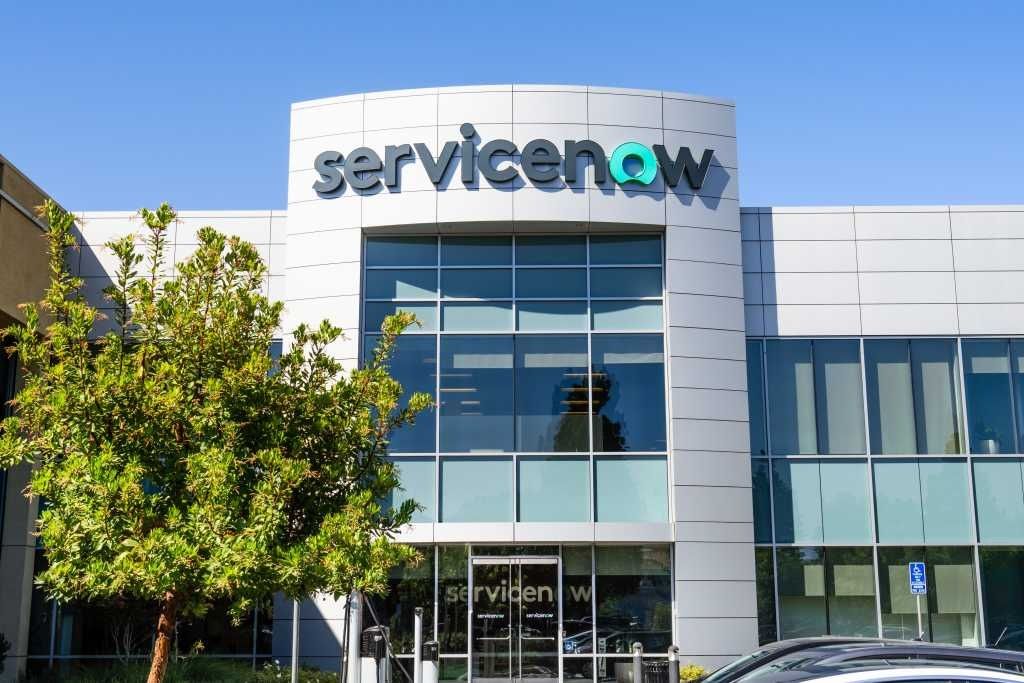
ServiceNow Deepens AI Bet with Strategic OpenAI Integration

📷 Image source: computerworld.com
A Strategic Alliance for Enterprise AI
ServiceNow partners with OpenAI to embed advanced models directly into its platform
In a significant move to bolster its artificial intelligence capabilities, ServiceNow has announced a new deal to embed OpenAI's models directly into its Now Platform. This partnership, reported by computerworld.com, aims to provide enterprises with more powerful and integrated AI tools for automating complex business workflows. The integration signifies a strategic deepening of ServiceNow's existing relationship with the AI research leader, moving beyond simple API calls to a more embedded, seamless experience.
For customers, this means the advanced language understanding and generation capabilities of models like GPT-4 will become a native component of the ServiceNow environment. The goal is to accelerate the creation of what ServiceNow calls 'domain-specific, generative AI capabilities' that can tackle industry-specific challenges in areas like IT service management, customer service, and human resources. This move is less about offering a generic chatbot and more about building AI that understands the intricate language and processes of enterprise operations.
Beyond the API: A New Level of Integration
Previous integrations between software vendors and AI model providers have largely relied on application programming interfaces (APIs). While functional, this approach can introduce latency, complexity in data handling, and challenges in maintaining a cohesive user experience. The ServiceNow and OpenAI deal, according to the report, seeks to transcend these limitations.
By embedding the models, ServiceNow intends to make the AI a core, indistinguishable part of its platform's fabric. This allows for tighter data governance, potentially lower latency in AI responses, and the ability to fine-tune models more directly on ServiceNow's own proprietary data and workflow patterns. The result should be AI agents and co-pilots that are more context-aware within the ServiceNow ecosystem, understanding not just human language but the specific data schema and process logic of the platform itself.
Focus on Domain-Specific Solutions
Tailoring generative AI for IT, customer service, and HR workflows
A key emphasis of the announcement is the development of 'domain-specific' solutions. Generative AI models, while powerful, are generalists. Their true value in an enterprise setting is unlocked when they are specialized. ServiceNow plans to leverage OpenAI's technology to build AI that excels in specific verticals.
For instance, an AI agent in the IT service management (ITSM) module could interpret a user's vague problem description, automatically query the configuration management database (CMDB), check for known errors, and draft a precise incident record—all in natural language. In human resources, it could guide an employee through a complex leave application by understanding policy documents and personal employment data. This focus moves the conversation from what the AI can say to what specific, tedious work it can reliably automate within a governed business process.
The Competitive Landscape of Platform AI
ServiceNow's strategic embedding of OpenAI models is a direct response to a fiercely competitive market. Other major enterprise software platforms, including Salesforce with its Einstein GPT and Microsoft with its Copilot system infused across Azure, Dynamics, and Office, are making similar bets. The race is on to provide the most intelligent, automated, and intuitive platform.
This partnership allows ServiceNow to leverage the cutting-edge language models from a recognized leader without having to build its own foundational model from scratch—a costly and research-intensive endeavor. Instead, ServiceNow can concentrate its R&D efforts on what it knows best: modeling enterprise workflows and creating the middleware that connects powerful AI to specific business tasks. The deal is a classic example of a platform company focusing on its core competency while integrating best-in-class components for other layers of the stack.
Addressing the Enterprise Imperatives: Trust and Governance
The report highlights that ServiceNow is not simply plugging in a raw AI model. A critical component of this initiative is the ServiceNow AI Control Framework. In an era where executives are cautious about data privacy, hallucination, and lack of audit trails, this framework is designed to provide the governance enterprises demand.
The framework likely encompasses tools for monitoring AI outputs, setting guardrails to prevent off-topic or insecure responses, and ensuring all AI-generated actions are logged and attributable. This is paramount for use cases in regulated industries. By offering these controls alongside the powerful OpenAI models, ServiceNow is selling not just capability but also compliance and risk mitigation. It answers the critical question for CIOs: 'How do we use this powerful technology safely and responsibly?'
The Roadmap for Developers and Customers
For developers building on the Now Platform, this integration promises to simplify the creation of AI-powered applications. Instead of managing separate API credentials and data pipelines to external AI services, the capabilities will be available as native platform services. This could significantly reduce development time for new AI-driven workflow automations and virtual agents.
For customers, the value proposition is one of accelerated time-to-value and deeper automation. The vision is that business analysts and process owners, with the help of AI, could design and iterate on complex automations using natural language prompts, reducing the dependency on specialized coding skills for every new workflow. The embedded models aim to make AI a more accessible tool for innovation within the enterprise, not just a feature reserved for the IT department.
Implications for the Future of Work
This development is a concrete step toward the 'AI-augmented' enterprise. The narrative is shifting from AI as a job replacer to AI as a fundamental component of business software that augments human workers. On the ServiceNow platform, this could mean service desk agents resolving tier-1 tickets faster with AI summaries, HR personnel onboarding new hires with personalized AI guides, or developers receiving AI-generated code snippets for common platform integrations.
The long-term implication is a gradual but profound change in how work is done. Routine information retrieval, data entry, initial draft creation, and process routing—tasks that consume significant portions of knowledge workers' days—could be handled by AI co-pilots. This frees human employees to focus on higher-value activities like exception handling, strategic planning, and complex problem-solving that require emotional intelligence and deep expertise.
A Calculated Step in ServiceNow's AI Journey
The embedding of OpenAI models is not ServiceNow's first foray into AI; the company has been building machine learning into its platform for years under the Now Intelligence banner. This deal, however, represents a major acceleration, specifically in the generative AI domain. It acknowledges the transformative potential of large language models while applying ServiceNow's longstanding philosophy of delivering technology through a governed, workflow-centric platform.
The success of this integration will ultimately be measured by the tangible business outcomes it delivers to customers. Can it measurably reduce resolution times in IT? Can it improve employee satisfaction scores in HR services? The partnership sets the technical foundation, but the real story will be written by enterprises as they deploy these new capabilities. According to computerworld.com on 2026-01-21T07:05:35+00:00, this strategic move firmly positions ServiceNow as a major contender in the race to define the future of intelligent enterprise operations.
#ServiceNow #OpenAI #AI #EnterpriseAI #Automation


