

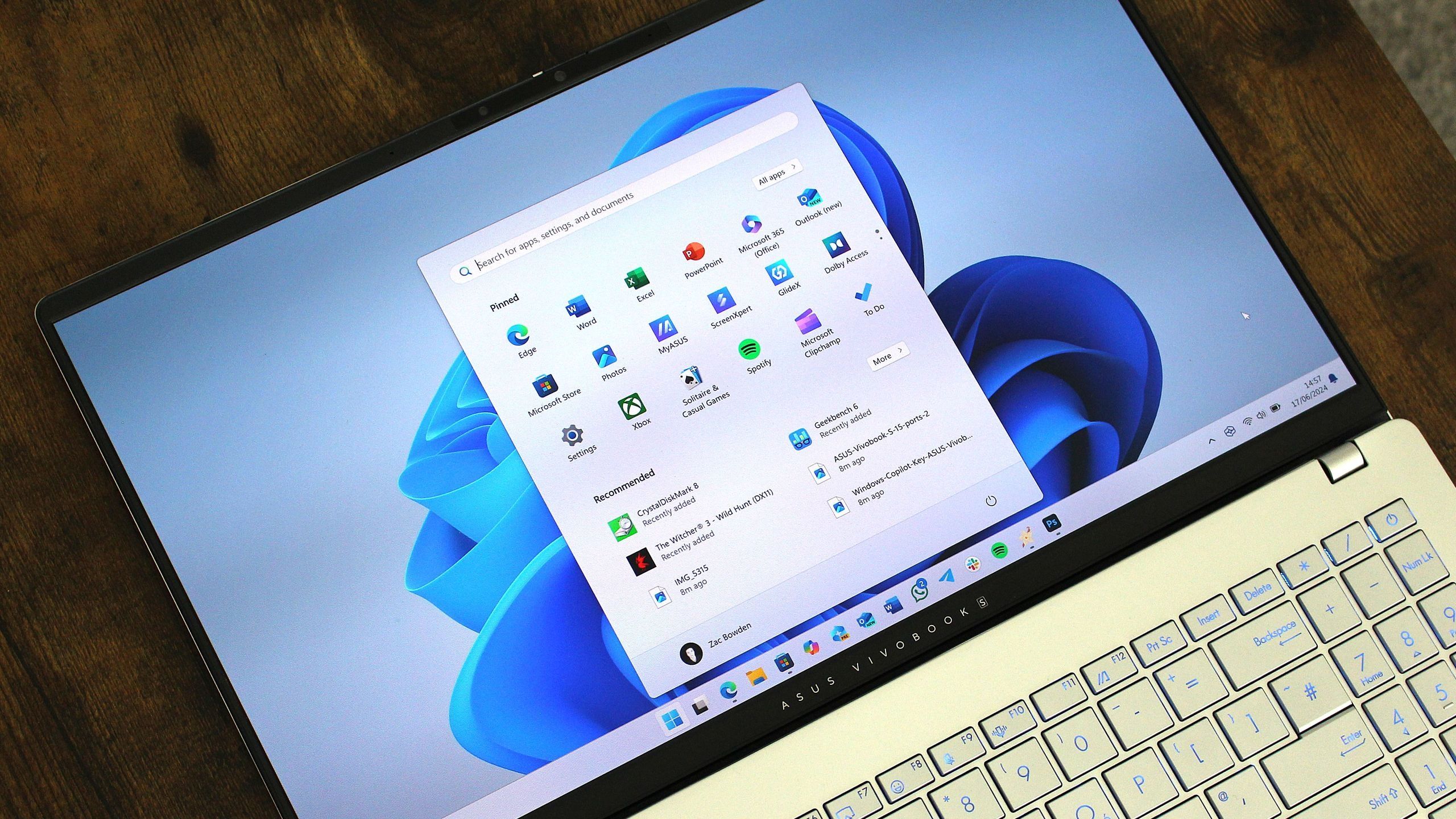
Microsoft Rushes Emergency Fix for Windows 11 After Security Patches Cripple PC Shutdowns and Logins

📷 Image source: cdn.mos.cms.futurecdn.net
A Patchwork Problem
How a routine security update spiraled into a system-breaking crisis
Microsoft has been compelled to release an emergency, out-of-band update for Windows 11, scrambling to fix critical bugs introduced by its own recent security patches. According to windowscentral.com, the problematic updates, specifically KB5046617 and KB5046691, were part of the company's regular Patch Tuesday rollout earlier this month. These updates, intended to bolster system security, instead triggered widespread reports of PCs failing to shut down or restart properly, while other users found themselves completely locked out of their accounts during sign-in.
The situation forced Microsoft to take the unusual step of issuing a fix outside its normal monthly schedule, underscoring the severity of the disruptions. The emergency update, labeled KB5049926, is now available for manual installation via the Microsoft Update Catalog and is expected to be pushed through Windows Update soon. For countless users, the fix can't come soon enough, as a fundamental function of their computers—turning them off—was rendered inoperable by the very software meant to protect them.
The Anatomy of a Shutdown Failure
So, what exactly went wrong? The report from windowscentral.com details that the flawed patches caused a specific and frustrating failure sequence. When a user attempted to shut down or restart their PC, the system would appear to begin the process but then hang indefinitely. The screen would go black, yet the machine's fans and power would remain active, leaving it in a limbo state between on and off.
This wasn't a simple delay; it was a full stall. The only resolution for affected users was to force a hard shutdown by holding the physical power button, a method that risks data corruption and is a last resort for any PC owner. The bug transformed a routine, one-click action into a manual hardware intervention, breaking a core tenet of predictable computing.
Sign-In Snafus and Account Lockouts
A secondary wave of login troubles compounds user frustration
While the shutdown bug was disruptive, a parallel issue proved even more alarming for some. The same set of patches triggered sign-in failures for certain users. According to the report, individuals attempting to log into their Windows accounts were met with error messages and an inability to access their desktops.
This created a more acute crisis, effectively bricking the usability of the PC until a workaround or fix was found. The combination of these two flaws—being unable to reliably turn off the machine and potentially being locked out of it—represented a perfect storm of system instability stemming from what should have been a routine maintenance update.
Microsoft's Response and the Out-of-Band Update
Faced with escalating user reports, Microsoft's Windows team moved quickly to diagnose and address the problems. The resulting emergency update, KB5049926, is classified as an out-of-band release. This term refers to a patch delivered outside the standard monthly cadence, reserved for addressing critical issues that cannot wait for the next scheduled update cycle.
The fact that Microsoft deployed this measure highlights how the shutdown and sign-in bugs were deemed severe enough to bypass the normal timeline. According to windowscentral.com, the company has confirmed the update resolves the known issues impacting shutdown, restart, and sign-in. The fix is currently available for users running Windows 11 versions 23H2 and 22H2.
A Recurring Theme of Patch Tuesday Fallout
For IT administrators and keen observers of Microsoft's update process, this incident feels familiar. Patch Tuesday, while essential for security, has a historical precedent of occasionally introducing new bugs while squashing others. These "update gone wrong" scenarios erode user trust and complicate the calculus for sysadmins who must weigh the urgency of security fixes against the potential for operational disruption.
This event raises pointed questions about the breadth and depth of Microsoft's testing protocols before these cumulative updates are unleashed on hundreds of millions of devices. When a patch breaks something as fundamental as the shutdown sequence, it suggests a gap in testing real-world user workflows beyond core security functionality.
Navigating the Immediate Fix and Best Practices
For users currently experiencing these issues, the path forward involves manually obtaining the emergency patch. The KB5049926 update can be downloaded directly from the Microsoft Update Catalog website. Users need to search for the KB number, select the correct version matching their system architecture (e.g., x64), and run the standalone installer.
As a general rule, this incident serves as a reminder of the value of having a known-good system restore point or backup image created before applying major updates. While not everyone has the time or resources for this, it remains the most robust defense against an update that renders a system unusable, allowing for a rollback to a stable state while waiting for an official fix.
The Broader Impact on Enterprise and Consumer Trust
The ramifications of such a widespread functional breakdown extend beyond personal inconvenience. In enterprise environments, automated update deployments could have suddenly left a fleet of computers in an unstable state, disrupting workflows and requiring manual IT intervention. The inability to reliably restart machines can also hinder the deployment of other critical software or security updates that require a reboot to complete.
On the consumer side, each incident of this nature chips away at the perceived reliability of the Windows ecosystem. Users expect their operating system to handle basic tasks without fail. When a mandated security update becomes the vector for failure, it creates a dissonance that may lead some to delay future updates, ironically exposing them to the very security risks the patches are meant to address.
Looking Ahead: Pressure on Microsoft's Update Assurance
The release of emergency update KB5049926 will resolve the immediate technical fires, but the episode is likely to intensify scrutiny on Microsoft's Windows servicing model. There is an inherent tension between the need for rapid security response and the imperative of system stability.
Will this event prompt a reevaluation of how cumulative updates are tested, particularly for high-frequency user interactions like shutdown and sign-in? Microsoft has not commented publicly beyond the update notes, but the forced out-of-band response is a clear signal, reported by windowscentral.com on 2026-01-18T13:12:05+00:00, that the balance may need adjustment. For now, users are advised to apply the latest fix and hope that the next Patch Tuesday brings only the intended protections, without the paralyzing side effects.
#Windows11 #Microsoft #SecurityUpdate #TechNews #PCProblems


