

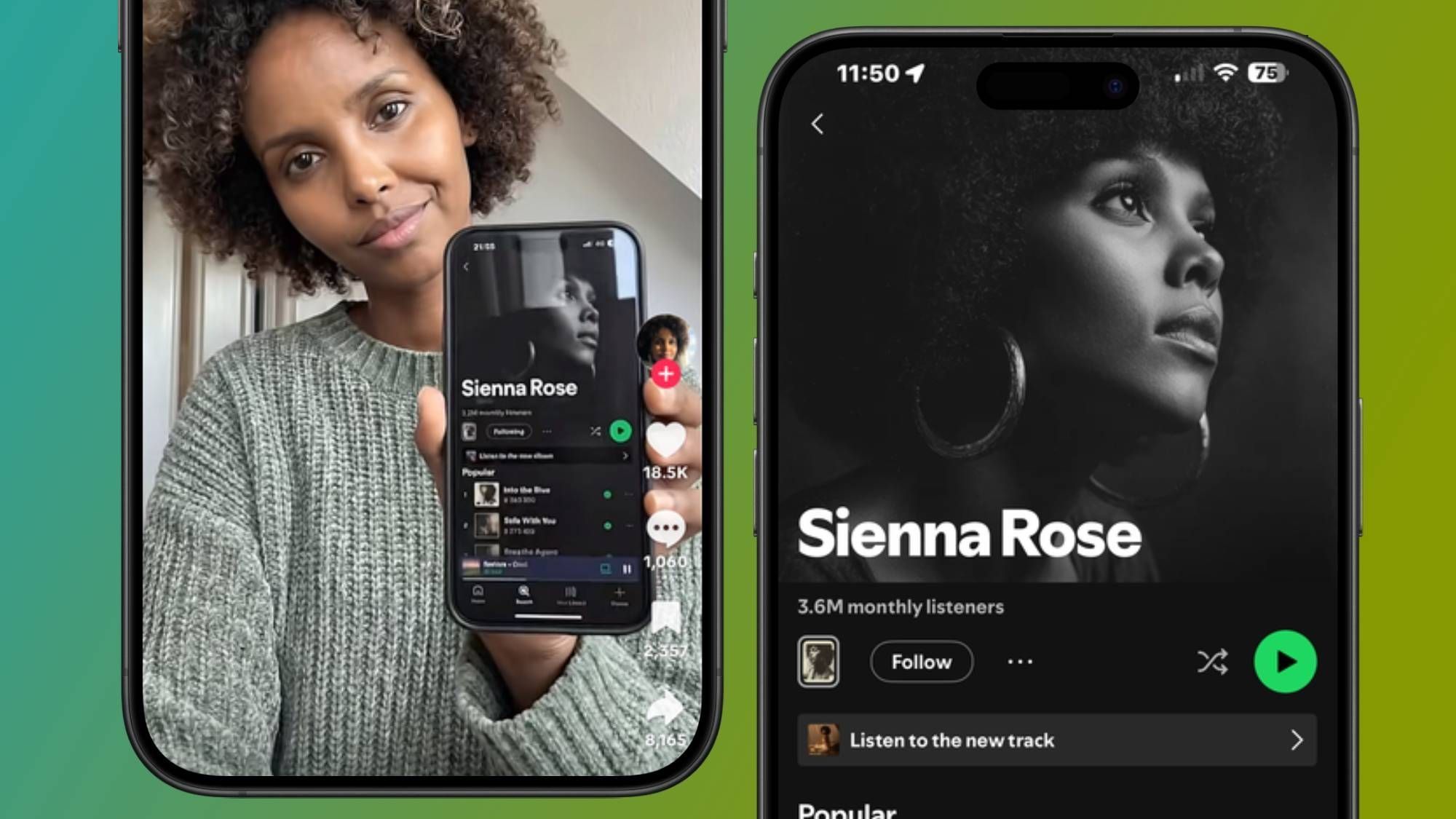
Deezer Exposes AI-Generated Artist 'Sienna Rose' Amid Millions of Spotify Streams

📷 Image source: cdn.mos.cms.futurecdn.net
The Viral Singer Who Isn't Real
Deezer's AI detection flags a streaming phenomenon
A singer named Sienna Rose has amassed millions of streams on platforms like Spotify, capturing listeners with a series of pop tracks. However, according to a report from techradar.com, the artist behind these viral songs is not a human being. Music streaming service Deezer has identified the profile as an AI-generated fake, raising immediate questions about transparency and artist fairness in the digital music ecosystem.
Deezer's stance is clear. 'We think it’s vitally important to be transparent with listeners and fair to artists,' a company spokesperson told techradar.com. This discovery places a spotlight on the growing challenge platforms face as artificially generated content becomes increasingly sophisticated and difficult to distinguish from human-created work.
How Deezer's Detection Systems Work
The technical fight against synthetic media
Deezer did not simply guess. The identification was made using the company's proprietary AI detection technology. This system analyses uploaded audio files for specific markers and patterns that are indicative of artificial generation. While the exact technical parameters are proprietary, such systems often look for inconsistencies in vocal modulation, breath patterns, and sonic artifacts that are atypical of a human recording.
The detection forms part of Deezer's broader 'Artist Fingerprint' initiative, launched in late 2023. According to techradar.com, this project is specifically designed to distinguish between human-made music and AI-generated audio. The goal is to tag content accordingly, ensuring listeners know what they are hearing and that royalty payments are correctly distributed to legitimate artists.
The Scale of the Sienna Rose Phenomenon
Millions of streams for a non-existent persona
The case of Sienna Rose is not a minor anomaly. The profile garnered millions of streams, a level of engagement that typically signifies a breakthrough artist. This scale demonstrates how effectively AI-generated music can integrate into mainstream streaming platforms and algorithmically curated playlists, potentially diverting listener attention and royalty revenue away from human creators.
This volume of streams also implies a significant financial impact. Royalty payments, however small per stream, accumulate into substantial sums over millions of plays. If these funds are being directed to the operators of an AI project rather than to performing artists, it represents a direct economic displacement within the industry.
Broader Industry Implications and Reactions
A wake-up call for streaming platforms
Deezer's public statement is a direct challenge to the industry's status quo. By calling out a specific, high-streaming example, they are highlighting what many see as an inevitable flood of AI content. Other major platforms like Spotify and Apple Music have been more reserved in their public approaches, often focusing on tool creation for artists rather than explicit listener-facing labeling.
The reaction from the music community is likely to be one of validation for Deezer's stance. Many artists and rights holders have expressed concern that AI-generated music could saturate markets, dilute cultural value, and complicate royalty systems. Deezer's action provides a concrete example of the problem and proposes a concrete solution: detection and transparency.
The Ethical Imperative of Transparency
Why labeling matters for listeners and creators
Deezer's argument centers on two core ethical principles: fairness and transparency. For listeners, the issue is about informed choice. Should someone enjoying a melancholic pop ballad have the right to know if the voice expressing emotion was synthesized by an algorithm? Deezer believes they should.
For artists, the principle is one of economic and creative fairness. Human artists invest time, money, and personal experience into their craft. When AI-generated tracks compete directly without disclosure, it creates an uneven playing field. Labeling AI content allows the market to decide its value while ensuring human artistry is recognized for what it is.
The Challenge of Evolving AI Technology
Staying ahead of the synthesis curve
A critical question is whether detection technology can keep pace with generation technology. AI music tools are improving rapidly, producing outputs that are ever more convincing. The markers that Deezer's systems use today may become obsolete as generative models learn to eliminate their own tell-tale signs.
This sets up a potential technological arms race. Streaming platforms may need to continuously invest in and update their detection algorithms to maintain integrity. The long-term viability of a 'labeling' solution depends entirely on the accuracy of these systems and their ability to adapt to new generative techniques.
Potential Impact on Royalty Distribution Models
Rethinking payment in the age of synthetic performers
The Sienna Rose case forces a practical business question: who gets paid? Currently, royalties flow to the rights holder of a track, which could be an individual using AI tools. However, if the 'artist' is a fabrication, the traditional model of supporting a career and funding future work is broken.
Some industry debates are now exploring tiered royalty systems or different payment pools for AI-assisted versus fully AI-generated content. Deezer's detection initiative is a foundational step for any such restructuring. Accurate identification is prerequisite to designing a fair economic model that supports human creativity without stifling technological innovation.
The Path Forward for Music Streaming
Balancing innovation with integrity
Deezer's exposure of Sienna Rose is more than an isolated incident; it's a policy statement. The company is advocating for a regulated approach to AI within music streaming, where transparency is non-negotiable. This could pressure other platforms to adopt similar measures or develop industry-wide standards.
The ultimate test will be user and artist response. Will listeners care if a song is AI-generated if they enjoy it? Will artists flock to platforms that guarantee clearer labeling? The answers will shape the next era of digital music. As reported by techradar.com on 2026-01-23T13:10:23+00:00, Deezer has drawn a clear line, asserting that in the pursuit of innovation, fairness and honesty must not be left behind.
#AI #Deezer #Spotify #MusikDigital #TeknologiMusik


