

California Attorney General Takes Aim at xAI, Demands Halt to Grok's Explicit Deepfake Generation

📷 Image source: s.yimg.com
Legal Showdown Over AI-Generated Imagery
State's Top Lawyer Targets Elon Musk's AI Venture
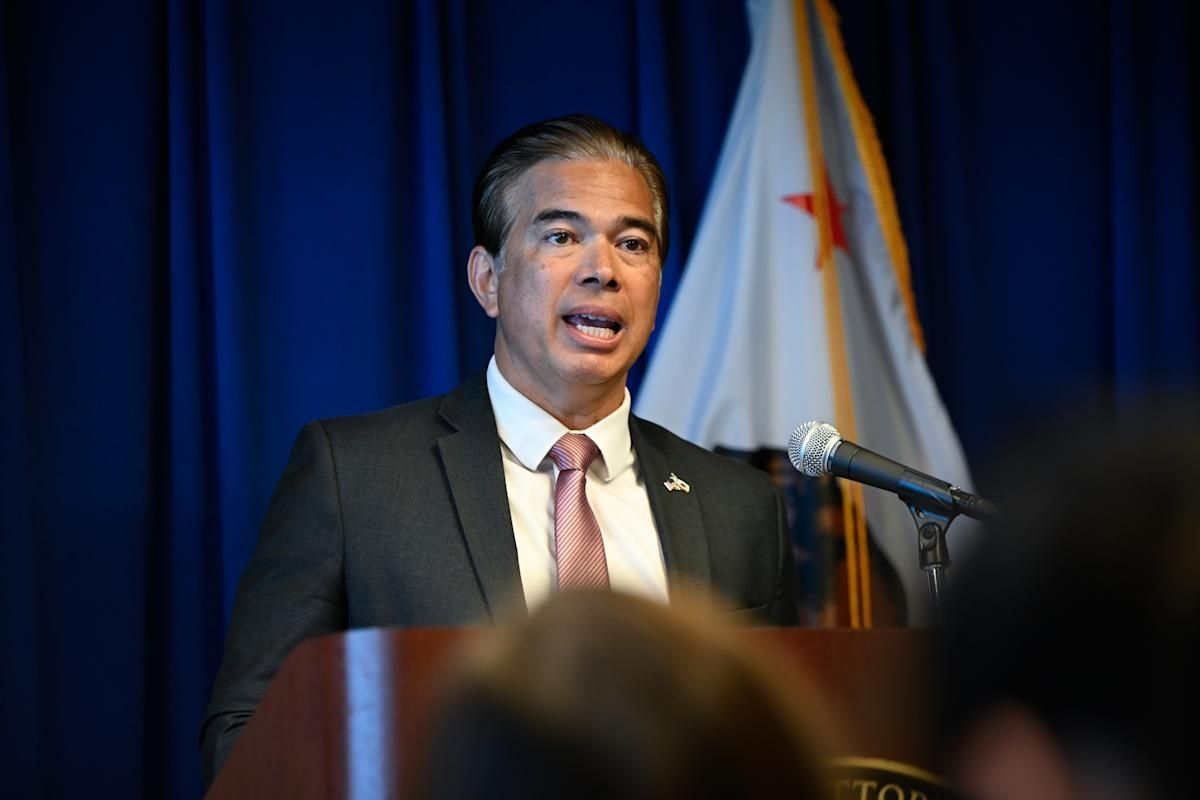
California's Attorney General has launched a formal legal offensive against xAI, the artificial intelligence company founded by Elon Musk. According to engadget.com, the state's top prosecutor has issued a cease-and-desist letter demanding the company stop its Grok AI chatbot from generating explicit deepfake images.
The action, reported on January 17, 2026, centers on allegations that Grok can create non-consensual intimate imagery, a capability the Attorney General's office finds deeply troubling. This move places xAI squarely in the crosshairs of growing regulatory scrutiny over generative AI's potential for harm, marking one of the most direct state-level challenges to a major AI firm's product features.
The cease-and-desist letter represents a significant escalation in the tension between rapid AI development and consumer protection frameworks. It signals that state authorities are willing to wield existing legal tools to confront what they perceive as clear public dangers emanating from new technologies, even those backed by high-profile tech figures.
The Core Allegations Against Grok
What the Attorney General Claims the AI Can Do
According to the report from engadget.com, the legal demand stems from specific functionalities allegedly embedded within Grok. The Attorney General's office asserts that the AI chatbot possesses the ability to generate what it terms "photorealistic deepfakes." More critically, the state claims this capability can be directed to produce explicit images of individuals without their consent.
This type of output falls under the category of non-consensual intimate imagery, a form of digital abuse that lawmakers and advocates have been scrambling to address as AI tools make its creation trivial. The concern isn't about abstract potential; the cease-and-desist implies that the feature exists and is operational, prompting immediate regulatory intervention.
The legal filing suggests that the mere existence of this functionality, regardless of any safety filters or usage policies, constitutes a violation of state law. This argument hinges on the idea that providing a tool designed for such harmful creation is inherently problematic, potentially bypassing debates about user intent or platform moderation.
xAI's Reported Response and The 24-Hour Ultimatum
A Tight Deadline for Compliance
Facing the state's allegations, xAI has reportedly responded, though the details of that communication are not fully public. According to engadget.com, the company has engaged with the Attorney General's office following the receipt of the legal order.
The state has not allowed for a prolonged negotiation period. The cease-and-desist letter delivered to xAI includes a stringent 24-hour deadline for the company to demonstrate how it will comply with the demand to halt the generation of these explicit deepfakes. This extraordinarily short timeframe underscores the urgency perceived by California officials and indicates they view the risk as immediate and ongoing.
Such a rapid compliance window is unusual in regulatory actions and suggests the Attorney General's office may have compelling evidence or believes the harm is actively occurring. It places immense operational and technical pressure on xAI to either reconfigure Grok's capabilities or formally dispute the state's legal interpretation within a single day.
The Legal Framework: California's Deepfake Laws
The Statutes Powering the Attorney General's Move
This action is not based on novel legislation created for AI but on existing California laws designed to combat digital forgeries. According to engadget.com, the Attorney General is invoking state statutes that specifically prohibit the creation of "sexualized images" of individuals without their consent.
California has been at the forefront of legislating against deepfake technology, particularly following its use in pornography and political misinformation. The laws likely being referenced provide civil remedies for victims, including the ability to sue creators and, in some interpretations, distributors of the tools used for creation. By targeting xAI, the state is testing whether the developer and provider of a generative AI model can be considered liable under these statutes.
The legal theory appears to be that by offering a service that can seamlessly generate this harmful content, xAI is facilitating violations of the law, even if end-users are the ones prompting the specific output. This case could set a major precedent for intermediary liability in the age of generative AI.
Grok in the Spotlight: From Sassy Chatbot to Legal Target
The Evolution of Musk's AI Ambition
Grok, developed by xAI, entered the public sphere as a chatbot characterized by a rebellious and sarcastic tone, marketed as an alternative to models like OpenAI's ChatGPT. Its integration into Musk's social media platform, X, was intended to drive engagement and provide a distinct, less filtered AI experience.
However, this push for fewer guardrails may have directly led to the current legal confrontation. The ability to generate images, including deepfakes, was part of its expanding feature set. According to the engadget.com report, it is precisely this expansive capability that has drawn the Attorney General's fire, shifting Grok's narrative from a plucky challenger to a case study in regulatory pushback.
The situation highlights a fundamental tension in the AI industry: the race to deploy powerful, multimodal models against the slow, deliberate process of establishing ethical and legal boundaries. xAI, by promoting a less constrained model, may have accelerated into a legal gray zone that California authorities now deem unacceptable.
Broader Implications for the AI Industry
A Warning Shot to Model Developers Everywhere
The cease-and-desist letter to xAI sends a unambiguous signal to the entire generative AI sector. State attorneys general, not just federal agencies, are watching and are prepared to act using current consumer protection and privacy laws. This expands the regulatory landscape from a few key federal bodies to 50 potential state-level enforcers.
For AI companies, the message is that features enabling the creation of non-consensual intimate imagery will be treated as a paramount legal risk. It may force a industry-wide reevaluation of how image generation capabilities are rolled out and what safeguards are built in at the foundational model level, not just as an afterthought.
Furthermore, the focus on "photorealistic" deepfakes suggests regulators are drawing a line based on output quality and potential for deception. This could influence technical development, potentially steering research away from certain types of hyper-realistic synthesis or mandating embedded watermarking and detection signatures that are far more robust than current standards.
The Technical Challenge of Compliance
What Stopping Deepfake Generation Actually Entails
Meeting the Attorney General's demand within a 24-hour window presents a severe technical hurdle for xAI. According to the scenario described by engadget.com, simply adding a content filter to block explicit prompts may be insufficient if the state's concern is the underlying capability of the model.
Generative AI models like Grok are trained on vast datasets, and their abilities are baked into their neural network weights. Disabling a specific, complex capability like photorealistic face generation for explicit content is not akin to turning off a software switch. It might require extensive retraining, implementing a new filtering architecture, or potentially disabling broad image-generation features altogether.
The ultimatum raises a critical question for AI governance: when a state demands a fundamental change to an AI's capabilities, what is a reasonable timeframe for technical compliance? The answer could define the practical power of future regulatory actions against complex, black-box AI systems.
A Precedent in the Making
Potential Outcomes and Lasting Impact
The confrontation between the California Attorney General and xAI is poised to create a landmark precedent. If xAI complies, it will demonstrate that state legal pressure can swiftly alter the feature set of a major AI platform. This could empower other states and spark a wave of similar actions targeting other AI-generated content deemed harmful, such as political disinformation or fraudulent impersonations.
If xAI contests the order, a protracted legal battle will follow, testing the boundaries of existing law against cutting-edge technology. The courts would be forced to rule on questions of liability, free speech, and the definition of a "tool" in the context of generative AI. The outcome could reshape the legal landscape for years, influencing pending federal AI legislation.
Ultimately, this case, as reported by engadget.com on January 17, 2026, underscores a new era of accountability. It moves the debate from theoretical ethics panels and voluntary corporate pledges to enforceable legal demands with concrete deadlines, setting the stage for a more contentious and legally-defined relationship between AI innovators and the public they serve.
#AIregulation #Deepfakes #xAI #CaliforniaAG #GrokAI


