

AMD's ROCm Evolution: From Niche Platform to AI Development Powerhouse

📷 Image source: cdn.mos.cms.futurecdn.net
A Platform Transformed
How AMD's software stack underwent a radical overhaul
At CES 2026, AMD executives presented a stark assessment of their own technology's journey. According to a transcript from a press Q&A roundtable published by tomshardware.com, the company stated that the ROCm software platform from just a few years ago is 'completely unrecognizable' compared to its current iteration. This admission underscores a period of intense, behind-the-scenes development aimed at making AMD hardware a more viable contender in the competitive artificial intelligence space.
The transformation wasn't merely about adding new features; it was a foundational shift. The company detailed its efforts to break down barriers that have historically made AI development more challenging on its hardware compared to rivals. The goal, as articulated in the session, is to create a more accessible and powerful ecosystem for developers building the next generation of AI applications.
The Core Mission: Democratizing AI Development
The central theme emerging from the CES discussion was accessibility. AMD's strategy with the modern ROCm platform is to lower the entry threshold for researchers, data scientists, and engineers. The company recognizes that complexity in software toolchains can stifle innovation and limit hardware adoption. By streamlining the process, AMD aims to attract a broader developer base to its Instinct accelerators and Radeon GPUs.
This involves more than just providing the necessary drivers. The roundtable highlighted a holistic approach encompassing frameworks, libraries, and system-level optimizations. The intent is to ensure that developers can focus on building their AI models rather than wrestling with intricate hardware compatibility issues or performance tuning at a low level.
Architectural Shifts and Software Synergy
Aligning silicon design with developer needs
A key insight from the transcript is how hardware and software development have become increasingly intertwined at AMD. The company suggested that the lessons learned from ROCm's evolution are directly influencing future silicon design. This feedback loop is critical for creating processors that are not only powerful in raw specifications but are also inherently easier to program for complex workloads like machine learning training and inference.
The discussion pointed to specific improvements in areas like memory management, multi-GPU communication, and compiler efficiency. By refining these components within ROCm, AMD is effectively raising the performance floor for its hardware, ensuring that more developers can achieve competitive results without requiring deep, expert-level knowledge of the underlying architecture.
The Competitive Landscape and Open-Source Ethos
AMD's aggressive push with ROCm is a direct challenge to the established software ecosystems of its competitors. The roundtable positioned ROCm's openness and commitment to open-source standards as a distinct advantage. The argument is that a transparent, community-driven platform can evolve more rapidly and address niche developer needs more effectively than closed alternatives.
However, the transcript also acknowledges the reality of existing market dynamics. Many AI projects and research papers are built on frameworks that were originally optimized for other hardware. A significant portion of AMD's work, therefore, involves ensuring excellent compatibility and performance with industry-standard tools like PyTorch and TensorFlow, reducing the friction for developers who wish to switch or support multiple hardware backends.
Beyond Gaming: Capturing the Data Center and Researcher Mindshare
While Radeon gaming GPUs can leverage ROCm, the platform's primary battlefield is in data centers and research institutions. These environments demand stability, scalability, and robust support for enterprise-grade deployments. The CES 2026 dialogue detailed AMD's efforts to strengthen ROCm's position in these sectors by enhancing features critical for cluster management, cloud deployment, and large-scale model training.
The company is targeting not just the deployment of massive, monolithic models but also the burgeoning field of edge AI and smaller, specialized models. This requires a software stack that is equally adept at handling distributed computing across hundreds of accelerators and fine-tuning a model on a single workstation, a versatility that the modern ROCm platform is being engineered to provide.
Developer Outreach and Ecosystem Building
Fostering a community around the platform
Technical capability is only one half of the equation. AMD used the roundtable to emphasize its ongoing initiatives to engage directly with the developer community. This includes expanded documentation, more sample code and tutorials, and direct channels for feedback and support. The company understands that a thriving third-party ecosystem is essential for long-term success.
These efforts are designed to create a virtuous cycle: better tools and support attract more developers, whose work and feedback lead to further platform improvements. Breaking down barriers, as stated in the transcript, is as much about human factors and perception as it is about lines of code.
Performance Claims and Real-World Validation
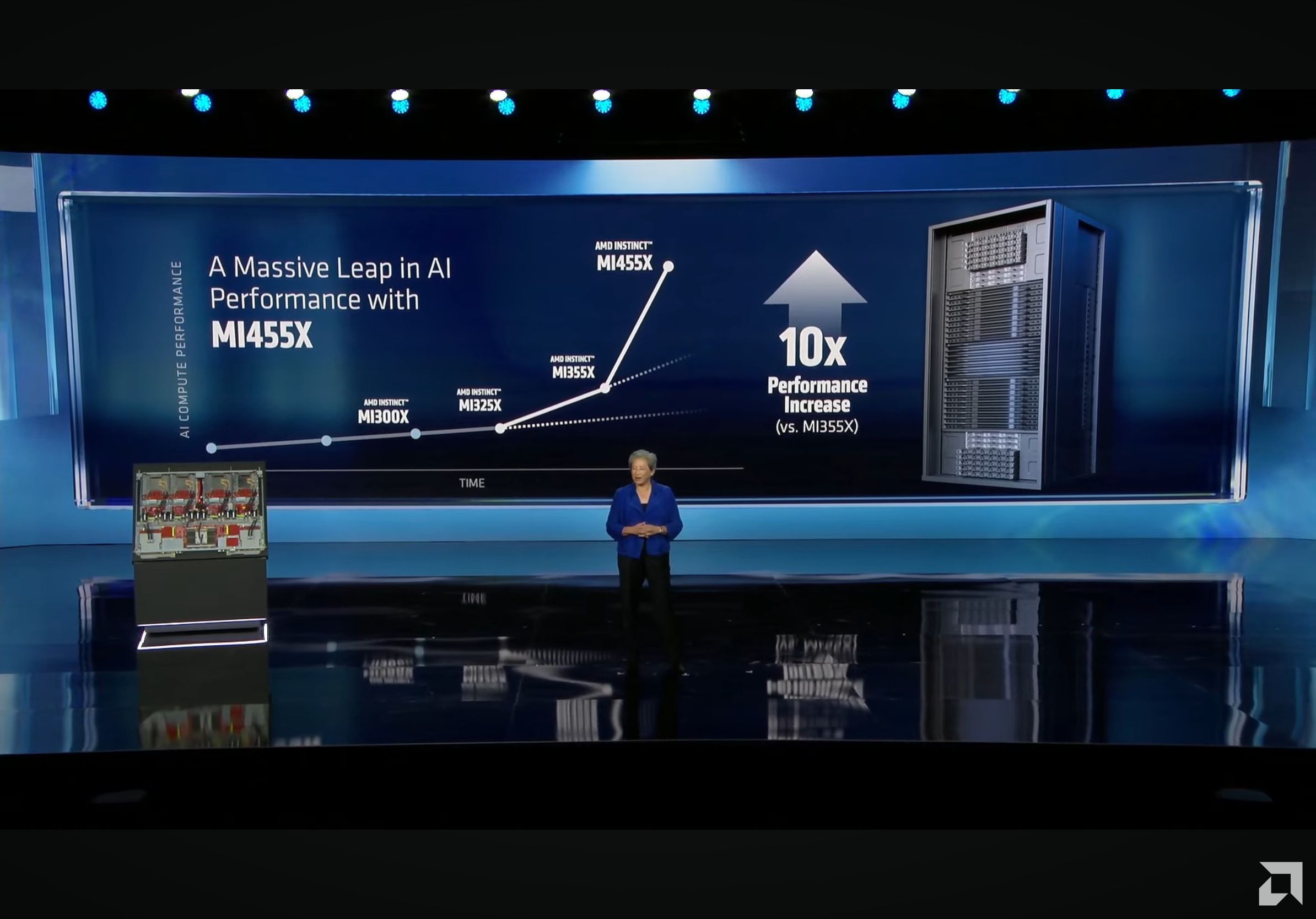
The transcript from tomshardware.com indicates that AMD is now more confident in making direct performance comparisons. While specific benchmark figures from the CES session were not detailed in the provided source, the overarching message was one of dramatic generational improvement. The company's narrative asserts that the performance-per-dollar and performance-per-watt of its hardware, when coupled with the matured ROCm stack, present a compelling alternative.
The true test, as acknowledged, will be widespread adoption and validation in peer-reviewed research and commercial AI products. AMD's challenge is to convert its internal confidence and demonstrated improvements into tangible market share gains in a sector where software inertia is a powerful force.
The Road Ahead for ROCm and AI Acceleration
Looking forward, the CES 2026 roundtable painted a picture of continuous, rapid iteration. The transformation from the 'unrecognizable' platform of 2023 is not the end point but a milestone. AMD signaled that investment in ROCm will remain a top priority, with a roadmap focused on deeper AI framework integration, support for emerging model architectures, and further simplification of the developer experience.
The ultimate goal is to make the choice of hardware a matter of performance and efficiency, not software availability or ease of use. If AMD succeeds in its mission to dismantle these barriers, the AI accelerator market could become far more competitive, potentially driving innovation and lowering costs across the entire industry. The evolution of ROCm, as detailed in this frank discussion, is a central pillar in that strategic ambition.
Source: tomshardware.com, 2026-01-22T11:29:21+00:00
#AMD #ROCm #AI #CES2026 #Hardware


