

A Floppy Disk Drive Becomes a Toddler's Smart TV Remote: Nostalgic Tech Meets Modern Parenting

📷 Image source: cdn.mos.cms.futurecdn.net
From Retro Storage to Toddler-Friendly Remote
A Maker's Ingenious Solution for Screen Time
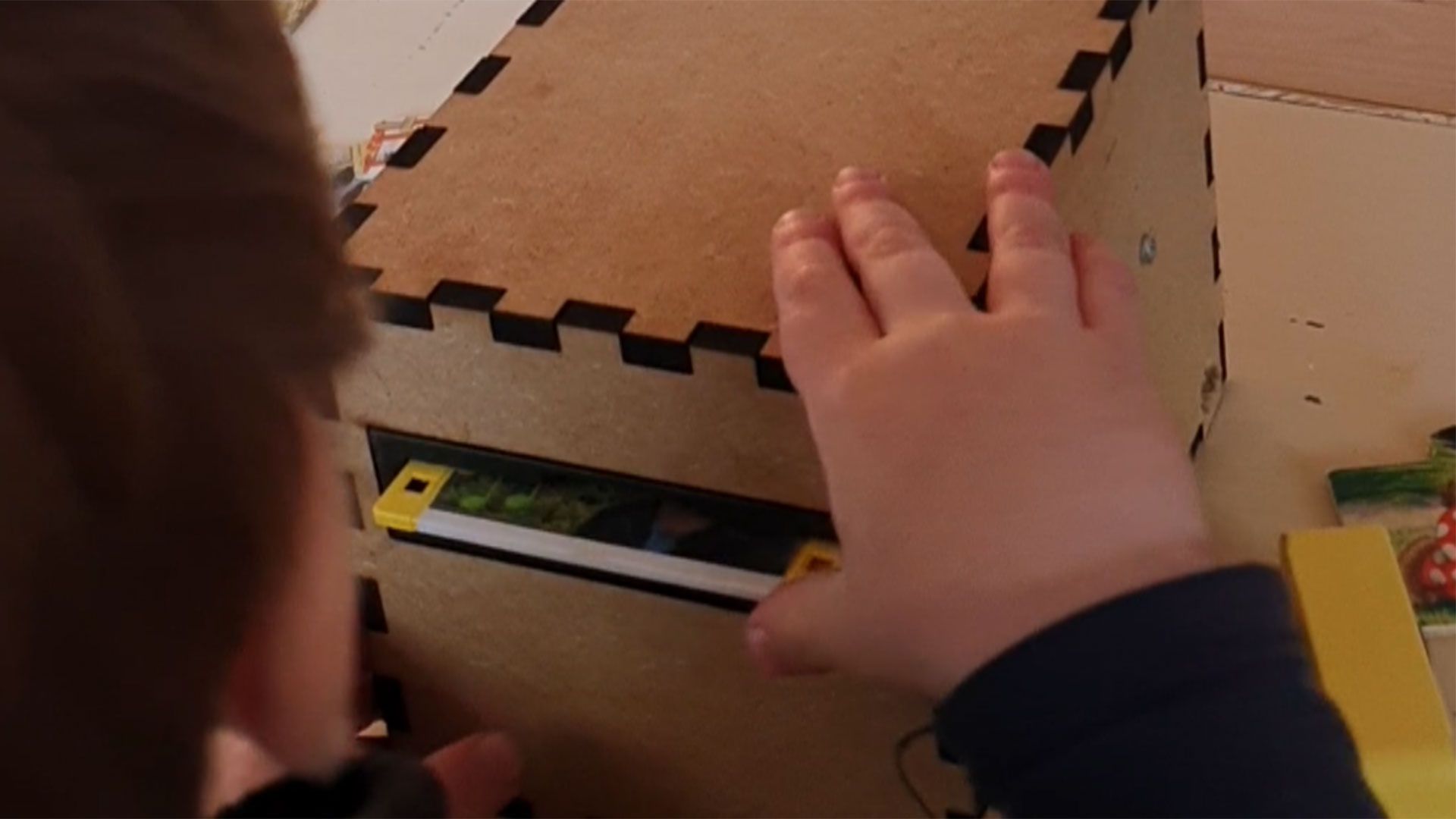
In a clever fusion of retro computing and modern convenience, a developer has transformed an old 3.5-inch floppy disk drive into a unique smart TV remote for his young child. The project, detailed by tomshardware.com, replaces a standard, button-laden remote with a system where the toddler simply inserts vividly labeled floppy disks to select and watch his favorite television shows.
The core idea is elegantly simple. According to the report, each floppy disk is assigned to a specific show or streaming service. When the child inserts a disk into the drive, custom software reads the disk's identifier and uses an infrared (IR) blaster to send the corresponding commands to the smart TV. This could mean launching Netflix, Disney+, or directly playing a particular series, all triggered by the physical act of inserting the vintage media.
The Technical Heart of the Build
Microcontrollers and Infrared Signals
The conversion hinges on readily available maker hardware. The developer, known as 'Nekoweb1' on social media, utilized a Raspberry Pi Pico microcontroller board to serve as the brain of the operation. This tiny, affordable computer is perfectly suited for interpreting inputs and controlling outputs in such embedded projects.
As reported by tomshardware.com, the physical floppy drive is connected to the Pico. When a disk is inserted, the drive's mechanism activates, and the Pico reads data from the disk's magnetic surface. However, instead of reading files, the system is programmed to recognize the disk itself as a unique key. Upon identification, the Pico then triggers an IR LED to transmit the pre-programmed remote control sequence for the desired action to the television.
Designing for a Young User
Visual Labels and Tactile Interaction
A critical aspect of the project's success is its user interface, designed explicitly for a pre-literate child. The floppy disks are not generic; they are adorned with bright, clear labels featuring images and icons representing the content they control. One disk might have a picture of a specific cartoon character, while another shows the logo of a popular streaming platform.
This visual design allows the toddler to independently choose his entertainment by selecting the disk with the picture he wants. The physical nature of the disks and the satisfying mechanical action of inserting them into the drive create a tangible, engaging experience far removed from abstract button-pressing or touchscreen swiping on a conventional remote or tablet.
Solving a Modern Parenting Dilemma
Autonomy, Limits, and Reduced Frustration
The project addresses several common challenges in tech-centric households. First, it grants the child a sense of autonomy and mastery. He can operate the TV himself without needing to hand a fragile, expensive remote back and forth or navigate complex menus. Second, it inherently limits choices. The parent controls exactly which shows are available by which disks are within reach, preventing accidental purchases or access to inappropriate content.
Furthermore, as noted in the tomshardware.com article, it reduces frustration for both parent and child. The toddler isn't struggling with a device meant for adult hands, and the parents aren't constantly retrieving a lost remote or correcting unintended inputs. The floppy drive, by its very design, is a single-purpose station that clearly communicates its function.
The Nostalgia Factor and Maker Culture
Breathing New Life into Obsolete Tech
Beyond its practical utility, the project is a charming example of maker culture, where obsolete technology is repurposed in creative and unexpected ways. The 3.5-inch floppy disk, a staple of 1990s computing now largely forgotten, finds a completely new lease on life. For many parents, the drive itself is a piece of nostalgic hardware, creating a quirky bridge between technological generations.
This inventive reuse aligns with a broader trend in the DIY and STEM communities, where old printers become plotters, CRT monitors become fish tanks, and now, floppy drives become children's interfaces. It demonstrates that with a little ingenuity, hardware doesn't have to end up in a landfill; it can be transformed to solve contemporary problems.
Potential for Expansion and Customization
Beyond Television Control
While the current implementation controls a smart TV, the underlying concept is highly extensible. The same principle—using a physical token to trigger a digital action—could be adapted for various purposes. A disk could be programmed to play a specific album or playlist on a smart speaker, launch a educational app on a computer, or even control smart lights in a child's room to set a particular 'scene' for playtime or bedtime.
The system's flexibility lies in its software. According to the project details, the Raspberry Pi Pico can be reprogrammed to send different IR codes or even communicate over Wi-Fi or Bluetooth to control other smart home devices. The floppy disks become programmable physical keys, their functionality limited only by the maker's imagination and coding ability.
Considerations for Replication
Hardware, Software, and Safety
For other makers inspired to build a similar system, several components are essential. Sourcing a working 3.5-inch floppy drive is the first step, often possible from old computers, thrift stores, or online marketplaces. The Raspberry Pi Pico is a low-cost and powerful controller, and an IR LED or pre-built IR blaster module is needed to communicate with the TV.
The software side requires programming the Pico, typically using MicroPython or C++, to handle the disk detection and IR signal transmission. Safety is also a consideration; the project involves working with electronic components and modifying hardware. Furthermore, the small parts of a floppy disk (like the metal shutter) could pose a choking hazard for very young children, so supervision and disk integrity are important.
A Blueprint for Thoughtful Tech Integration
This floppy disk remote project is more than a quirky hack; it's a thoughtful case study in human-computer interaction for a specific audience. It prioritizes intuitive, physical interaction over abstract digital navigation. It empowers its user while maintaining parental boundaries. And it does so by creatively re-engineering a piece of tech history.
As reported by tomshardware.com on 2026-01-18T12:40:00+00:00, the developer's toddler is already successfully using the system. The project stands as a testament to how maker ingenuity can craft personalized solutions that mainstream consumer electronics often overlook, proving that sometimes the best interface for modern technology is a pleasantly analog one from the past.
#DIY #RetroTech #ParentingHacks #RaspberryPi #SmartHome


