

Power Resilience: A Comprehensive Comparison of Data Center Backup Systems

📷 Image source: eu-images.contentstack.com
The Critical Role of Backup Power in Modern Data Centers
Why Uninterrupted Operations Matter More Than Ever
Data centers form the backbone of our digital economy, housing everything from financial transactions to healthcare records and global communications. When primary power fails, these facilities must seamlessly transition to backup systems to prevent catastrophic data loss and service disruptions. According to datacenterknowledge.com, the choice of backup power technology represents one of the most critical decisions data center operators face, balancing reliability, cost, and environmental impact.
Modern society's dependence on continuous digital services has elevated backup power from a technical consideration to a business imperative. A power outage lasting mere seconds can result in millions of dollars in losses for enterprises relying on cloud services, while extended downtime can damage reputations and customer trust permanently. The increasing frequency of extreme weather events and grid instability in many regions has further emphasized the importance of robust backup power solutions that can operate independently for extended periods.
Diesel Generators: The Traditional Workhorse
Proven Reliability with Environmental Challenges
Diesel generators have served as the backbone of data center backup power for decades, offering high power density and proven reliability. These systems typically activate within 10-30 seconds of a power outage, providing continuous electricity for as long as fuel supplies last. Most data centers maintain on-site fuel storage for 24-72 hours of operation, with established supply chains for emergency refueling during extended outages.
Despite their reliability, diesel generators face increasing scrutiny due to environmental concerns. They produce significant emissions including nitrogen oxides and particulate matter, and their noise pollution can create challenges in urban environments. Many jurisdictions are implementing stricter emissions regulations that require additional filtration systems or limit operating hours. Additionally, diesel fuel price volatility and supply chain dependencies introduce operational risks that data center operators must carefully manage.
Natural Gas Generators: Cleaner Alternative with Limitations
Lower Emissions but Dependent on Infrastructure
Natural gas generators represent a cleaner alternative to diesel systems, producing approximately 50% less carbon dioxide per unit of electricity generated. They typically feature lower emissions of particulate matter and nitrogen oxides, making them more suitable for urban data center locations with strict air quality requirements. These systems can connect directly to natural gas pipelines, eliminating the need for on-site fuel storage and reducing refueling logistics.
The primary limitation of natural gas generators involves infrastructure dependency. During earthquakes, floods, or other natural disasters that damage gas pipelines, these backup systems may become unavailable precisely when needed most. Natural gas price fluctuations can also impact operating costs significantly, and methane leakage from production and distribution systems partially offsets the climate benefits. Data centers in regions with unreliable gas infrastructure often maintain dual-fuel capabilities as a risk mitigation strategy.
Battery Energy Storage Systems: The Rapid Response Solution
Instantaneous Power with Duration Constraints
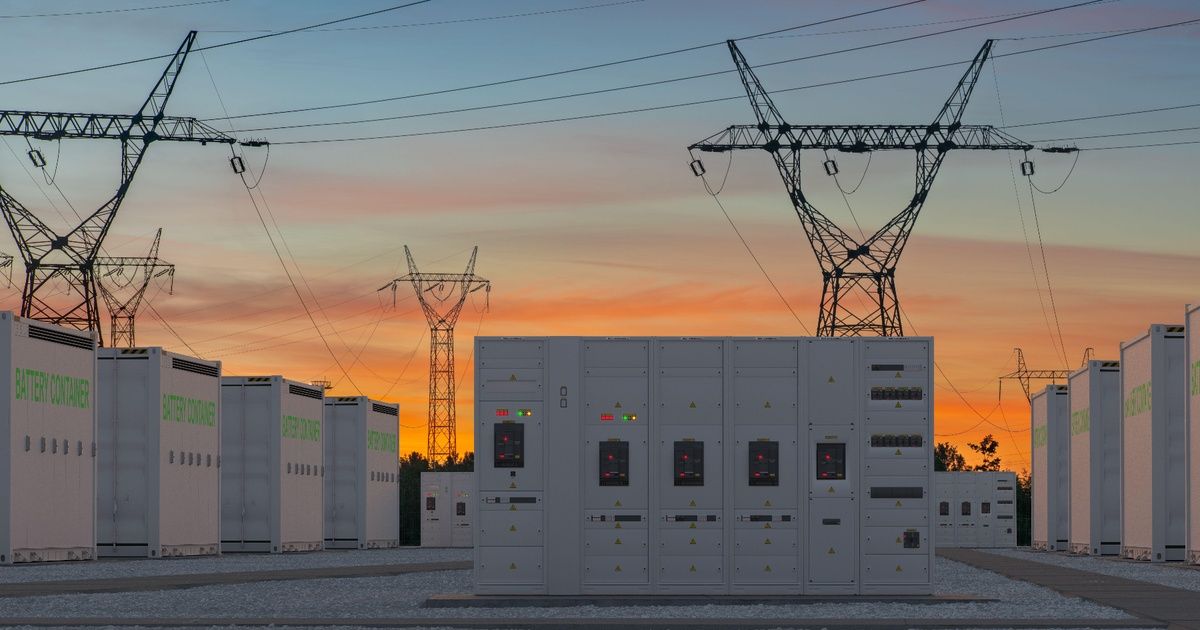
Battery energy storage systems (BESS) provide nearly instantaneous backup power, bridging the gap between utility failure and generator startup. Modern lithium-ion systems can deliver full power within milliseconds, preventing even brief power interruptions that could disrupt sensitive computing equipment. These systems operate silently with zero local emissions, making them ideal for data centers in residential or environmentally sensitive areas.
The primary limitation of battery systems involves energy density and duration. While excellent for short-term backup measured in minutes to a few hours, batteries become impractical for extended outages due to space and cost constraints. Thermal management represents another critical consideration, as lithium-ion batteries require sophisticated cooling systems to maintain optimal performance and safety. Battery degradation over time also necessitates replacement cycles that add to the total cost of ownership.
Fuel Cells: High-Efficiency Electrochemical Power
Clean Technology with Economic Hurdles
Fuel cells generate electricity through electrochemical reactions rather than combustion, offering higher efficiency and dramatically lower emissions compared to traditional generators. Hydrogen fuel cells produce only water vapor as a byproduct, while natural gas fuel cells generate minimal emissions. These systems can provide continuous power as long as fuel supplies last, with some configurations capable of operating for days or weeks without interruption.
The main barriers to widespread fuel cell adoption include high capital costs and hydrogen infrastructure limitations. While natural gas-powered fuel cells benefit from existing pipeline networks, hydrogen fuel cells require either on-site production or delivery infrastructure that remains underdeveloped in most regions. Fuel cell technology also faces scalability challenges for the largest data centers, though modular designs are helping to address this limitation. According to datacenterknowledge.com, ongoing research aims to reduce costs and improve reliability for data center applications.
Hybrid Systems: Combining Strengths, Mitigating Weaknesses
Strategic Integration for Optimal Resilience
Many modern data centers employ hybrid backup power systems that combine multiple technologies to leverage their respective strengths. A typical configuration might use batteries for immediate response, generators for medium-duration outages, and grid-independent renewable sources for extended emergencies. This approach provides redundancy while optimizing for cost, reliability, and environmental performance across different outage scenarios.
Hybrid systems require sophisticated control systems to manage power transitions seamlessly between different sources. These systems must prioritize which loads to support during extended outages, potentially shedding non-critical systems to conserve fuel or battery capacity. The complexity of hybrid systems introduces additional maintenance requirements and specialized expertise, but the enhanced resilience often justifies these investments for mission-critical data centers that cannot tolerate any downtime.
Renewable Integration: Solar and Wind Backup Solutions
Sustainable Power with Intermittency Challenges
Some data centers are incorporating solar arrays and wind turbines into their backup power strategies, particularly in regions with favorable climate conditions. When paired with battery storage, renewable sources can provide extended backup power during grid outages while reducing operational costs and environmental impact during normal operations. These systems align with corporate sustainability goals and can provide public relations benefits.
The intermittent nature of renewable power represents the primary challenge for backup applications. Solar generation ceases at night and during cloudy weather, while wind power depends on weather conditions that may not align with outage events. Most data centers using renewable backup maintain conventional generators as a fallback option, creating systems that prioritize renewable sources when available but automatically switch to traditional fuels when necessary. The space requirements for significant renewable generation can also be prohibitive for urban data centers.
Microgrids: Community-Scale Resilience
Beyond Individual Data Center Solutions
Microgrids represent an emerging approach where multiple facilities, including data centers, share backup power resources within a defined geographical area. These systems can coordinate generator usage, share renewable resources, and create economies of scale that reduce costs for all participants. During regional outages, microgrids can operate independently from the main utility grid, providing continuous power to critical infrastructure.
The implementation of microgrids requires significant coordination between different stakeholders and complex regulatory approvals. Data centers must balance the benefits of shared resources against the potential risks of depending on external systems during emergencies. Cybersecurity becomes particularly important in microgrid configurations, as interconnected systems create additional vulnerability points. Despite these challenges, microgrids offer promising solutions for data center clusters seeking to enhance resilience while controlling costs.
Economic Considerations: Total Cost of Ownership Analysis
Beyond Initial Capital Investment
Evaluating backup power systems requires comprehensive analysis of total cost of ownership rather than simply comparing initial purchase prices. Diesel and natural gas generators typically have lower capital costs but higher ongoing expenses for fuel, maintenance, and emissions compliance. Battery systems involve significant upfront investment but lower operating costs, though replacement cycles must be factored into long-term calculations.
Fuel cells currently represent the highest capital investment but offer potential savings through higher efficiency and reduced emissions compliance costs. The economic analysis becomes further complicated by potential revenue opportunities, such as participating in demand response programs where data centers can earn payments by reducing grid consumption during peak periods. Tax incentives for clean energy systems and potential carbon pricing mechanisms also influence the financial calculations for different backup power technologies.
Regulatory Landscape and Future Trends
Evolving Standards Shape Technology Choices
Government regulations increasingly influence data center backup power decisions, with emissions standards, noise restrictions, and efficiency requirements varying significantly by jurisdiction. Some regions offer incentives for clean backup technologies, while others impose restrictions on generator run times or require specific environmental mitigation measures. Data center operators must navigate this complex regulatory environment while planning for future standards that may further restrict conventional technologies.
Emerging trends include the development of longer-duration energy storage technologies, improved generator efficiency, and advanced control systems that optimize backup power usage. The growing emphasis on environmental, social, and governance (ESG) criteria is driving investment in cleaner backup solutions, even in regions without strict regulatory requirements. According to datacenterknowledge.com, published on 2025-11-25T21:13:03+00:00, the industry continues to evolve toward solutions that balance reliability, cost, and sustainability as digital infrastructure becomes increasingly critical to economic and social functions.
Perspektif Pembaca
Share Your Experience with Digital Infrastructure Reliability
Have you experienced significant service disruptions due to power failures at data centers supporting services you depend on? What aspects of backup power systems—reliability, environmental impact, or cost—should prioritize in future developments?
How has your organization's approach to business continuity evolved in response to increasing dependence on cloud services and digital infrastructure? What lessons have you learned from power-related incidents that changed your perspective on backup system importance?
#DataCenter #BackupPower #PowerResilience #Infrastructure #BusinessContinuity


