

America's Power Grid Crisis Threatens Artificial Intelligence Development

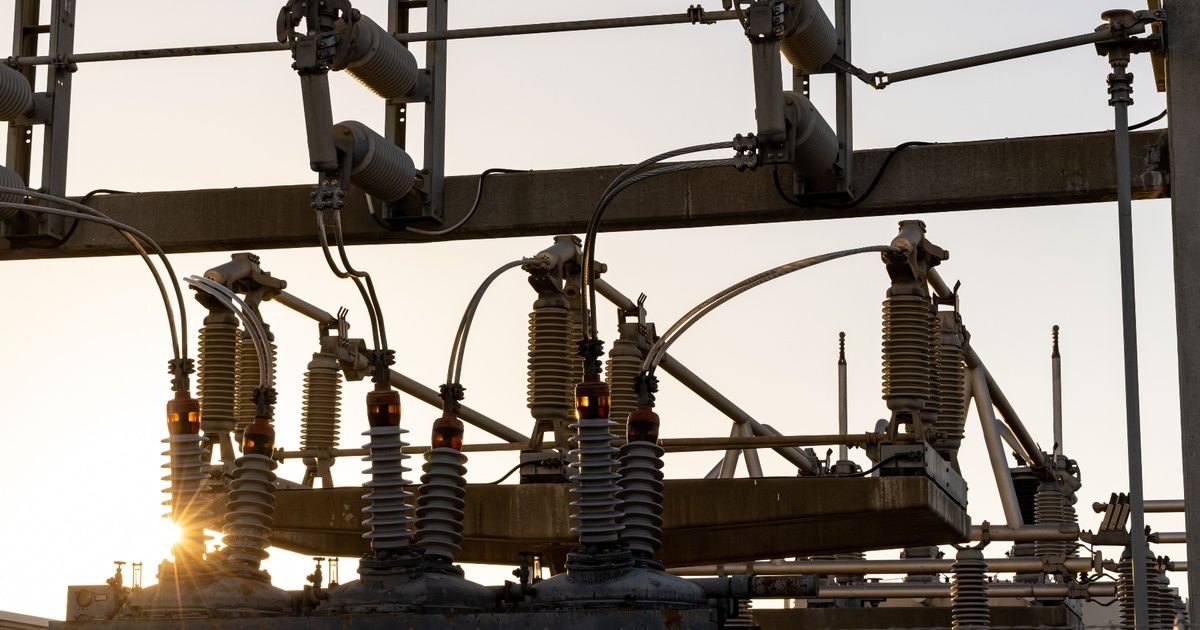
📷 Image source: eu-images.contentstack.com
The Coming Energy Collision
How AI's Hunger for Electricity Meets Grid Limitations
A severe power shortage is developing across the United States that could significantly hamper the country's artificial intelligence capabilities, according to analysis from Schneider Electric. The electrical infrastructure that powers American homes, businesses, and technology centers is struggling to keep pace with the explosive growth in energy demand from AI systems. This emerging crisis represents a fundamental challenge to technological advancement that could reshape how and where AI development occurs.
Schneider Electric, a global specialist in energy management and automation, has identified specific pressure points where the electrical grid's limitations will directly impact AI performance and development timelines. The company's research suggests that without substantial infrastructure improvements, the United States risks losing its competitive edge in artificial intelligence to regions with more reliable power systems. This energy constraint comes at a critical moment when AI capabilities are advancing rapidly across multiple sectors including healthcare, transportation, and scientific research.
The Scale of AI's Electricity Appetite
Understanding the Massive Power Requirements
Artificial intelligence systems, particularly large language models and advanced machine learning algorithms, consume electricity at rates that dwarf traditional computing workloads. Training a single sophisticated AI model can require enough electricity to power hundreds of homes for an entire year. The computational intensity of these systems means they draw continuous, massive amounts of power that strain local electrical infrastructure and generate significant heat requiring additional energy for cooling systems.
As AI applications become more integrated into daily business operations and consumer products, the collective energy demand creates unprecedented pressure on power generation and distribution networks. Data centers housing AI infrastructure often require dedicated power substations and specialized electrical infrastructure that can take years to permit and construct. The rapid acceleration of AI adoption has outpaced the typical planning cycles for electrical infrastructure development, creating a mismatch between supply and demand timelines.
Geographic Vulnerabilities
Regional Power Grids Under Pressure
Certain regions of the United States face more immediate challenges than others in supporting AI growth. Areas with existing grid constraints, including parts of California, Texas, and the Northeast, may experience limitations sooner than regions with more robust electrical infrastructure. The geographic distribution of AI development centers doesn't always align with areas of electrical surplus, creating localized bottlenecks that could slow innovation in specific technology hubs.
International comparisons reveal that some countries have maintained more consistent investment in electrical infrastructure, potentially giving them advantages in supporting energy-intensive technologies like artificial intelligence. Nations with centralized energy planning and newer power generation facilities may be better positioned to accommodate the rapid growth of AI computing needs. This global disparity could influence where major AI companies choose to locate future research and development facilities.
Infrastructure Investment Gap
The Lag Between Need and Construction
The timeline for building new power generation facilities and upgrading electrical transmission systems often spans multiple years, while AI development cycles measure in months. This mismatch creates a fundamental challenge for planners and policymakers attempting to anticipate future energy needs. Historical underinvestment in grid modernization compounds the problem, leaving many regions with aging infrastructure ill-equipped to handle the concentrated power demands of AI data centers.
Permitting processes, environmental reviews, and community concerns frequently delay energy projects beyond their anticipated completion dates. These delays occur precisely when the need for additional capacity is becoming most acute. The regulatory framework governing energy development hasn't evolved to accommodate the rapid scaling requirements of emerging technologies like artificial intelligence, creating additional friction in the system.
Impact on AI Research and Development
How Power Constraints Shape Innovation
When electrical capacity becomes limited, AI developers face difficult choices about which projects to prioritize and which to delay. Power availability could determine which AI models get trained, how frequently they're updated, and what computational resources are allocated to specific research initiatives. This resource constraint may inadvertently steer AI development toward less computationally intensive approaches, potentially altering the trajectory of artificial intelligence evolution.
The financial implications are substantial as well. Companies investing billions in AI research may find their progress hampered not by technical limitations but by basic infrastructure constraints. This could advantage larger technology firms with resources to build their own power infrastructure or negotiate preferential access to electrical capacity, potentially reducing competition and innovation in the AI ecosystem.
Renewable Energy Integration
Potential Solutions and Their Limitations
Renewable energy sources like solar and wind power offer potential pathways to address AI's electricity demands, but they come with their own challenges. The intermittent nature of these power sources creates reliability concerns for AI systems that require consistent, uninterrupted electricity. Battery storage technology continues to improve but hasn't yet reached the scale needed to fully support large AI data centers through extended periods without sun or wind.
Geographic constraints also affect renewable solutions. The sunniest and windiest regions aren't always located near population centers or existing AI research hubs. Building transmission lines from remote renewable energy sites to technology centers involves its own set of regulatory and environmental challenges. While renewable energy holds promise for addressing AI's long-term power needs, it may not provide immediate relief from the developing crunch.
Economic Consequences
Broader Impacts Beyond Technology
The power constraints affecting AI development could have ripple effects throughout the American economy. Industries expecting to benefit from AI-driven productivity gains may see those benefits delayed or diminished. Job creation in AI-related fields could slow if companies encounter limitations in scaling their operations due to energy availability. The United States' position in global technology leadership could be affected if power limitations hinder the pace of AI innovation.
Regional economic development patterns may shift as companies seek locations with more reliable electrical infrastructure. Areas that have invested in modernizing their power grids could attract AI companies and related businesses, while regions with constrained power systems might see investment diverted elsewhere. These economic realignments could reshape technology corridors and innovation ecosystems across the country.
Corporate Responses and Adaptations
How Technology Companies Are Adjusting
Major technology firms are already developing strategies to navigate the emerging power constraints. Some companies are exploring location diversification, spreading AI operations across multiple regions to mitigate the risk of localized power shortages. Others are investing in on-site power generation, including natural gas generators and renewable energy installations, to supplement grid power during periods of high demand or limited availability.
Energy efficiency has become a renewed focus within AI development teams. Researchers are working on algorithms that deliver similar results with less computational intensity, while hardware engineers are designing more energy-efficient processors specifically for AI workloads. These efficiency improvements help reduce power consumption but may not fully offset the overall growth in demand as AI applications proliferate.
Policy and Regulatory Considerations
Government's Role in Addressing the Challenge
Electricity regulation occurs primarily at the state level, creating a patchwork of approaches to addressing power supply challenges. Some states have implemented streamlined permitting processes for energy projects that support economic development, while others maintain more rigorous review procedures. This regulatory variation means the impact of power constraints on AI development will likely differ significantly across state lines.
Federal policies related to energy infrastructure, research funding, and technology development could influence how quickly solutions emerge. Incentives for grid modernization, support for advanced energy storage research, and funding for more efficient computing technologies all represent potential policy levers. The complexity of coordinating across jurisdictional boundaries adds another layer of challenge to developing comprehensive solutions.
Long-term Implications for AI Capabilities
How Power Constraints Could Reshape Technology Development
If power constraints persist, they may fundamentally alter the trajectory of artificial intelligence development. The era of training ever-larger models with exponentially increasing computational requirements might give way to more efficient approaches that deliver advanced capabilities with reduced energy consumption. This shift could accelerate research into novel AI architectures and training methods that prioritize efficiency alongside performance.
The location of AI innovation centers might gradually shift toward regions with abundant, reliable electricity, potentially including international destinations with stronger power infrastructure. This geographic redistribution could influence the cultural and regulatory frameworks that shape AI development, potentially leading to different approaches to ethics, privacy, and implementation across global AI ecosystems.
Comparative International Landscape
How Other Countries Approach AI and Energy
Other nations face similar challenges in balancing AI development with energy infrastructure, but their approaches and starting positions differ significantly. Countries with centralized energy planning and recent infrastructure investments may have advantages in supporting energy-intensive computing. Nations with abundant hydroelectric, geothermal, or nuclear power may find themselves better positioned to accommodate AI's electricity demands without straining their grids.
The global competition in artificial intelligence development adds urgency to addressing power constraints. Countries that successfully resolve their energy challenges may gain advantages in AI capabilities that translate into economic and strategic benefits. This international dimension increases the stakes for finding workable solutions to the power-AI challenge within reasonable timeframes.
Technological Innovations on the Horizon
Emerging Solutions Beyond Traditional Approaches
Several technological developments could help alleviate the pressure between AI growth and power availability. Advanced cooling systems that reduce the energy required for temperature management in data centers are under active development. More efficient processor architectures designed specifically for AI workloads continue to emerge, delivering better performance per watt of electricity consumed. These hardware improvements complement software advances in energy-aware computing.
Quantum computing, though still in early stages, represents a potential long-term solution for certain types of computational problems that currently require massive energy inputs. While practical quantum computers remain years away from widespread deployment, their development trajectory suggests they might eventually help address some of the computational challenges that currently drive AI's electricity consumption. The timing of these various technological solutions relative to the developing power crunch remains uncertain.
Perspektif Pembaca
Share Your Experience with Technology and Infrastructure
How has infrastructure limitation affected technology adoption or innovation in your industry or community? Have you encountered situations where promising technological solutions were hampered by basic infrastructure constraints like power availability, internet connectivity, or transportation systems? What balance should communities strike between supporting technological advancement and maintaining reliable infrastructure for existing needs?
Readers working in technology development: Have power considerations influenced your project planning or technology choices? Those involved in community planning or policy: How should regions prepare for the infrastructure demands of emerging technologies while ensuring reliability for existing users? Share perspectives on whether the private sector, government, or collaborative approaches offer the most promising path forward.
#AI #PowerGrid #EnergyCrisis #Technology #Infrastructure


