

Titan’s Methane Lakes May Harbor Key Ingredients for Life

📷 Image source: cdn.mos.cms.futurecdn.net
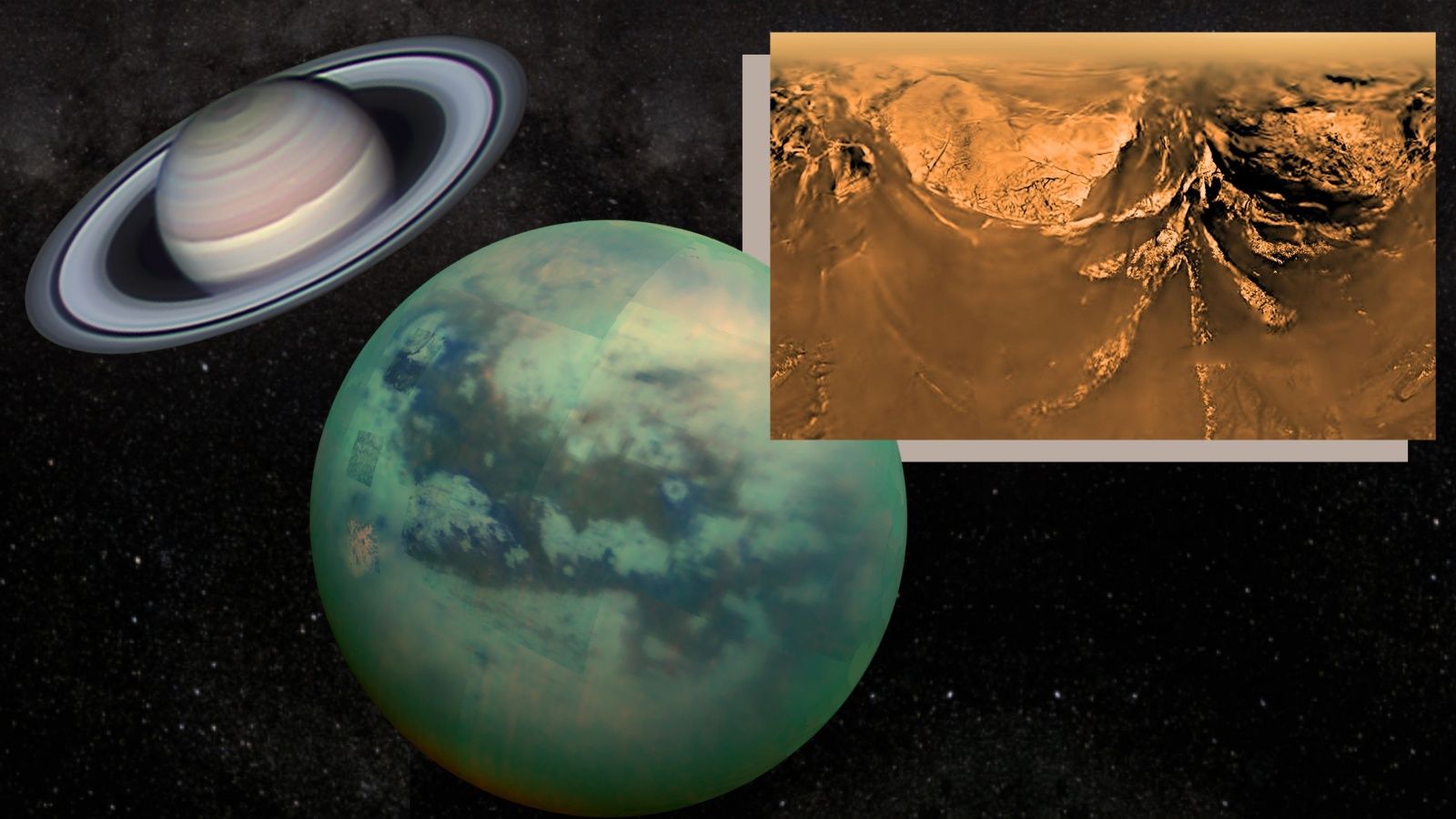
Saturn’s largest moon, Titan, has long fascinated scientists with its Earth-like landscapes of rivers, lakes, and seas—albeit filled with liquid methane and ethane instead of water. New research suggests these hydrocarbon lakes could be the birthplace of organic compounds essential for life, offering a tantalizing glimpse into how life might emerge in environments vastly different from Earth.
A study published in the journal *Science Advances* reveals that Titan’s unique chemical environment could facilitate the formation of amino acids and nucleotides, the building blocks of proteins and DNA. Unlike Earth, where water is the solvent for life, Titan’s frigid surface (-290°F or -179°C) hosts liquid methane and ethane, which may drive alternative pathways for prebiotic chemistry. Laboratory experiments simulating Titan’s conditions have shown that molecules like acrylonitrile and vinyl cyanide can self-assemble into structures resembling cell membranes, hinting at the potential for life-like processes.
NASA’s upcoming Dragonfly mission, set to launch in 2027, aims to explore Titan’s organic-rich dunes and impact craters, providing unprecedented insights into its chemistry. Meanwhile, data from the Cassini-Huygens mission continues to reveal complex organic molecules in Titan’s atmosphere, further supporting the moon’s potential for prebiotic activity.
Scientists caution that while Titan’s chemistry is promising, any life forms would likely differ radically from Earth’s, possibly relying on methane-based metabolisms. Nevertheless, the moon’s dynamic environment makes it one of the most compelling targets in the search for extraterrestrial life.
Additional research from *Nature Astronomy* (2022) highlights the role of cosmic rays in Titan’s atmosphere, which may trigger reactions producing even more complex organic molecules. Together, these findings paint Titan as a natural laboratory for understanding the diversity of life’s possible origins.


