

NASA's Heliophysics Breakthroughs: Key Discoveries from June 2025

📷 Image source: assets.science.nasa.gov
NASA's heliophysics division unveiled groundbreaking findings in June 2025, shedding new light on solar activity and its far-reaching impacts. Among the highlights was the detection of an unusual solar flare with unexpected magnetic signatures, captured by the Solar Dynamics Observatory (SDO). Researchers suggest this event could refine current models of solar weather prediction, potentially improving forecasts for Earth's communication and power grid disruptions.
Another milestone included data from the Parker Solar Probe, which ventured closer to the Sun than ever before. The probe's measurements revealed previously unobserved plasma turbulence patterns, offering clues about the solar wind's acceleration mechanisms. These insights are critical for understanding space weather dynamics and safeguarding satellites and astronauts.
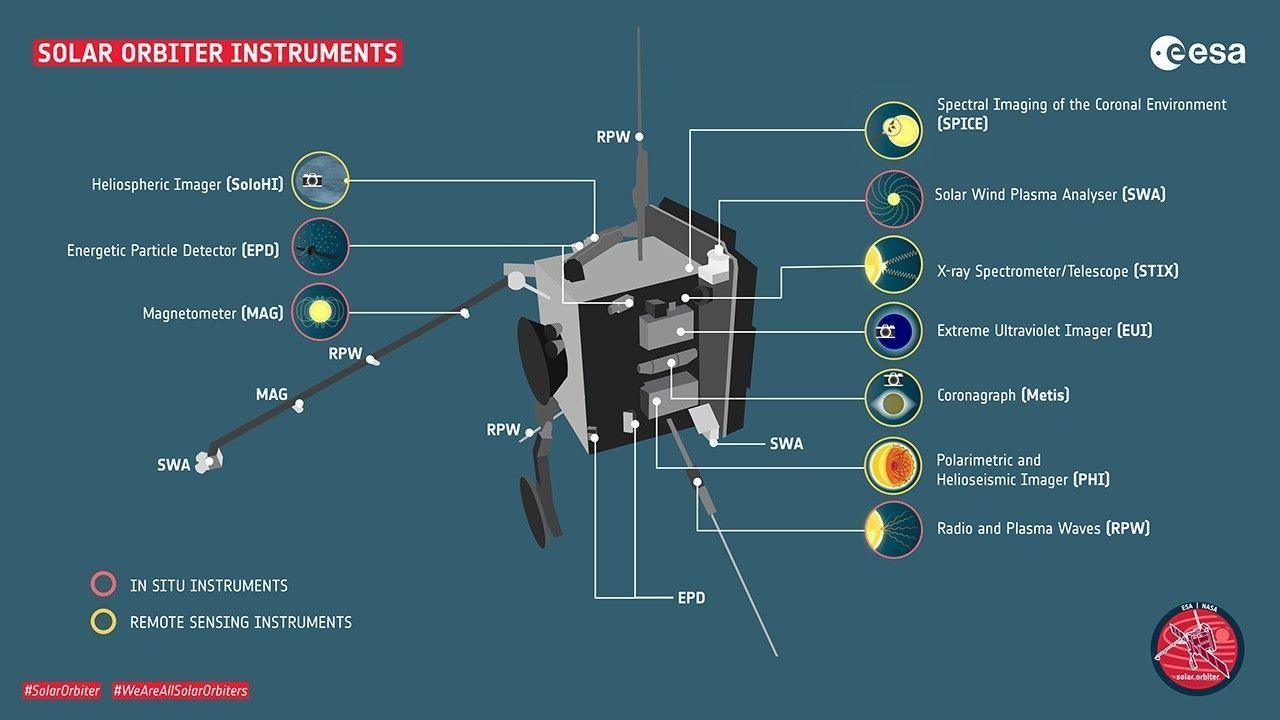
Complementing these discoveries, the Heliophysics System Observatory (HSO) coordinated multi-mission observations of a coronal mass ejection (CME), tracking its propagation from the Sun to Earth's magnetosphere. Collaborative analysis with the European Space Agency's Solar Orbiter provided a 3D reconstruction of the CME's structure, enhancing predictive capabilities for geomagnetic storms.
Scientists also reported progress in studying the Sun's polar regions, leveraging data from the recently launched Solaris mission. Early findings hint at asymmetries in solar magnetic fields, which could explain long-standing mysteries about the Sun's 11-year cycle.
These advances underscore NASA's pivotal role in heliophysics, with implications for both theoretical research and practical applications in space infrastructure protection.


