

NASA Combines Satellite Data and Indigenous Knowledge to Enhance Alaskan Snow Research
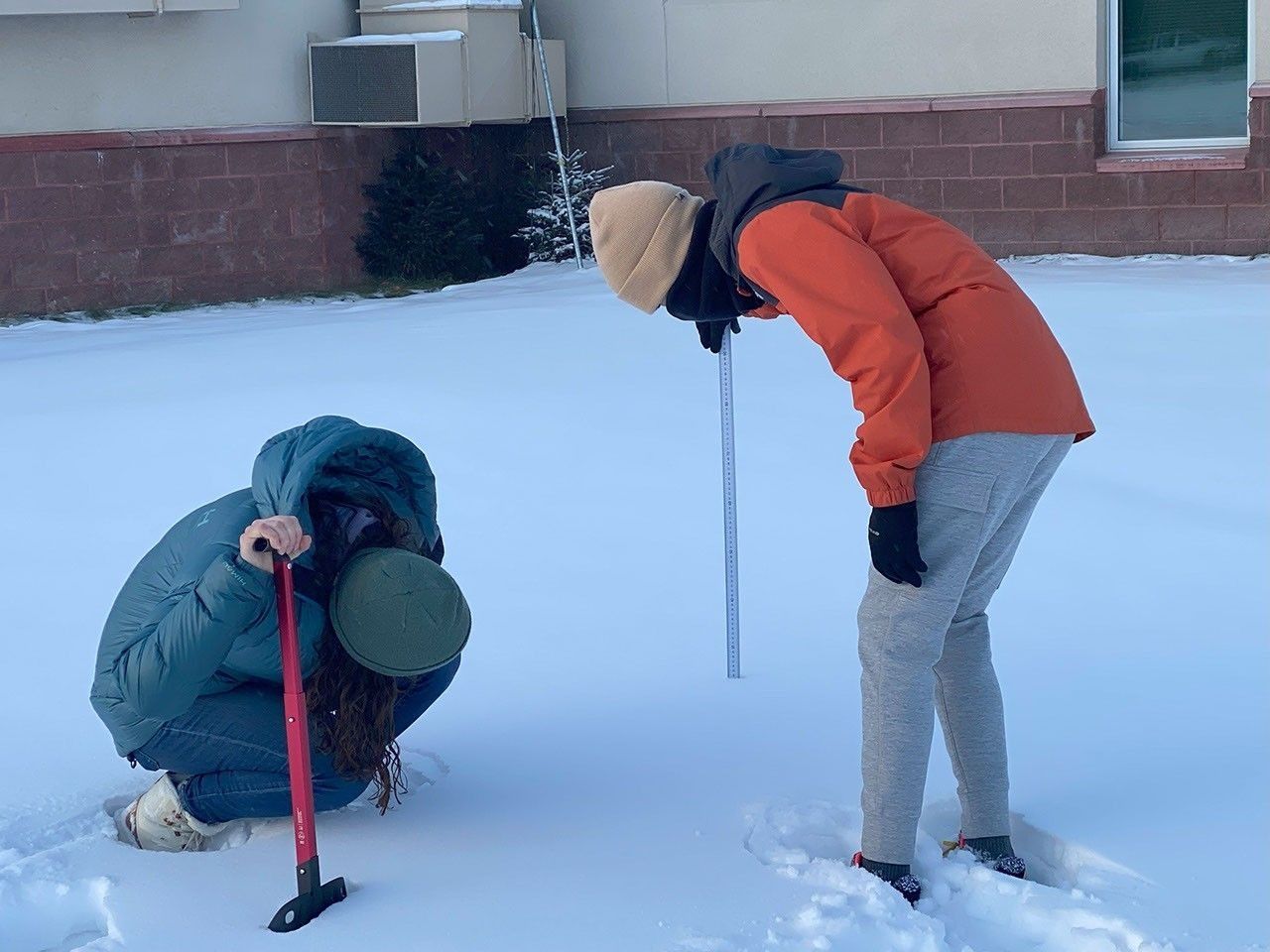

📷 Image source: assets.science.nasa.gov
NASA scientists are collaborating with Alaskan Indigenous communities to refine snow science by merging satellite observations with traditional ecological knowledge. The initiative, led by researchers at NASA’s Goddard Space Flight Center, aims to improve understanding of snowpack dynamics in Alaska, where shifting climate patterns are altering seasonal snow cover. Satellite data from missions like NASA’s ICESat-2 and MODIS provide large-scale measurements of snow depth and distribution. However, these datasets often lack granular details about snow quality, density, and local variability—factors critical for predicting water availability, wildlife habitats, and infrastructure resilience. By integrating insights from Indigenous hunters and elders, who have observed snow behavior for generations, scientists can ground-truth remote sensing data and develop more accurate models. For example, Yup’ik and Iñupiat communities have shared knowledge about wind-driven snow redistribution, a process poorly captured by satellites alone. This partnership not only enhances scientific accuracy but also fosters equitable engagement with Arctic residents disproportionately affected by climate change. Similar efforts are underway globally, such as Canada’s Arctic Eider Society, which combines Inuit knowledge with satellite tracking to monitor sea ice. NASA’s project underscores the growing recognition of Indigenous expertise as a vital component of climate science. The findings could inform policy decisions on water resource management and disaster preparedness in rapidly warming regions.


