

Intel's 192-Core Diamond Rapids Xeon CPU Aims for Quad-Socket Servers by 2026, But Can It Compete?

📷 Image source: cdn.mos.cms.futurecdn.net
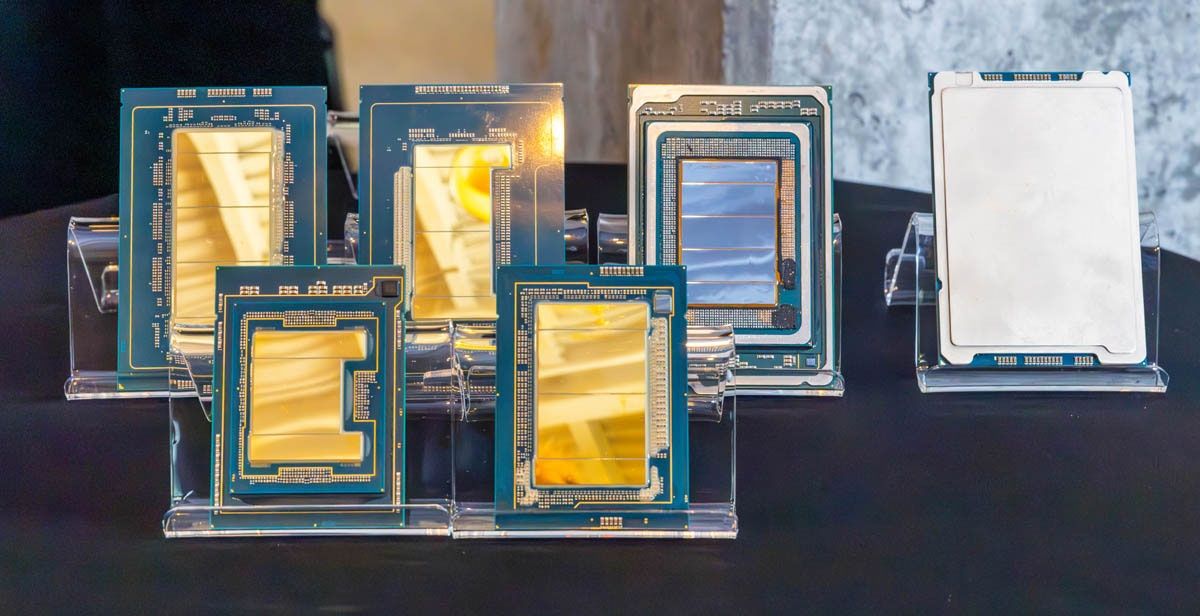
Intel is pushing the boundaries of server processing power with its upcoming Diamond Rapids Xeon CPU, a 192-core behemoth designed for quad-socket systems capable of delivering a staggering 768 cores. Slated for release in 2026, the chip represents Intel's latest bid to reclaim its footing in the high-performance computing (HPC) and data center markets, where rivals like AMD and ARM have made significant inroads. However, industry analysts are questioning whether the delayed timeline will leave Intel struggling to catch up in an increasingly competitive landscape.
The Diamond Rapids Xeon, built on Intel's advanced process node, promises substantial improvements in both performance and power efficiency. The quad-socket configuration, targeting enterprise and cloud providers, could offer unparalleled density for workloads like AI training, virtualization, and large-scale databases. Yet, AMD's EPYC processors, already boasting 128 cores per socket, and ARM-based solutions from Ampere and others are rapidly evolving, potentially overshadowing Intel's offering by the time it arrives.
According to sources, Intel's roadmap has faced repeated delays, partly due to manufacturing challenges and architectural redesigns. Meanwhile, competitors are not standing still—AMD's next-gen EPYC Turin chips, expected before Diamond Rapids, could further widen the performance gap. The question remains: will Intel's 2026 play be enough to regain dominance, or will it arrive as a case of too little, too late?
Additional reporting from ServeTheHome highlights growing skepticism among data center operators, many of whom are already migrating workloads to more readily available and cost-effective alternatives. With hyperscalers increasingly favoring custom ARM chips, Intel faces an uphill battle to prove Diamond Rapids' relevance in a shifting market.


