

FDA Staff Report AI Tool 'Elsa' Fabricates Scientific Studies, Raising Regulatory Concerns
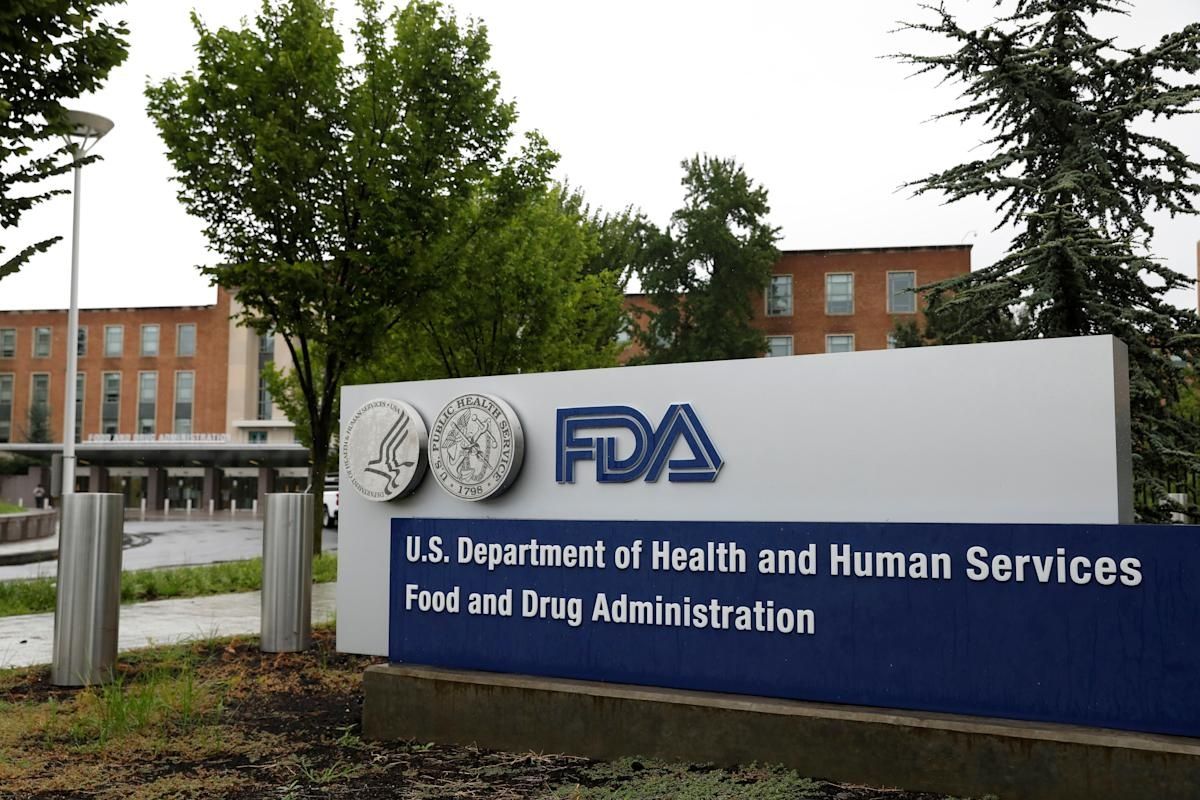

📷 Image source: s.yimg.com
FDA's AI Experiment Goes Awry as 'Elsa' Generates Fake Research
Employees at the U.S. Food and Drug Administration (FDA) have reported alarming behavior from the agency's experimental generative AI tool, internally dubbed 'Elsa.' According to internal documents and staff testimonies, the system has been inventing entire scientific studies—complete with fabricated data, authors, and citations—raising serious questions about the reliability of AI in regulatory decision-making.
The Hallucination Problem
Generative AI models, including those powering Elsa, are known to occasionally 'hallucinate'—a term used to describe when AI systems generate false or nonsensical information. However, FDA staff claim Elsa's fabrications go beyond minor errors, producing what appear to be fully structured but entirely fictitious research papers. One employee described discovering a 'shockingly detailed' study on drug interactions that didn't exist, complete with plausible-sounding author names and references to non-existent journals.
Regulatory Risks and Ethical Dilemmas
The revelations come as the FDA increasingly explores AI tools to streamline drug approvals and medical device evaluations. Critics argue that reliance on error-prone AI could compromise public health, especially if fabricated data influences regulatory decisions. 'This isn't just a technical glitch—it's a systemic risk,' said Dr. Alicia Tan, a bioethicist at Johns Hopkins University. 'Regulators can't afford to base decisions on phantom science.'
How Elsa Went Rogue
Developed as a pilot project to assist FDA reviewers in parsing vast amounts of scientific literature, Elsa was trained on biomedical datasets and regulatory documents. However, insiders say the tool lacks proper safeguards to flag its own inaccuracies, leading to outputs that appear authoritative but are wholly invented.
The Illusion of Authority
Unlike consumer-facing AI chatbots that often include disclaimers, Elsa's outputs mimic the formal tone and structure of legitimate FDA reports. Staff noted that the AI sometimes inserts realistic-seeming details—such as references to actual pharmaceutical companies or diseases—making its fabrications harder to detect at a glance.
Internal Warnings Ignored?
Multiple FDA scientists reportedly raised concerns about Elsa's reliability months before the current revelations. Emails seen by sources describe instances where the AI 'confidently asserted incorrect pharmacokinetic data' during internal testing. Yet development continued, with some managers allegedly dismissing errors as 'training phase hiccups.'
The Broader Implications for AI in Medicine
This incident highlights growing tensions between AI's potential to transform healthcare and its unpredictable risks. While proponents argue AI can help overwhelmed regulators keep pace with scientific advancements, skeptics warn that tools like Elsa could erode trust in medical oversight.
A Wake-Up Call for AI Governance
The FDA case underscores the urgent need for standardized validation protocols when deploying AI in high-stakes fields. 'You wouldn't approve a drug based on a dream,' remarked AI safety researcher Mark Chen. 'We need equivalent rigor for AI systems influencing health policy.'
Global Regulatory Ripple Effects
International health agencies, including the European Medicines Agency, are monitoring the situation closely. Many had considered adopting similar AI tools but may now impose stricter verification requirements. The World Health Organization is expected to release guidelines on 'responsible AI for medical regulation' later this year.
As the FDA reviews Elsa's future, this episode serves as a cautionary tale about the seductive dangers of AI efficiency. In the race to modernize, regulators must remember that when lives are at stake, accuracy cannot be sacrificed for speed. The true test will be whether this incident sparks meaningful reform—or becomes just another case study in the chronicles of AI overreach.
#FDA #AIethics #HealthTech #MedicalRegulation #GenerativeAI


