

NASA Prepares for Landmark NISAR Satellite Launch to Monitor Earth's Dynamic Systems
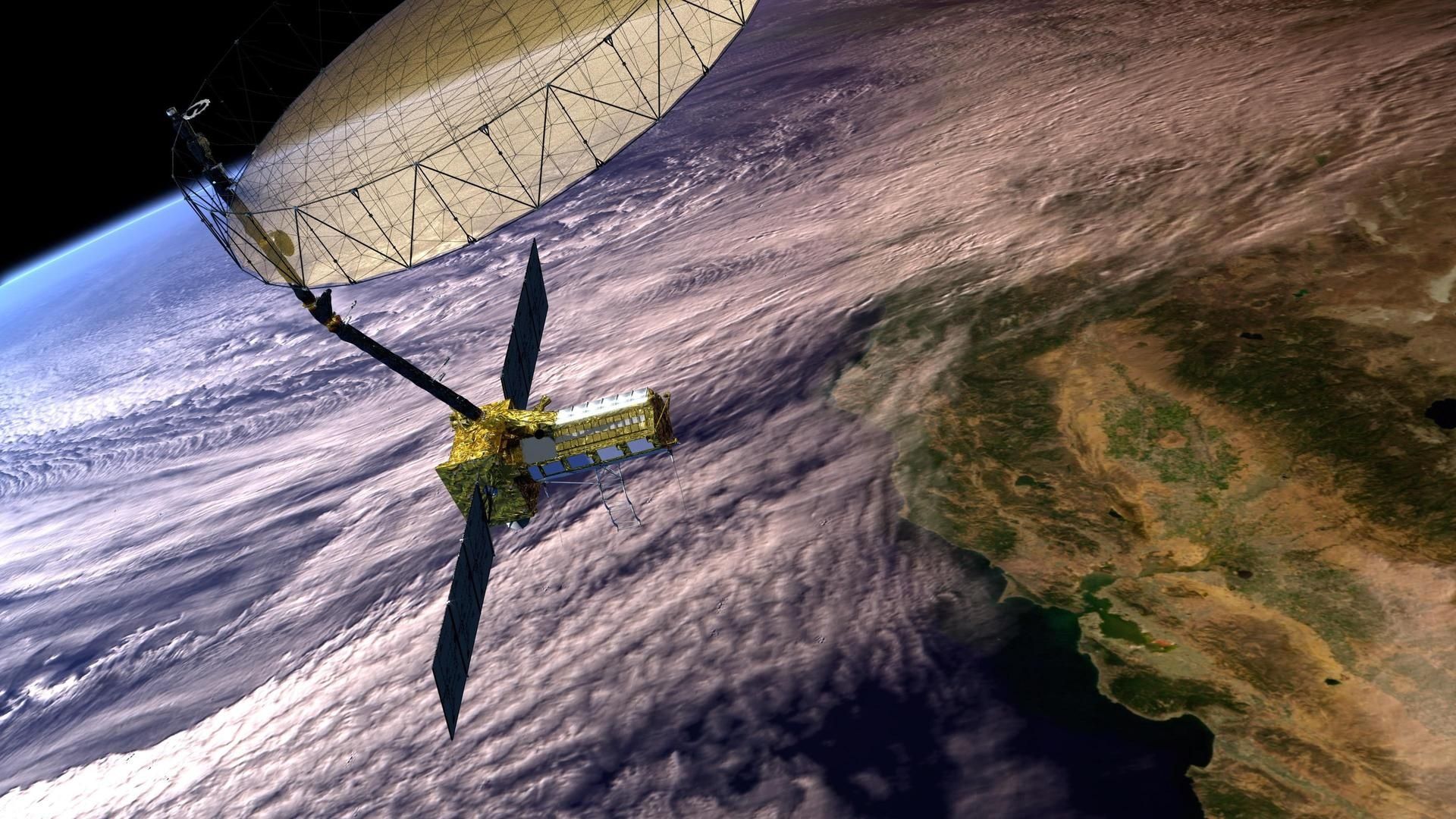

📷 Image source: nasa.gov
A New Era in Earth Observation Begins
NASA, in collaboration with the Indian Space Research Organisation (ISRO), is poised to launch the NASA-ISRO Synthetic Aperture Radar (NISAR) satellite, a groundbreaking mission designed to provide an unprecedented view of Earth's most complex systems. Scheduled for liftoff in early 2024, NISAR represents a $1.5 billion investment in global environmental monitoring, combining cutting-edge radar technology with international scientific partnership.
The Most Advanced Earth-Observation Satellite Yet
NISAR will carry the most advanced synthetic aperture radar ever launched on a civilian mission. Unlike optical satellites limited by daylight and weather conditions, NISAR's L-band and S-band radars can penetrate cloud cover and vegetation, collecting high-resolution data day and night. This capability will revolutionize our understanding of ecosystem disturbances, ice sheet dynamics, and natural hazards.
Mission Objectives and Scientific Promise
The satellite's dual-frequency radar system will measure subtle changes in Earth's surface down to centimeter precision. Scientists anticipate major breakthroughs in several critical areas of Earth science during NISAR's planned three-year mission.
Tracking Climate Change Impacts
NISAR will provide weekly scans of Earth's entire land and ice surfaces, creating the most comprehensive dataset ever assembled on:
• Melting glaciers and polar ice sheets
• Deforestation and carbon storage in forests
• Groundwater depletion and agricultural water use
Disaster Prediction and Response
The satellite's rapid revisit capability will support early warning systems for earthquakes, volcanic activity, and landslides by detecting ground deformation patterns. Emergency responders will use NISAR data to assess damage from natural disasters more effectively than ever before.
International Collaboration in Space Science
The NISAR mission stands as a testament to what international cooperation can achieve in space exploration. NASA has provided the L-band radar system, while ISRO contributed the S-band radar and the satellite bus. The spacecraft will launch aboard India's GSLV Mark II rocket from the Satish Dhawan Space Center.
Data Accessibility and Global Impact
In an unusual move for such an advanced mission, all NISAR data will be made freely available to researchers worldwide within hours of collection. This open-data policy reflects the mission's emphasis on addressing global environmental challenges through shared knowledge.
As final preparations continue at ISRO's satellite integration facility, the scientific community awaits what promises to be one of the most transformative Earth observation missions of the decade. NISAR's launch will mark a new chapter in our ability to understand and protect our planet's delicate systems.
#NASA #ISRO #EarthObservation #ClimateScience #SpaceCollaboration


