

Google DeepMind's AI Breakthrough: Restoring Ancient Latin Texts with Aeneas Model
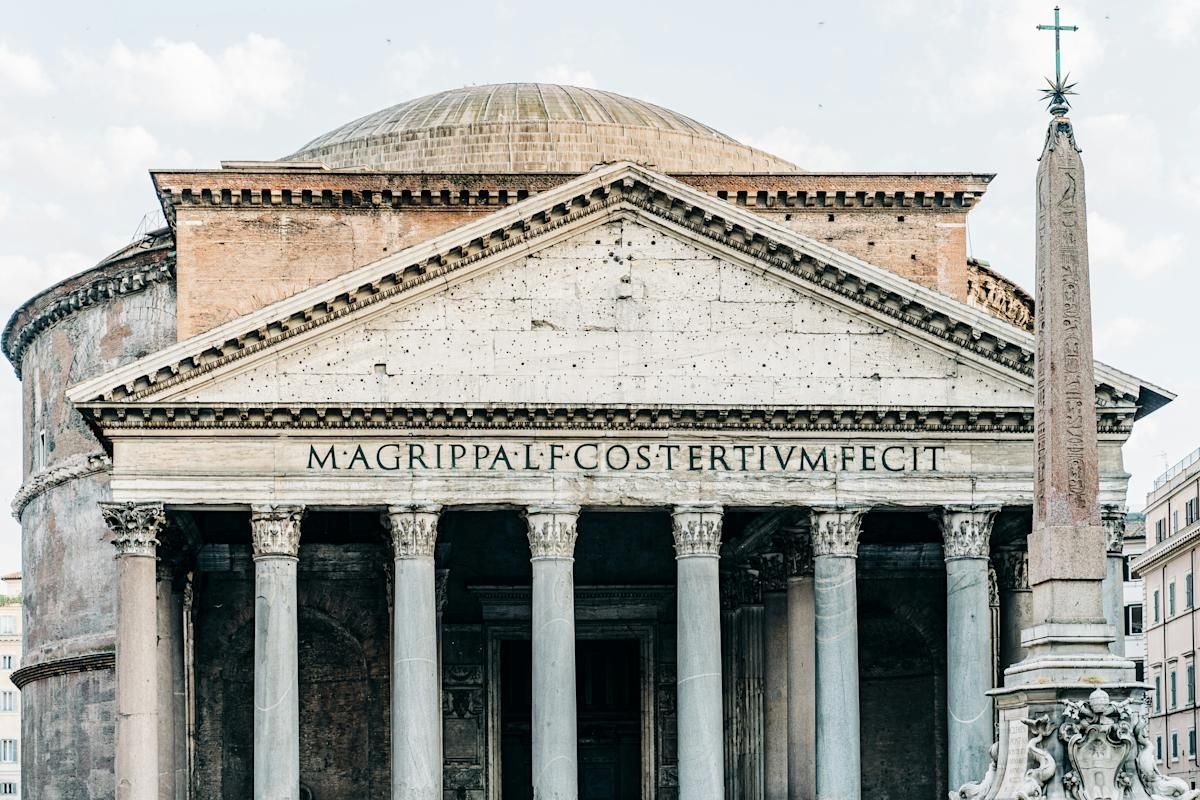

📷 Image source: s.yimg.com
AI Bridges the Gap Between Ancient History and Modern Technology
In a groundbreaking fusion of classical studies and artificial intelligence, Google DeepMind has unveiled its Aeneas model—a neural network capable of reconstructing damaged or fragmented Latin texts with unprecedented accuracy. This development marks a significant leap forward for both AI applications and historical preservation, offering scholars a powerful tool to decipher inscriptions that have puzzled historians for centuries.
The Challenge of Fragmentary Historical Records
Ancient Latin texts, often found on weathered stone tablets or fragile papyrus, frequently arrive to modern scholars in incomplete form. Traditional restoration methods rely on painstaking manual comparison with known texts and educated guesswork—a process that can take years for a single inscription. The Aeneas model promises to accelerate this process exponentially while maintaining scholarly rigor.
How Aeneas Rewrites History—Literally
Training on Classical Corpora
DeepMind researchers fed the model over 100,000 Latin inscriptions from the Classical Latin period (1st century BCE to 2nd century CE), including works by Cicero, Virgil, and Ovid. The AI learned not just vocabulary and grammar, but also contextual patterns, stylistic conventions, and even common abbreviations used in epigraphy.
Beyond Simple Text Prediction
Unlike generic language models that predict subsequent words, Aeneas specializes in "infilling"—reconstructing missing portions while maintaining semantic coherence with the surviving fragments. In tests, it achieved 72.5% accuracy in restoring damaged portions of the Codex Vaticanus, outperforming both traditional methods and previous computational approaches.
Implications for the Future of Historical Research
Democratizing Access to Classical Studies
The technology could level the playing field for smaller institutions lacking teams of expert Latinists. A museum in a developing country, for instance, could use Aeneas to interpret local finds without needing international consultants.
Ethical Considerations in AI Reconstruction
Some scholars caution against over-reliance on AI reconstructions, noting that historical interpretation requires nuanced understanding of cultural context. DeepMind has addressed this by designing Aeneas to provide multiple plausible reconstructions with confidence scores, allowing human experts to make the final judgment.
As we stand at the intersection of technology and humanities, Aeneas represents more than just a technical achievement—it's a bridge connecting our digital present with voices from the ancient past. While AI will never replace human historians, tools like this promise to expand our understanding of history in ways we're only beginning to imagine.
#AI #AncientHistory #GoogleDeepMind #DigitalHumanities #LatinStudies


