

Earth's Hidden Companions: The Mystery of Minimoons
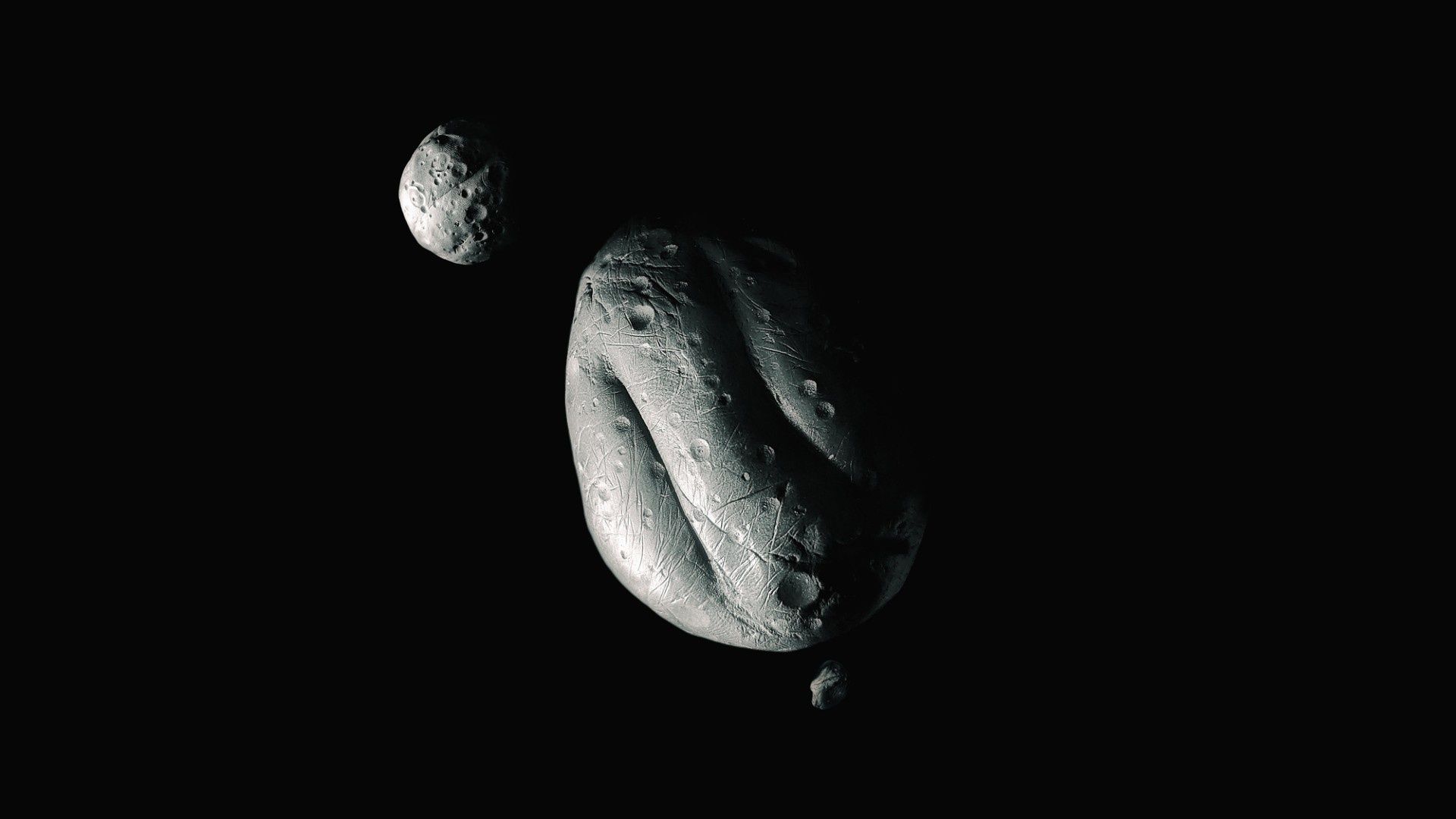

📷 Image source: cdn.mos.cms.futurecdn.net
Earth is constantly accompanied by tiny, transient celestial neighbors known as 'minimoons'—small asteroids temporarily captured by our planet's gravity. According to recent research, at least six of these elusive objects, each measuring between one and two meters in diameter, orbit Earth at any given time. While their stays are brief, often lasting less than a year before escaping back into space or burning up in the atmosphere, their origins and behaviors offer intriguing insights into the dynamics of near-Earth space. Minimoons primarily originate from the main asteroid belt between Mars and Jupiter, dislodged by gravitational interactions before being tugged into Earth's orbit. Their small size and faint visibility make them challenging to detect, but advances in telescope technology, such as the upcoming Vera C. Rubin Observatory, are expected to uncover more of these fleeting visitors. Scientists believe studying minimoons could provide clues about the composition of asteroids and even aid future space missions by serving as low-gravity testing grounds. Despite their temporary nature, minimoons have sparked interest beyond astronomy. Some researchers speculate they could become targets for space mining, given their potential mineral resources. Others see them as stepping stones for deeper space exploration, offering a low-energy waypoint for missions to Mars or beyond. For now, these cosmic hitchhikers remain a fascinating, if understudied, feature of Earth's celestial environment.


