

Cosmic Thieves: How Vampire Stars Recruit Partners to Steal Stellar Lifeblood

📷 Image source: cdn.mos.cms.futurecdn.net
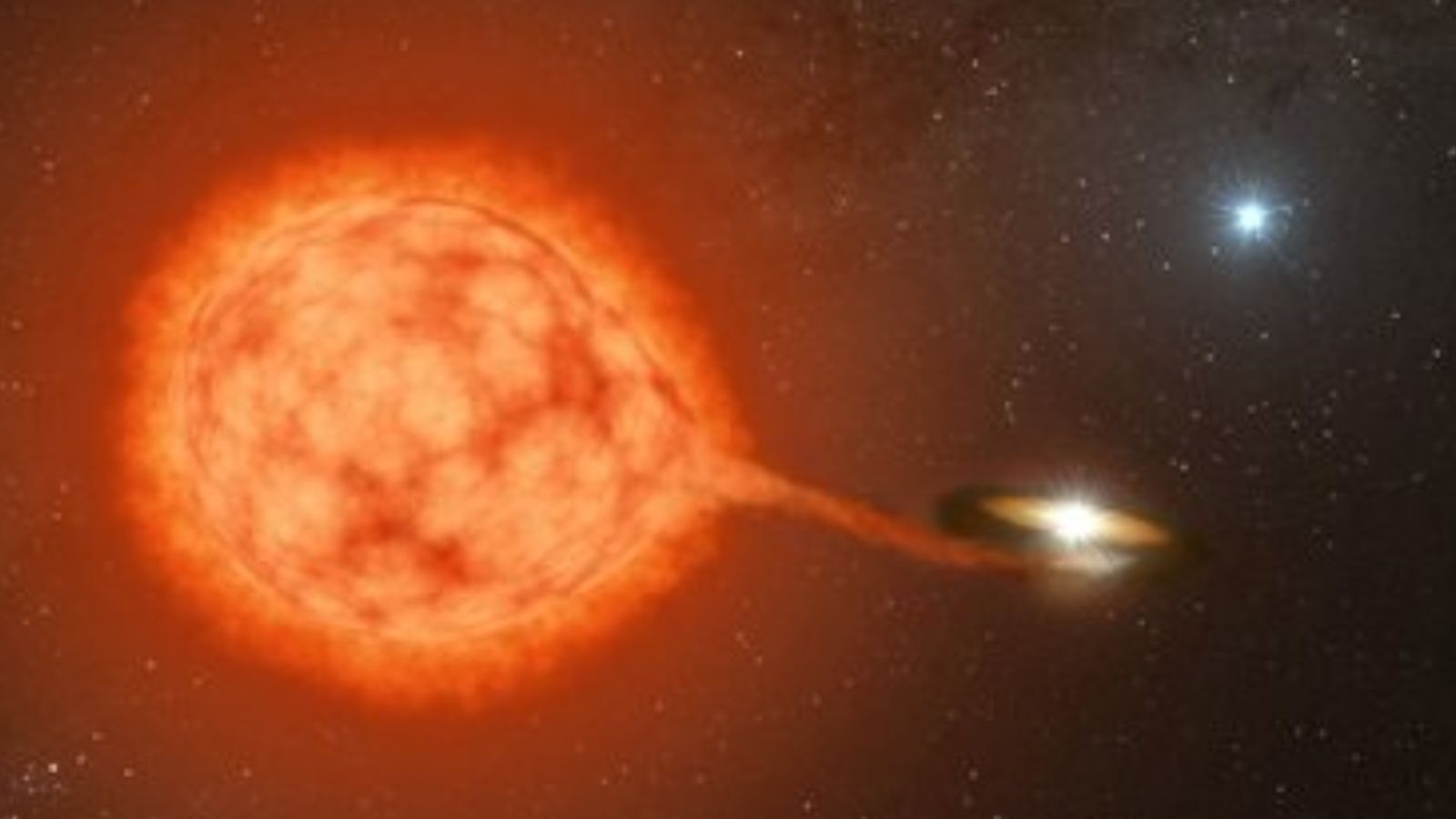
In the vast expanse of the universe, some stars behave like celestial vampires—siphoning material from their stellar neighbors to sustain themselves. New research suggests these so-called 'vampire stars' might not act alone. Instead, they could rely on hidden cosmic accomplices to facilitate their theft. Astronomers have long observed that certain stars, particularly in binary systems, drain hydrogen and other elements from their companions. This process often leaves the victim star dimmer and smaller, while the vampiric star grows brighter and hotter. However, recent findings indicate that gravitational interactions with a third, previously unnoticed star might make this stellar robbery more efficient. A study highlighted by Space.com reveals that triple-star systems could be key to understanding how vampire stars thrive. The gravitational pull of an outer star may destabilize the orbits of the inner binary pair, forcing them closer together. This proximity allows the vampire star to more easily strip material from its doomed partner. Additional research from the Harvard-Smithsonian Center for Astrophysics supports this theory, noting that many observed vampire systems exhibit unusual orbital patterns best explained by the presence of an unseen third star. These findings challenge previous assumptions that vampire stars operate strictly in pairs. Understanding these dynamics could shed light on stellar evolution, supernova formation, and even the distribution of elements necessary for life. As astronomers refine their models, the hunt for these cosmic thieves—and their elusive partners—continues.


