

The 'Shadow Grid': How Data Centers Are Turning to Private Gas Plants to Escape Power Crunches

📷 Image source: cdn.mos.cms.futurecdn.net
The Off-Grid Power Gambit
Data Centers Forge Their Own Energy Path
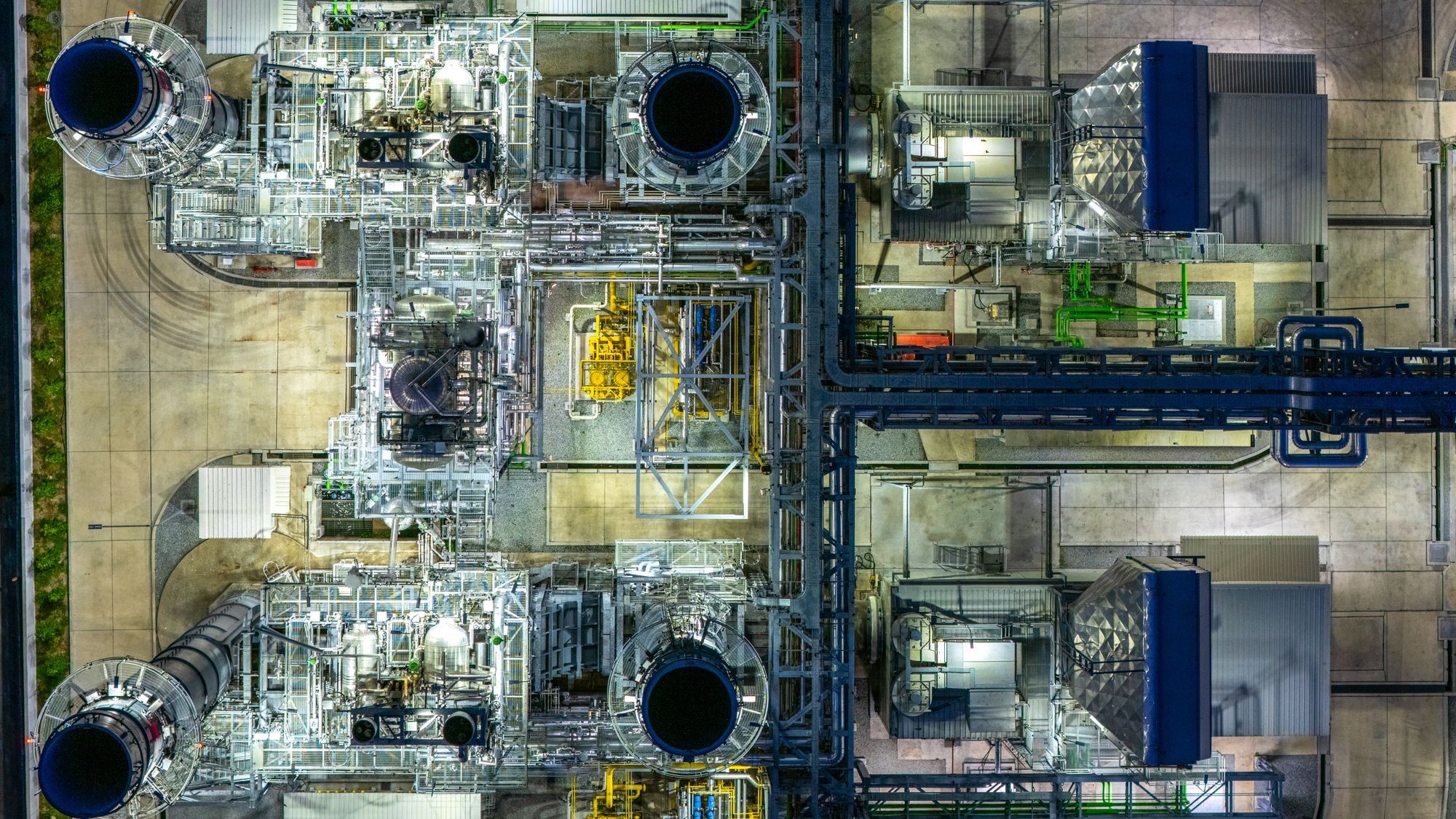
Faced with overloaded public electricity networks and surging demand from artificial intelligence, major data center developers are constructing a parallel, private energy infrastructure. According to tomshardware.com, this emerging 'shadow grid' is powered not by renewables, but primarily by natural gas, raising immediate questions about environmental impact and long-term economic viability.
The strategy is a direct response to a simple, pressing problem: the public power grid in many desirable regions for data center expansion cannot keep up. Wait times for grid connections can stretch for years, a timeline incompatible with the breakneck speed of AI deployment. Building private, on-site power plants offers a shortcut, but one that may come with significant trade-offs.
GW Ranch: A Texas-Sized Case Study
A Project with the Appetite of a Major City
A prime example of this trend is the planned GW Ranch data center campus in Texas. The scale of the project is staggering. A report cited by tomshardware.com states the development will require a colossal 5 gigawatts of power capacity. To put that in perspective, that's roughly equivalent to the peak electricity demand of the entire city of Chicago, a metropolis of 2.7 million people.
This immense power requirement will not be drawn from the Texas grid, known as ERCOT, which has faced well-publicized reliability challenges. Instead, the developers plan to generate the electricity on-site using natural gas-fired power plants. This move completely sidesteps the public utility, creating a self-contained energy ecosystem dedicated solely to the data center's servers and cooling systems.
The Driving Force: AI's Insatiable Hunger
Why the Grid Is No Longer Enough
The catalyst for this shift is the explosive growth of artificial intelligence. Training and running large language models and AI applications is exponentially more power-intensive than traditional cloud computing or data storage. A single advanced AI server rack can consume more power than multiple homes combined, and data centers house thousands of these racks.
As reported by tomshardware.com, this has created a bottleneck. Grid operators, already managing the integration of intermittent renewable sources like wind and solar, are struggling to plan for and build the new transmission lines and substations needed to support dozens of new, gigawatt-scale data centers. For developers, waiting for this infrastructure is not an option if they want to capture the booming AI market, making off-grid solutions financially attractive despite the upfront capital cost.
The Environmental Paradox
A Short-Term Fix with Long-Term Emissions
This pivot to private natural gas generation presents a stark environmental contradiction. Many of the tech companies that will lease these data centers, including Google, Microsoft, and Amazon, have made ambitious public commitments to achieve 'net-zero' carbon emissions, often by 2030. However, the report indicates that the off-grid natural gas plants powering their future AI workloads could significantly increase carbon emissions in the short to medium term.
The issue is one of control and efficiency. A large, modern combined-cycle gas plant connected to the grid can be highly efficient. Smaller, on-site plants built for a single customer may not achieve the same operational efficiency. Furthermore, by operating outside the grid, these plants are not necessarily contributing to or enabling the broader integration of renewable energy sources, potentially locking in fossil fuel dependency for decades of a data center's operational life.
Economic Risks on the Horizon
The Potential Cost of Energy Independence
While bypassing the grid solves an immediate connection problem, it introduces new financial risks. According to the analysis, developers are taking on massive capital expenditure to build generation, transmission, and distribution assets they would normally rely on a utility to provide. They also become fully exposed to the volatile commodity price of natural gas, without the potential hedging a large utility might employ.
If the price of gas spikes, the operating cost of the data center soars, which could be passed on to tech company tenants. This model also assumes a consistent, long-term demand for the data center space. Should demand falter, the developer is left with a stranded, highly specialized asset—a private power plant with no other customer. In the long run, this private infrastructure might prove far more costly than enduring the queue for a grid connection.
A Broader Industry Trend
Beyond Texas: A National Shift in Strategy
The GW Ranch project is not an isolated case. Data center developers are actively pursuing similar off-grid strategies in other power-constrained markets across the United States. The report highlights that this is part of a calculated shift where developers are now prioritizing sites based on the ability to secure independent power, often through direct deals for natural gas pipelines or access to other fuel sources, rather than just proximity to fiber optic cables or population centers.
This represents a fundamental change in the industry's geography and infrastructure planning. The data center is no longer just a building that plugs into the wall; it is becoming an industrial energy complex in its own right. This trend has significant implications for local communities, environmental regulators, and the national energy landscape, concentrating immense power demand in private, fossil-fueled enclaves.
The Regulatory Gray Zone
Oversight Challenges for Private Power
The rise of the 'shadow grid' also ventures into a complex regulatory area. Large, grid-connected power plants are subject to stringent federal and state oversight regarding emissions, efficiency, and planning. It remains less clear how comprehensively these private, behind-the-meter plants will be regulated. Will they be held to the same environmental standards as public utilities?
Furthermore, their isolation from the grid means they do not contribute to its stability or participate in energy markets. In a crisis, they cannot be called upon to support the broader community's power needs. This fragmentation of the energy system could have unforeseen consequences for overall grid resilience, as more and more major electricity consumers effectively withdraw from the shared network.
Weighing the Future
Innovation Versus Sustainability
The move to private natural gas plants is a stark testament to the immense pressure the AI revolution is placing on global infrastructure. It is an innovative, if brute-force, solution to a real and immediate problem. Developers are making a calculated bet that the cost and environmental impact are worth the strategic advantage of guaranteed, rapid capacity.
However, as noted in the report from tomshardware.com, this short-term solution might increase carbon emissions and prove costly in the long run. The central question is whether this is a temporary bridge to a more sustainable, grid-integrated future powered by advanced nuclear, geothermal, or enhanced renewables, or the beginning of a new, carbon-intensive chapter for the digital economy. The path chosen by these pioneers in Texas and beyond will likely set a precedent for the industry worldwide, making their energy choices a matter of global significance.
#DataCenters #AI #Energy #NaturalGas #Sustainability #Technology


