

The Digital Negotiator: How AI is Redefining Ransomware Crisis Response

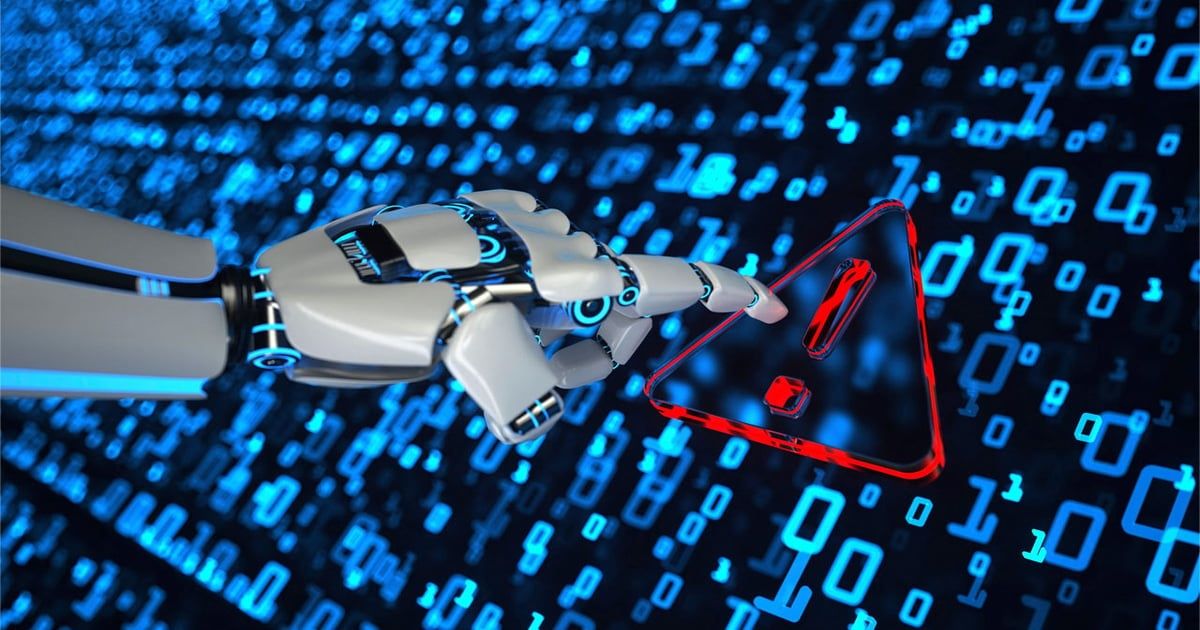
📷 Image source: eu-images.contentstack.com
Introduction: The New Frontline in Cyber Defense
When Machines Talk to Extortionists
A corporate network goes dark. Critical files are encrypted, and a threatening message flashes on every screen, demanding millions in cryptocurrency. This ransomware attack scenario, once a frantic human drama, is increasingly becoming a domain where artificial intelligence (AI) takes the first critical steps. According to informationweek.com, a new class of AI-powered tools is being deployed not just for prevention, but to autonomously engage with hackers during the initial hours of an attack.
These systems, often called 'negotiation engines' or 'digital crisis responders,' analyze the attacker's communication, assess the encrypted data's value, and formulate counter-offers. The goal is to buy time for human incident response teams, lower the final ransom payout, and gather intelligence on the adversary. This marks a profound shift in cybersecurity strategy, moving from pure defense to AI-mediated dialogue under extreme duress.
How AI Negotiation Engines Actually Work
The Mechanics of Machine-Mediated Bargaining
The process begins the moment a ransomware note is detected. The AI system, which is typically a specialized large language model (LLM) trained on thousands of past ransomware negotiations and threat actor profiles, immediately isolates the communication. It parses the note's language, identifying the ransomware variant, the hacker group's likely affiliation, and their stated demands. Crucially, it scans for specific keywords, tone, and procedural instructions to build a behavioral profile.
Simultaneously, the engine interfaces with the company's data loss prevention and asset management systems. It conducts a rapid, automated assessment to determine the scope of the encryption. It identifies which files are affected, categorizes them by business criticality—such as intellectual property, financial records, or operational databases—and estimates the potential cost of downtime. This dual analysis of both the threat and the victim's exposure forms the basis for its negotiation strategy.
The Strategic Goals: More Than Just Lowering the Ransom
Buying Time, Gathering Intelligence, and Containing Panic
While reducing the financial demand is a primary metric, security professionals cite other, equally vital objectives for deploying AI negotiators. The foremost is time dilation. By initiating a credible, automated dialogue, the AI can string the attackers along for hours or even days. This creates a precious window for forensic teams to identify the breach's entry point, contain the spread, and potentially find decryption keys without paying, according to analysis on informationweek.com.
Another key goal is intelligence gathering. Every interaction with the hackers is a data point. The AI logs response times, language shifts, and concessions, building a profile that can be shared with law enforcement and threat intelligence communities. Furthermore, by taking the initial, emotionally charged communications off the plates of stressed executives, the AI helps contain organizational panic, allowing human leaders to focus on legal, regulatory, and public relations strategies without the pressure of crafting the next chat message to criminals.
The Human-AI Handoff: When Experts Take Over
Defining the Limits of Automated Negotiation
These systems are designed as first responders, not replacements for human expertise. The handoff point is carefully defined. Typically, an AI will manage the opening volleys—the initial demand, the first counter-offer, and technical haggling over the price. It operates within a strict policy framework set by the organization, which includes absolute ceilings for offers and rules about what data can be discussed.
Human negotiators, often former law enforcement or intelligence specialists, take over when the discussion moves beyond simple price haggling. This includes verifying the attacker's capability to provide a working decryption key, discussing proof-of-life for stolen data if exfiltration occurred, and navigating complex, multi-issue negotiations where non-financial terms are introduced. The AI provides the human team with a complete transcript and behavioral analysis, giving them a calculated starting position rather than forcing them to start from zero under extreme time pressure.
Ethical and Legal Quagmires
The Controversy of Automating Payments to Criminals
The use of AI in this domain sparks intense ethical debate. Critics argue that by making ransom negotiation more efficient and less emotionally taxing, these tools could lower the barrier to paying, inadvertently fueling the ransomware economy. There is also a legal gray area. While paying ransoms is not explicitly illegal in many jurisdictions, it often violates sanctions if the attackers are linked to certain nation-states. An AI must be programmed with the latest sanctions lists, but attribution in cyberspace is notoriously difficult and slow.
Furthermore, questions of liability arise. If an AI's negotiation tactic inadvertently angers the attackers, leading them to destroy decryption keys or leak more data, who is responsible? The vendor of the AI tool, the security team that configured it, or the C-suite that approved its use? The legal precedent for this remains entirely untested, creating a significant risk for early adopters despite the potential operational benefits.
The Adversary's Counterplay: AI vs. AI
How Hackers Are Adapting to Automated Defenses
The cybersecurity landscape is an arms race, and ransomware groups are already adapting. Some sophisticated gangs now employ their own basic AI to analyze victim responses. They look for patterns that suggest they are talking to a bot, such as perfectly consistent response times, overly formal language in the face of threats, or a lack of emotional engagement. If a machine is detected, attackers might change tactics, perhaps by escalating threats more quickly or demanding to speak to a 'real person.'
This leads to a cat-and-mouse game where negotiation AI must be carefully tuned to exhibit 'human-like' imperfections—slight variations in response time, the occasional typo, or simulated frustration. Some threat actors may also use AI to generate more persuasive, personalized, and grammatically flawless extortion messages, increasing the psychological pressure on victims. The battlefield is becoming one of algorithmic social engineering versus algorithmic crisis management.
Global Perspectives and Regulatory Divergence
A Worldwide Patchwork of Approaches
The adoption and regulation of these tools vary dramatically across the world. In some European countries with strict data protection laws like the GDPR, the automated analysis of encrypted files by an AI could raise additional compliance questions about data processing. In contrast, some Asian and Middle Eastern nations, facing acute threats from certain ransomware gangs, may tacitly encourage any tool that reduces economic damage and downtime, with less public debate over the ethical implications.
International law enforcement cooperation, such as through Interpol or Europol, adds another layer of complexity. An AI negotiation conducted by a multinational corporation could involve data stored in several countries, each with different laws regarding cybercrime response and data privacy. This global patchwork makes it exceedingly difficult to create a one-size-fits-all AI negotiator, forcing vendors to create configurable policy engines that can adapt to regional legal constraints.
Technical Limitations and the Risk of Over-Reliance
What AI Negotiators Cannot Do
It is critical to understand the boundaries of this technology. These AI systems cannot magically recover encrypted data. They are a crisis management tool, not a recovery solution. They are also only as good as their training data. A novel ransomware strain from a previously unknown group may behave in ways the AI does not expect, leading to suboptimal or even counterproductive negotiation tactics.
There is a significant risk of organizational over-reliance. A company might see the AI as a 'set-and-forget' solution, allowing its human incident response muscles to atrophy. If a catastrophic attack occurs that bypasses or fools the AI, an unprepared team could be left in a far worse position. The technology should be viewed as one component in a layered defense strategy that includes robust backups, employee training, patch management, and skilled human analysts, not as a silver bullet.
The Future: Predictive Negotiation and Proactive Defense
Where the Technology is Heading Next
Looking forward, developers envision AI that moves beyond reactive negotiation to predictive intervention. By analyzing network telemetry, communication patterns, and threat intelligence feeds, future systems might identify a ransomware gang's reconnaissance activity or early-stage breach attempts days before the actual attack. The AI could then automatically trigger enhanced defenses or even initiate 'pre-negotiation' protocols, such as segmenting the most valuable data.
Another frontier is the integration of these tools with decentralized technologies. Concepts like 'digital hostage insurance' stored in smart contracts could be explored, where a pre-authorized ransom fund is released only upon verifiable proof that a valid decryption key has been provided, with the AI acting as the verifying agent. However, such concepts remain speculative and would introduce a new set of moral hazard and security challenges that the industry is not yet prepared to address.
A Case Study in Calculated Delay
Illustrating the AI's Value Proposition
Consider a mid-sized manufacturing firm hit by a ransomware attack at 2:00 AM local time on a Saturday. The demand is 500 Bitcoin (approximately $20 million at the time of the report). The AI negotiator is activated per company protocol. It immediately responds, acknowledging the note but questioning the valuation. Over the next 12 hours, it engages in slow, methodical bargaining, requesting proof of decryption for a non-critical file and arguing based on the company's public financials that the demand is unsustainable.
During this time, the human security team, now alerted and focused, discovers the attack originated from a compromised vendor account. They reset credentials, isolate the affected systems, and confirm that their offline backups from 36 hours prior are intact and clean. By the time the hackers, frustrated with the AI's pedantic haggling, lower their demand to 100 Bitcoin ($4 million), the human team is ready to execute a restoration from backup. The AI's engagement made the attackers believe payment was imminent, preventing them from launching follow-up destructive attacks, while the humans executed the actual recovery without paying a cent.
Privacy Implications in the Midst of Crisis
The Double-Edged Sword of Automated Data Assessment
A less discussed but critical aspect is privacy. For the AI to assess the value of encrypted data, it must scan and categorize it. In a crisis, this could mean the automated processing of highly sensitive employee records, customer personal data, and confidential communications. While this is done for the purpose of mitigating the attack, it creates a secondary data processing event that may not have been anticipated in the organization's privacy policies or compliance frameworks.
This creates a dilemma: to effectively negotiate, the AI needs to know what was stolen or encrypted. But in fulfilling that role, it potentially exposes every piece of data to another automated system. Companies must carefully configure these tools to operate with minimal necessary access, perhaps focusing on file metadata and directory structures rather than content, and ensure all actions are fully audited. The privacy impact assessment for deploying such an AI system must consider this invasive yet potentially lifesaving functionality.
Perspektif Pembaca
The rise of AI crisis negotiators forces a difficult societal conversation about our response to digital extortion. Does the tactical use of such tools to reduce harm represent a pragmatic adaptation to a persistent threat, or does it normalize and legitimize a criminal ecosystem by making the 'transaction' more efficient?
We want to hear your perspective. If you were a board member voting on whether to deploy an AI negotiation system for your organization, what would be the single most important factor in your decision? Share your viewpoint based on your professional experience or personal principles regarding technology, ethics, and security.
#AI #Cybersecurity #Ransomware #Technology #DataProtection


