

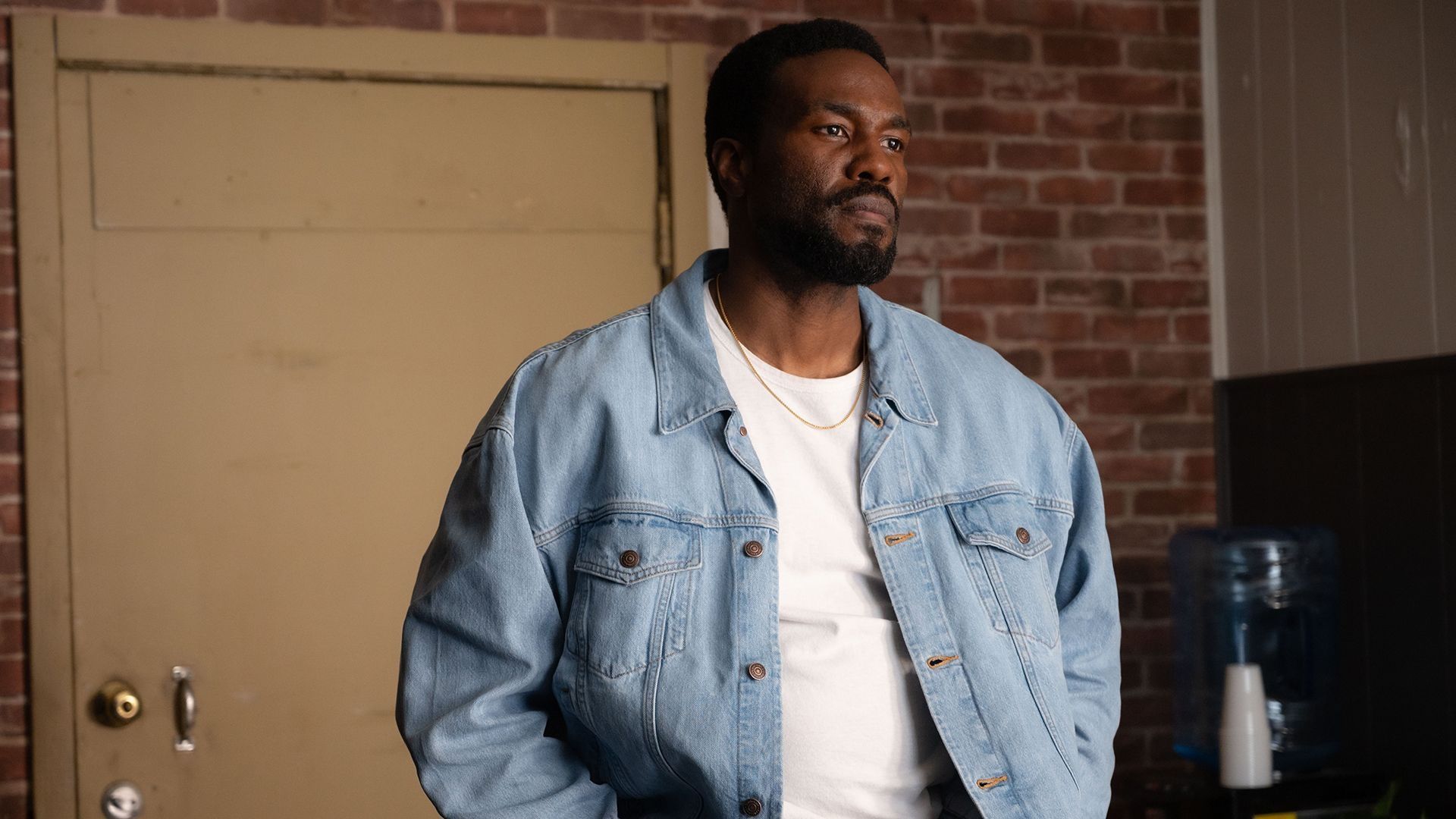
Marvel's 'Wonder Man' Breaks the Mold: Why Disney+ Is Dropping the Entire Season at Once

📷 Image source: cdn.mos.cms.futurecdn.net
A Sudden Shift in Strategy
Marvel Ditches the Weekly Drop for a Full Season Release
In a significant departure from its established formula, Marvel Studios is releasing its upcoming Disney+ series 'Wonder Man' in its entirety on the streaming platform. This move marks the first time a live-action Marvel Cinematic Universe (MCU) series will debut all episodes simultaneously, breaking from the weekly episodic model used for shows like 'WandaVision' and 'Loki'. The decision, confirmed by the show's head writer and executive producer, signals a potential strategic pivot for Disney's streaming service.
According to techradar.com, the announcement was made on 2026-01-25. The full-season drop for 'Wonder Man' represents a notable experiment for Marvel, which has built immense audience engagement through weekly cliffhangers and prolonged social media discussion. This shift raises immediate questions about viewer habits, content saturation, and the evolving economics of streaming, where subscriber retention is as crucial as acquisition.
The Creative Rationale
Head Writer Andrew Guest Explains the All-at-Once Approach
Andrew Guest, the head writer and executive producer of 'Wonder Man', provided insight into the creative reasoning behind the release strategy. He suggested that the narrative structure of the series itself lent to a binge-watching model. Guest indicated that the story, which follows actor Simon Williams as he becomes the superhero Wonder Man, is designed as a more continuous, cinematic experience rather than a series of distinct episodic chapters with individual climaxes.
Guest's comments, as reported by techradar.com, imply that the creative team advocated for this format to serve the story's pacing and character development. This positions 'Wonder Man' less as a traditional TV series and more as a long-form movie split into parts, a format that can benefit from uninterrupted viewing. The decision highlights a growing trend where creative considerations are increasingly influencing distribution models in the streaming era.
The Streaming Wars Context
Disney+ Adapts in a Crowded and Competitive Market
The move must be viewed within the intense competition of the streaming landscape. Rivals like Netflix pioneered and popularized the binge-release model, conditioning a substantial portion of the global audience to consume content that way. Other services, including Amazon Prime Video, often employ hybrid strategies, releasing two or three episodes weekly. Disney+ has remained largely committed to the weekly schedule for its major franchises, using it to drive prolonged subscription periods.
Releasing 'Wonder Man' all at once could be a tactical experiment to gauge different audience behaviors and subscription triggers. It may be an attempt to attract subscribers who prefer binge-watching or to create a concentrated surge of buzz and social media conversation over a shorter period. This experimentation is crucial as streaming services globally seek the optimal balance between maintaining subscriber momentum and satisfying diverse viewer preferences.
Audience Engagement: Weekly vs. Binge
Weighing the Pros and Cons of Each Model
The weekly release model has distinct advantages for a franchise like Marvel. It allows theories to develop, fan communities to dissect each episode in detail, and media coverage to sustain over a month or more. This extended engagement can keep a show in the cultural conversation longer, potentially acting as a recurring advertisement for the streaming service itself. Shows like 'The Mandalorian' demonstrated the immense power of weekly 'water-cooler' moments.
Conversely, the binge model offers convenience and caters to modern viewing habits where audiences desire control over their consumption pace. It can lead to intense, short-term engagement and may satisfy viewers who dislike waiting for resolutions. However, it risks a show fading from public discussion quickly after its release weekend. For Disney+, which has relied on weekly drops to ensure consistent platform traffic, shifting this paradigm for a Marvel property is a high-stakes test of audience loyalty and content strength.
The 'Wonder Man' Narrative Advantage
How the Story Itself May Benefit from a Full Drop
Andrew Guest hinted that the series' content is particularly suited for a marathon watch. 'Wonder Man' is expected to delve deeply into the Hollywood system and the nature of celebrity, as Simon Williams is a working actor before gaining powers. This satirical, behind-the-scenes look may feature longer, more nuanced character arcs and a plot that builds momentum gradually rather than in episodic bursts.
A serialized, novelistic approach can lose impact when interrupted by week-long breaks. Key thematic throughlines about identity, fame, and heroism might resonate more powerfully when experienced in closer succession. This creative justification suggests Marvel is willing to tailor distribution to a project's specific needs, moving away from a one-size-fits-all strategy. It acknowledges that not all stories generate the same kind of suspense that benefits from weekly anticipation.
Potential Risks and Industry Scrutiny
What Could Go Wrong with This Experiment?
The strategy is not without significant risk. If 'Wonder Man' fails to capture immediate and massive attention, it could vanish from the cultural radar within days without the weekly build-up to renew interest. This places enormous pressure on the quality of the entire season, as there are no subsequent episodes to redeem a slow start. The financial and algorithmic mechanics of streaming also come into play, where a single weekend of viewing might not justify production costs as effectively as weeks of sustained engagement.
Furthermore, the change could frustrate a segment of the Marvel fanbase that enjoys the ritual of weekly viewing and communal speculation. The model may also reduce the show's overall watch time metrics on the platform, a key data point for internal performance evaluation. Disney and Marvel will be analyzing not just viewership numbers, but also subscriber churn rates and social media activity patterns before and after the release to judge the experiment's success.
Historical Precedents and Comparisons
Learning from Other Franchises and Platforms
While novel for live-action MCU shows, Disney has precedent elsewhere. Some animated series and non-Marvel Star Wars shows like 'Star Wars: Visions' have been released in full. Other major franchises have experimented with hybrid models; for instance, Paramount+ released the first two episodes of 'Halo' weekly before shifting. The most direct comparison may be to Netflix's handling of major properties, which almost universally employs the all-at-once model.
The performance of Netflix's comic book shows, such as the various Marvel series before they moved to Disney+, provides mixed data. While they found audiences, they often lacked the prolonged cultural penetration of Disney+'s weekly MCU events. The 'Wonder Man' experiment will be closely watched to see if a Disney-Marvel production can achieve both the immediate splash of a Netflix release and the enduring impact of a weekly event, or if it must sacrifice one for the other.
The Broader Impact on Marvel's TV Slate
Could This Change How Future Series Are Released?
The outcome of 'Wonder Man's' release will likely influence the strategy for other announced Marvel Disney+ series. If deemed a success, we could see more character-driven or genre-specific shows adopt the binge model, while larger, universe-spanning event series retain the weekly format. This would allow Marvel to segment its content strategy, using format as a signal to audiences about the type of narrative experience they can expect.
It also opens the door for more flexible scheduling. A full-season drop could be used for mid-tier characters or more experimental storytelling, reducing the pressure for each project to dominate the cultural conversation for an entire month. This diversification of release strategies could be key to managing audience fatigue and scaling the volume of content Marvel plans to produce for its direct-to-consumer platform in the coming years.
The Data-Driven Decision
How Viewer Analytics Might Have Informed the Choice
While not explicitly stated in the source material, such a fundamental shift is undoubtedly backed by extensive data analysis. Disney+ has years of viewer behavior data, showing how audiences consume different types of Marvel content. They can analyze completion rates for weekly series versus how many viewers binge entire seasons of legacy content added to the platform. They also understand the subscription lifecycle—when people join, watch, and potentially cancel.
This data may have revealed a segment of subscribers who primarily engage with the platform through binge-watching catalog content, and 'Wonder Man' could be an attempt to better serve and retain that demographic. The decision likely results from complex modeling weighing creative intent against subscriber acquisition costs, churn rates, and total viewing hours. The explicit uncertainty here is the precise weight each data point carried in the final corporate decision, which techradar.com's report does not detail.
Global Audience Considerations
Catering to International Viewing Habits
A simultaneous global release of all episodes also aligns with the borderless nature of modern fandom. It prevents spoilers from circulating internationally due to time-zone staggered weekly releases, creating a more unified global viewing event. In markets where Disney+ is still growing, the promise of a complete story available immediately might be a stronger acquisition tool than a weeks-long commitment.
However, it also removes the opportunity for localized weekly marketing pushes and media cycles in different regions. The global conversation will be intense but brief. This approach tests whether a short, worldwide spike in engagement is more valuable than a prolonged, regionally tailored rollout. For a character like Wonder Man, who is less known globally than Spider-Man or Iron Man, a concentrated global conversation might actually be more effective in establishing his profile quickly.
The Future of Event Television
Is the Weekly 'Appointment Viewing' Model Under Threat?
The 'Wonder Man' experiment touches on a central tension in the streaming industry: the definition of event television. For years, weekly releases were seen as the way to create must-watch events. However, the sheer volume of content now available has fragmented audiences and attention spans. A full-season drop can itself become an event—a 'drop day' that subscribers circle on their calendars for a dedicated viewing weekend.
This doesn't necessarily spell the end of weekly releases, but it suggests a future of format fluidity. The most powerful franchises may still use weekly drops to maximize their cultural footprint, while other series might opt for different strategies based on their narrative goals and target audiences. The ultimate goal for Disney+ is to have a pipeline so robust that it can sustain audience interest regardless of individual show release patterns, using a mix of models to cater to all preferences.
Perspektif Pembaca
How do you prefer to experience major streaming series from franchises like Marvel? Do you relish the weekly anticipation, community speculation, and extended discussion that comes with episodic releases? Or do you value the control and immersive experience of watching an entire story at your own pace, free from spoilers and wait times?
Share your perspective on which release model you find more satisfying and why. Does the format influence your decision to subscribe to a service or your perception of a show's quality? Your viewing habits help shape the future of how these stories are delivered.
#WonderMan #Marvel #DisneyPlus #Streaming #MCU


