

Samsung Finally Gives Smart Refrigerator Owners Control Over Advertising Displays

📷 Image source: sammobile.com
The End of Unwanted Refrigerator Ads
Samsung responds to consumer demands for advertising control
Samsung has introduced a significant change to its smart refrigerator lineup that addresses one of the most common complaints about internet-connected appliances. According to sammobile.com, the company now allows owners to disable advertising content that appears on their refrigerator displays. This development comes after years of consumer frustration with unsolicited marketing messages on what many consider to be personal kitchen spaces.
The change represents a shift in how technology companies approach advertising on smart home devices. While manufacturers initially viewed appliance displays as potential revenue streams through targeted advertising, consumer pushback has forced a reconsideration of this strategy. The ability to turn off ads completely gives users back control over their kitchen environment and addresses privacy concerns that have surrounded always-connected appliances since their introduction to the market.
How the Advertising Feature Works
Understanding Samsung's smart refrigerator display system
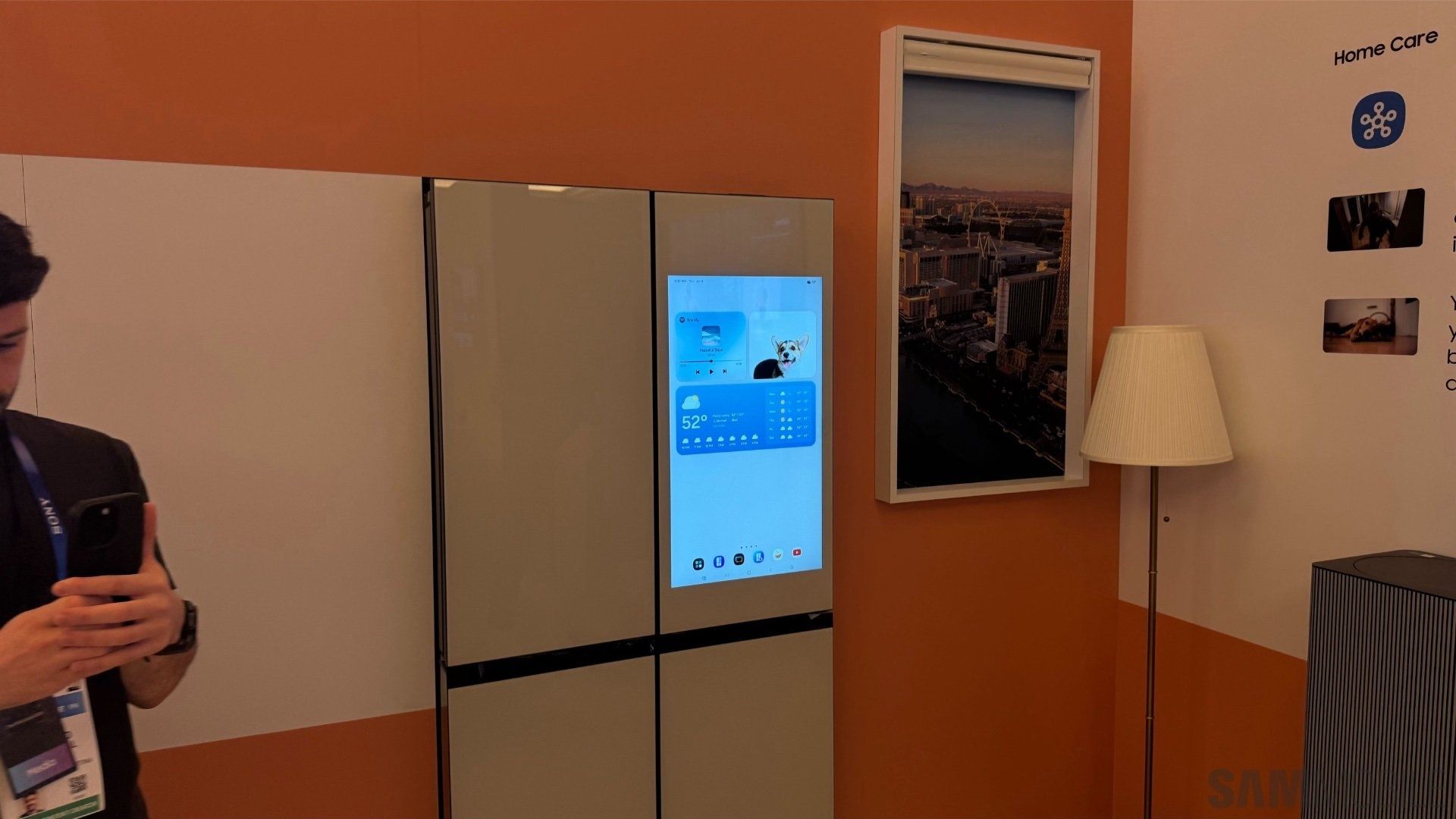
Samsung's Family Hub refrigerators feature large touchscreen displays that traditionally showed various content, including family calendars, recipe suggestions, weather information, and advertising. The advertising content typically appeared as part of the default interface, integrated with other smart features. These ads could range from promoting Samsung's own products and services to third-party partnerships with food brands and grocery delivery services.
The advertising system operates through Samsung's SmartThings platform, which connects various smart home devices. When connected to Wi-Fi, the refrigerator periodically updates its content, including promotional material. The integration meant that ads sometimes appeared alongside genuinely useful features, making it difficult for users to distinguish between helpful content and marketing messages without careful examination of each display element.
Step-by-Step Guide to Disabling Ads
Practical instructions for regaining display control
Turning off advertisements on Samsung smart refrigerators requires navigating through several menu options. Users must first access the Settings menu on their refrigerator's display, then select the 'Smart Features' option. Within this menu, there's a specific toggle switch labeled 'Marketing Communications' or similar terminology that controls advertising content. Switching this option to the off position prevents promotional content from appearing on the display.
The process varies slightly depending on the specific Family Hub model and software version. Some users may need to update their refrigerator's software to access the latest features, including the ad-disabling option. Samsung has made the setting relatively straightforward to find, though it may require scrolling through multiple menu layers. The company has not specified whether disabling ads affects any other smart features or functionality of the refrigerator.
Consumer Reaction and Industry Impact
How users responded to the advertising controversy
Consumer response to Samsung's initial advertising implementation was overwhelmingly negative across social media platforms and product review sites. Many users expressed frustration at paying premium prices for smart appliances only to encounter unwanted marketing in their kitchens. The controversy gained significant attention when users discovered they couldn't permanently disable these ads through conventional settings, leading to accusations that Samsung was prioritizing revenue over user experience.
The decision to allow ad disabling follows similar moves by other technology companies facing consumer backlash. Amazon has faced criticism for ads on Kindle devices, while various smart TV manufacturers have encountered resistance to their advertising practices. Samsung's reversal suggests that consumer pressure can effectively influence corporate policy, even in the competitive smart home appliance market where additional revenue streams are tempting for manufacturers.
Privacy Considerations in Smart Appliances
Data collection concerns in connected kitchens
Smart refrigerators raise significant privacy questions beyond mere advertising discomfort. These appliances typically collect data about usage patterns, food inventory (through internal cameras or manual input), and household routines. While Samsung states that this data helps improve user experience and provide personalized services, privacy advocates have expressed concerns about how this information might be used for targeted advertising or shared with third parties.
The ability to disable ads doesn't necessarily address all privacy concerns, as data collection may continue for other purposes. Users concerned about comprehensive privacy protection should review the refrigerator's complete privacy settings and understand what data continues to be collected even with advertising disabled. Samsung's privacy policy outlines data handling practices, but the technical implementation of these policies in smart appliances remains somewhat opaque to average consumers.
The Evolution of Smart Appliance Interfaces
From basic controls to comprehensive displays
Refrigerator interfaces have evolved dramatically from simple temperature dials to the sophisticated touchscreens found on modern smart models. Early smart refrigerators focused primarily on food management features, allowing users to track expiration dates and create shopping lists. As display technology advanced, manufacturers began incorporating entertainment features, communication tools, and eventually advertising as additional functionality.
This evolution reflects broader trends in the Internet of Things (IoT) industry, where manufacturers seek to justify premium pricing through increasingly sophisticated features. However, the addition of advertising represents a controversial chapter in this development, blurring the line between appliance and advertising platform. Samsung's new policy suggests manufacturers may be reconsidering how aggressively to monetize display real estate on appliances that occupy intimate home spaces.
Comparative Approaches in the Industry
How other manufacturers handle appliance advertising
Samsung is not alone in exploring advertising on smart appliances, though approaches vary across the industry. LG's smart refrigerators have generally taken a more conservative approach to third-party content, focusing instead on proprietary services and partnerships that feel more integrated with core appliance functions. Other manufacturers have experimented with subscription models that remove ads for a monthly fee, similar to approaches seen in streaming services and mobile applications.
The variation in strategies reflects uncertainty about the best way to monetize smart appliance features without alienating consumers. Some manufacturers prioritize user experience over additional revenue streams, while others view displays as untapped advertising space. Samsung's decision to offer an opt-out rather than a paid subscription suggests a recognition that mandatory advertising on premium appliances may ultimately damage brand perception and customer loyalty in the competitive home appliance market.
Technical Implementation Challenges
The complexity behind simple toggle switches
Implementing an advertising toggle involves more technical complexity than might be immediately apparent. The system must distinguish between different types of content—core features, helpful recommendations, and pure advertising—while maintaining seamless user experience. Engineers must ensure that disabling ads doesn't accidentally remove legitimate functionality or cause system instability in the refrigerator's interface.
Additionally, the update process for existing refrigerators presents logistical challenges. Unlike smartphones that regularly receive software updates, appliances often have less frequent update cycles and varying capabilities across models. Samsung must ensure that the ad-disabling feature works consistently across different Family Hub generations and doesn't create performance issues for older hardware that might struggle with modified software configurations.
Economic Implications for Smart Appliance Market
Balancing revenue streams and consumer satisfaction
The advertising debate touches on fundamental questions about the business model for smart appliances. Manufacturers invest significantly in developing sophisticated displays and connectivity features, and advertising represents one potential way to recoup these investments beyond initial sales. However, consumer resistance suggests that this approach may backfire if implemented without sufficient user control.
The decision to allow ad disabling may influence how manufacturers price future smart appliances. Without advertising revenue, companies might need to adjust pricing structures or find alternative monetization strategies that consumers find more acceptable. This could include premium subscriptions for enhanced features, expanded service partnerships, or simply higher upfront costs that more accurately reflect the development expenses of sophisticated smart features.
Future Directions for Smart Kitchen Technology
Where appliance interfaces might head next
The advertising controversy represents a growing pain in the maturation of smart home technology. As consumers become more sophisticated about their digital rights and privacy expectations, manufacturers must balance innovation with respect for personal space. Future smart appliances may focus more on genuinely useful integrations with other smart home systems rather than attempting to become standalone entertainment or advertising platforms.
Artificial intelligence and machine learning could enable more personalized kitchen experiences without relying on intrusive advertising. Refrigerators might suggest recipes based on actual contents, automatically order groceries when supplies run low, or adjust energy usage based on household patterns—all without displaying third-party promotions. The current advertising debate may ultimately push the industry toward more user-centric applications of display technology that enhance rather than detract from the appliance's primary functions.
User Experience Considerations
Designing interfaces that respect user attention
The fundamental challenge in smart appliance interface design lies in creating displays that provide value without becoming distracting or intrusive. Kitchen appliances exist in functional spaces where users typically want quick access to specific information or controls. Advertising content often conflicts with this purpose by adding visual clutter and competing for attention with genuinely useful features like temperature settings or inventory management.
Good interface design should prioritize the user's goals and context. In a kitchen environment, this means providing immediate access to appliance controls, displaying relevant information at a glance, and minimizing unnecessary distractions. Samsung's decision to allow ad removal acknowledges that marketing content often works against these design principles, particularly in environments where focus and efficiency are valued over entertainment or discovery of new products and services.
Perspektif Pembaca
Sharing experiences with smart home technology
How has the integration of smart features changed your relationship with household appliances? Have display screens and connectivity enhanced your daily routines, or created new frustrations and complications? We're interested in hearing about your experiences with the evolving boundary between functional tools and connected devices in home environments.
Share your perspective on the appropriate balance between smart features and simplicity in kitchen appliances. Do you prefer appliances that focus exclusively on their core functions, or do you appreciate additional features like recipe suggestions, entertainment integration, and family organization tools—even if they sometimes include advertising or require data sharing?
#Samsung #SmartRefrigerator #Advertising #Privacy #SmartHome


