

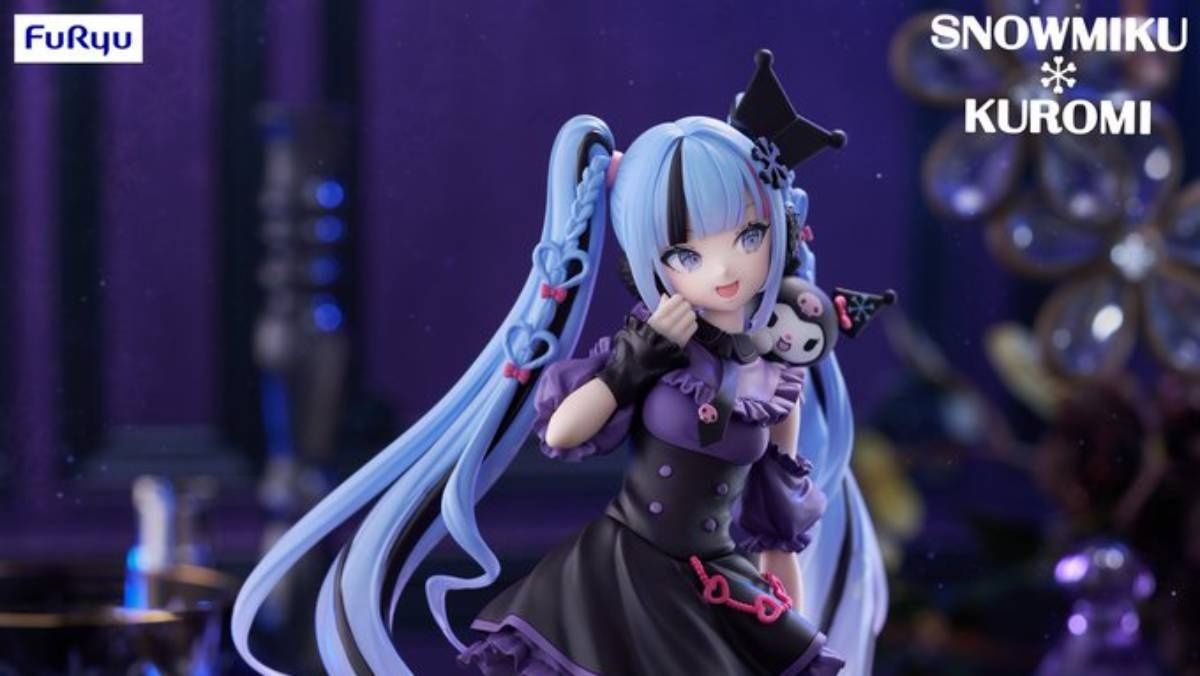
Sanrio Meets Crypton: Kuromi-Themed Snow Miku Figure Blends Gothic Lolita Fashion with Virtual Idol Culture

📷 Image source: siliconera.com
An Unprecedented Collaboration
When Two Japanese Pop Culture Icons Converge
A groundbreaking fusion of virtual idol and Sanrio character aesthetics has emerged with the announcement of a Snow Miku figure featuring Kuromi's distinctive gothic lolita style. According to siliconera.com, this collaborative figure represents the first time these two beloved characters from different creative universes have merged in such a detailed collectible form. The figure transforms the typically blue-and-white themed Snow Miku into a black-and-purple gothic vision while maintaining the virtual singer's signature twin tails and recognizable silhouette.
The collaboration between Crypton Future Media's Hatsune Miku franchise and Sanrio's Kuromi character demonstrates how Japanese character companies are increasingly crossing traditional boundaries to create innovative products. This figure follows previous Snow Miku seasonal designs that have featured various winter-themed outfits, but marks the first major crossover with another character franchise. The gothic lolita fashion style, which combines Victorian-era clothing elements with a dark aesthetic, provides a striking contrast to Snow Miku's usual cheerful winter themes.
Design Elements and Aesthetic Transformation
From Winter Princess to Gothic Angel
The figure showcases Snow Miku wearing an elaborate black and purple gothic lolita dress accented with lace, ribbons, and intricate details that reflect Kuromi's signature color scheme. According to siliconera.com's October 15, 2025 report, the design incorporates Kuromi's trademark devil horn headpiece and tail while maintaining Miku's iconic twin tails, creating a hybrid character appearance that honors both franchises. The dress features multiple layers of fabric, with the underskirt displaying a pattern reminiscent of Kuromi's face and pink accent colors that provide contrast to the dominant dark palette.
The transformation extends beyond clothing to include thematic elements that blend both characters' personalities. Snow Miku's usual snowflake and ice crystal motifs are reinterpreted through a gothic lens, with crystalline structures taking on darker hues and sharper angles. The figure's base incorporates elements that reference both Miku's winter theme and Kuromi's rebellious personality, creating a display that tells a visual story about this unusual character fusion. This attention to detail in the design process suggests significant coordination between the creative teams at both companies.
The Snow Miku Phenomenon
Understanding the Seasonal Tradition
Snow Miku represents a seasonal variant of the virtual singer Hatsune Miku that first appeared in 2010 as part of the Sapporo Snow Festival in Hokkaido, Japan. Each year, fans vote on a theme for the upcoming Snow Miku design, with the winning concept being developed into official merchandise, figures, and festival decorations. This democratic approach to character design has made Snow Miku particularly beloved among fans, as it incorporates community input directly into the creative process and ensures the character remains fresh and relevant.
The Snow Miku project has evolved from a simple winter-themed variant into a comprehensive annual tradition that includes not just figure releases but also themed events, music productions, and extensive merchandise lines. Previous Snow Miku designs have drawn inspiration from various winter concepts including snow rabbits, northern lights, and fairy tale themes. The Kuromi collaboration represents a significant departure from these traditional winter inspirations, marking the first time the Snow Miku design has incorporated elements from an entirely separate character franchise rather than seasonal or natural themes.
Kuromi's Character Profile and Appeal
Sanrio's Rebellious Anti-Heroine
Kuromi first appeared in the Sanrio universe in 2005 as a counterpart to the popular My Melody character, establishing herself as the 'bad girl' of the Sanrio roster with her mischievous personality and gothic aesthetic. Despite her self-proclaimed villain status, Kuromi has developed a substantial fanbase drawn to her rebellious spirit and distinctive fashion sense. Her design features a black jester's hat with a pink skull, a tail, and typically dark clothing that contrasts sharply with the pastel colors common among other Sanrio characters.
The character's popularity has grown steadily since her introduction, particularly among older fans who appreciate her more mature aesthetic compared to traditionally cute Sanrio characters. Kuromi's appeal lies in her complexity—while she presents herself as tough and rebellious, official character materials often reveal a softer side that emerges in her friendship with My Melody and her romantic aspirations. This character depth, combined with her striking visual design, has made her an ideal candidate for crossovers that target both dedicated Sanrio fans and those who prefer darker aesthetics.
Manufacturing and Technical Specifications
Crafting a Detailed Collectible
While siliconera.com's report doesn't specify the exact manufacturer, scale, or production materials, high-quality anime figures typically utilize PVC (polyvinyl chloride) and ABS (acrylonitrile butadiene styrene) plastics for their durability and capacity for fine detail. Based on industry standards for similar collaborative figures, the Snow Miku Kuromi edition likely stands approximately 20-25 centimeters (8-10 inches) tall and features multiple parts that require careful assembly during the manufacturing process. The intricate details of the gothic lolita dress would necessitate sophisticated molding techniques to capture the lace patterns, ribbon textures, and layered clothing elements.
The painting process for such figures typically involves both machine application for base colors and hand-painting for finer details and shading effects. The contrast between the black and purple elements of Kuromi's color scheme and the traditional Snow Miku blue would require precise color separation during production. Figures of this complexity often include additional accessories or alternative parts, though the siliconera.com report doesn't specify if this particular release includes such extras. The manufacturing timeline for such collaborative projects typically spans several months from initial design approval to final production.
Collector's Market Implications
Rarity and Investment Potential
Collaborative figures between major franchises typically generate significant interest in the collector's market due to their limited availability and unique nature. The Snow Miku Kuromi figure represents a particularly valuable addition to collections because it bridges two distinct fan communities—vocal synth enthusiasts and Sanrio collectors. Historical data from previous limited edition Snow Miku releases suggests that such figures often appreciate in value on the secondary market, especially when production numbers are limited or the design represents a significant departure from tradition.
The crossover nature of this figure makes it appealing to multiple collector demographics simultaneously. Vocal synth collectors may view it as an unusual variant within their Snow Miku collections, while Sanrio enthusiasts might consider it a unique representation of Kuromi outside her usual context. The gothic lolita fashion element adds further appeal to fashion doll collectors and those interested in alternative Japanese subcultures. This multi-demographic appeal typically results in stronger aftermarket performance compared to standard character releases, though specific production numbers and pricing information weren't provided in the source material.
Cultural Context of Character Crossovers
The Evolution of Collaborative Merchandising
Character crossovers have become increasingly common in Japanese pop culture merchandise over the past decade, reflecting a strategic approach to expanding fanbases and creating novel products. These collaborations allow companies to leverage the established popularity of multiple franchises while minimizing the development risks associated with entirely new intellectual properties. The Snow Miku and Kuromi collaboration follows this trend while representing a particularly thoughtful pairing given the visual and thematic compatibility between the gothic lolita aesthetic and Snow Miku's existing design framework.
Successful character crossovers typically require balancing recognition factors from both franchises while creating a cohesive final product that doesn't feel like a forced combination. The Snow Miku Kuromi figure appears to achieve this balance by maintaining Miku's core visual identifiers—the twin tails, general silhouette, and seasonal theme—while incorporating Kuromi's color scheme, fashion style, and accessory elements. This approach respects both character identities while creating something genuinely new, unlike simpler collaborations that might merely place one character's logo on another character's merchandise.
Fashion Subculture Integration
Gothic Lolita in Character Design
The gothic lolita fashion style originated in Japan during the 1990s as a substyle of the broader Lolita fashion movement, characterized by its Victorian-inspired clothing, dark color palettes, and elaborate accessories. While initially an underground fashion trend, gothic lolita has gradually influenced mainstream character design through series like Rozen Maiden, Black Butler, and various visual kei bands. The incorporation of this style into the Snow Miku Kuromi figure represents a continuation of this trend while making the aesthetic accessible to audiences who might not otherwise encounter it.
The specific implementation of gothic lolita elements in the figure appears carefully considered rather than superficial. According to the siliconera.com report, the dress includes key gothic lolita components such as a bell-shaped skirt, blouse with ruffled cuffs, knee-high socks or stockings, and a headdress—all in the appropriate color scheme. This attention to authentic fashion details distinguishes the design from simple 'dark versions' of characters and demonstrates respect for the source subculture. Such thoughtful integration can help introduce fashion subcultures to new audiences while providing existing enthusiasts with representation in mainstream merchandise.
Marketing Strategy and Target Demographics
Bridging Fan Communities
The collaboration between Snow Miku and Kuromi represents a strategic marketing approach that targets multiple consumer segments simultaneously. The Hatsune Miku franchise typically appeals to technology enthusiasts, music fans, and anime followers, while Sanrio's audience includes character goods collectors, cute culture enthusiasts, and fashion-conscious consumers. By combining these elements, the figure potentially attracts both established fans and new customers who might be drawn to the unique combination rather than either franchise individually.
Limited edition collaborative figures often serve as gateway products that introduce consumers to franchises they haven't previously explored. A Sanrio collector who purchases the Snow Miku Kuromi figure might subsequently investigate other Hatsune Miku merchandise, while a vocal synth enthusiast might develop interest in additional Sanrio characters. This cross-pollination effect can significantly expand both companies' consumer bases while creating opportunities for future collaborations. The timing of the announcement, as reported by siliconera.com on October 15, 2025, positions the figure for the holiday shopping season, though specific release dates weren't provided in the source material.
Global Reception and Cultural Translation
International Appeal of Japanese Character Goods
Japanese character merchandise has developed substantial international markets, particularly in North America, Europe, and other Asian countries. Both Hatsune Miku and Sanrio characters have established global recognition, though their appeal manifests differently across regions. The Snow Miku Kuromi figure's combination of elements may resonate particularly well with international audiences who appreciate Japanese pop culture but might not specialize in either franchise individually. The gothic lolita fashion element adds further international appeal, as this style has developed dedicated followings worldwide.
Cultural translation considerations likely influenced the design process, as collaborative products intended for global markets must balance authentic Japanese elements with accessibility for international consumers. The figure appears to maintain distinctly Japanese character design sensibilities while incorporating fashion elements that have achieved global recognition. This balance makes the product potentially more exportable than designs that rely heavily on culturally specific references that might not translate effectively. The multilingual packaging and promotional materials typical of such releases would further support international distribution, though specific details about regional availability weren't included in the source report.
Production Timeline and Development Process
From Concept to Collectible
The development of collaborative figures typically involves multiple stages including initial concept approval, character design, 3D modeling, prototype creation, manufacturing planning, and final production. For a crossover of this significance between two major franchises, the process likely required approval from both Crypton Future Media and Sanrio, followed by close collaboration between their respective design teams. The siliconera.com report doesn't specify the development timeline, but similar figures typically require 12-18 months from initial concept to finished product, suggesting development may have begun in early to mid-2024.
The design process would have involved careful consideration of how to balance both characters' identifying features while creating a cohesive final product. Early concepts likely explored different approaches to integrating Kuromi elements into the Snow Miku framework, with the gothic lolita dress emerging as the most effective method for honoring both characters. The final design appears to have successfully merged visual elements without compromising either character's recognizability—a challenging balance that requires multiple iterations and feedback from both companies' creative directors. The manufacturing phase would have involved creating precise molds for the intricate dress details and establishing painting protocols for the complex color scheme.
Future Collaboration Possibilities
Expanding the Crossover Concept
The success of the Snow Miku Kuromi collaboration could potentially lead to additional crossovers between the Hatsune Miku and Sanrio franchises. Other Sanrio characters with distinctive visual styles—such as Little Twin Stars, Cinnamoroll, or Pompompurin—might provide interesting design challenges for future Snow Miku variants or other seasonal Miku designs. Conversely, Miku-themed interpretations of Sanrio characters could offer another direction for collaboration, though the siliconera.com report doesn't indicate whether such reciprocal designs are under consideration.
Beyond specific character crossovers, the collaboration demonstrates the potential for further integration between virtual idol culture and traditional character merchandise. Future projects might incorporate interactive elements, augmented reality features, or musical collaborations that blend Miku's vocal synth capabilities with Sanrio's character branding. The boundaries between different types of Japanese pop culture franchises have become increasingly permeable in recent years, with collaborations expanding beyond simple merchandise to include video games, fashion lines, and even cafe collaborations. The Snow Miku Kuromi figure represents just one manifestation of this broader trend toward cross-franchise innovation.
Perspektif Pembaca
Share Your Perspective
Which aspect of this unusual character collaboration most captures your interest? Are you drawn primarily to the fashion elements, the merging of two iconic franchises, or the creative reinterpretation of familiar characters? How do you feel about the trend of increasing crossovers between previously separate character universes in Japanese pop culture?
For collectors and enthusiasts of either franchise, does this collaboration enhance your appreciation for both characters, or do you prefer when franchises remain separate? What other unexpected character combinations would you like to see explored in future collaborative merchandise? Your perspective on the evolving landscape of character design and crossover culture provides valuable insight into how these creative decisions resonate with audiences.
#SnowMiku #Kuromi #VirtualIdol #GothicLolita #AnimeFigures #Sanrio


