

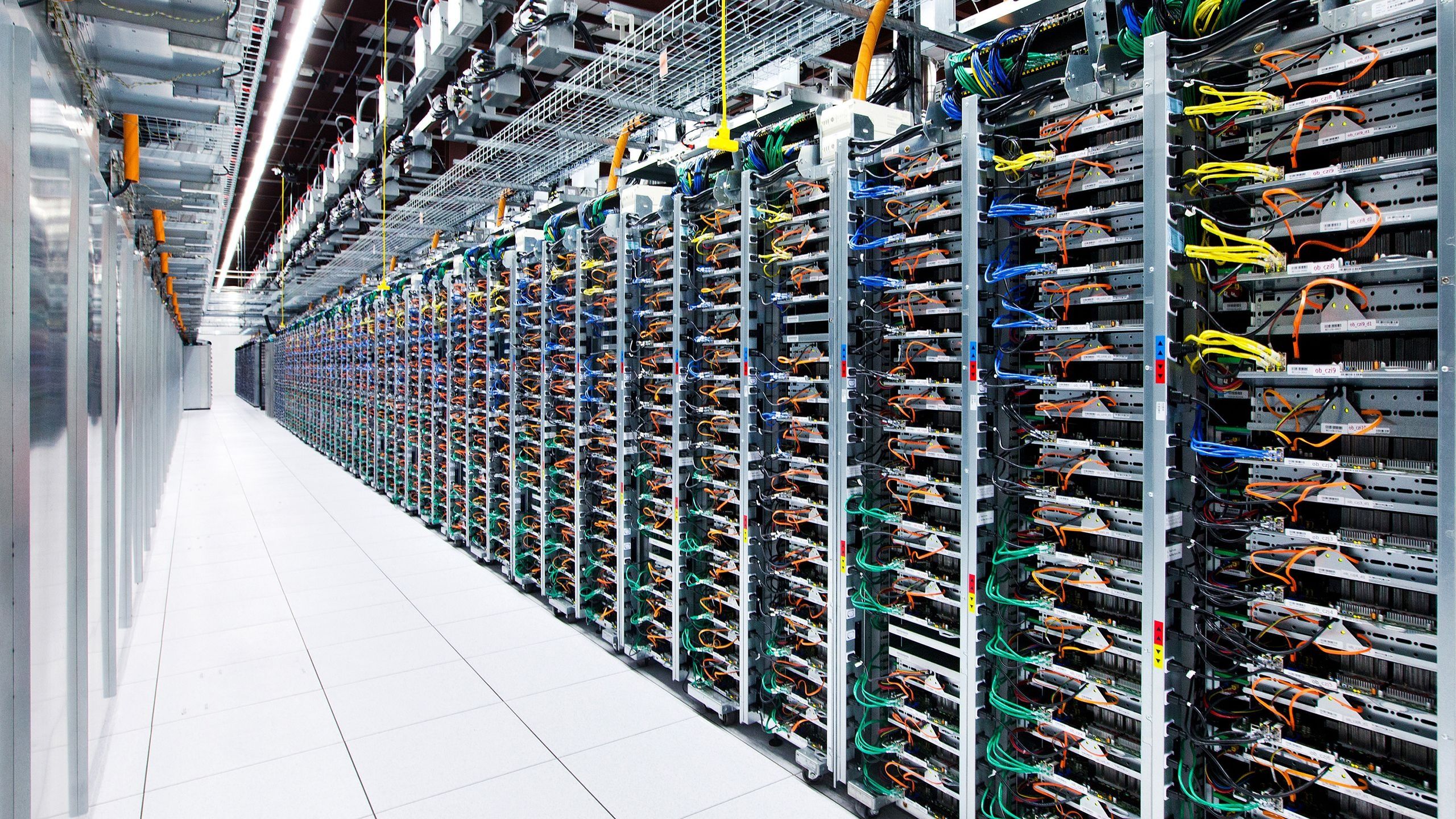
Jeff Bezos Predicts Orbital Data Centers Within Two Decades, Citing Natural Cooling and Solar Advantages

📷 Image source: cdn.mos.cms.futurecdn.net
The Vision for Space-Based Computing
Amazon founder outlines ambitious timeline for orbital infrastructure
Jeff Bezos has revealed his vision for deploying data centers in space within the next 10 to 20 years, according to tomshardware.com. The Amazon founder and Blue Origin executive made these remarks during a recent public appearance, suggesting that orbital data centers could solve two fundamental challenges facing terrestrial computing: cooling efficiency and power consumption.
Bezos specifically highlighted how the vacuum of space could enable natural cooling for computing hardware, eliminating the need for complex and energy-intensive cooling systems currently used in Earth-based data centers. This radical approach to infrastructure represents what Bezos described as thinking at the 'planetary scale' about computational needs.
The Cooling Revolution in Vacuum
How space environment transforms thermal management
According to the tomshardware.com report published on October 3, 2025, Bezos explained that in space, 'you can get rid of heat by radiation.' This fundamental difference from Earth-based cooling methods could dramatically reduce the energy requirements for maintaining optimal operating temperatures in data centers.
The current cooling systems for large-scale computing facilities consume massive amounts of energy and water. Bezos's vision suggests that by leveraging the natural properties of space, we could eliminate these resource-intensive systems entirely. The vacuum environment provides what amounts to an infinite heat sink, allowing equipment to radiate heat directly into space without the limitations of atmospheric conduction or convection.
Solar Power Advantages in Orbit
Uninterrupted energy harvesting beyond Earth's atmosphere
Beyond cooling benefits, Bezos pointed to the superior solar power generation capabilities available in space. Orbital data centers could tap into nearly continuous sunlight without atmospheric interference or day-night cycles that limit Earth-based solar installations.
According to the tomshardware.com coverage, Bezos noted that in space, 'you have full sun 24/7.' This represents a significant advantage over terrestrial solar power, which typically operates at only 15-25% capacity factor due to nighttime, weather conditions, and atmospheric absorption. The constant power availability could support the enormous energy demands of future AI and computing workloads without the intermittency challenges of renewable energy on Earth.
The Technical Implementation Challenge
Building and maintaining orbital computing infrastructure
While the concept sounds revolutionary, Bezos acknowledged the substantial technical hurdles that must be overcome. The tomshardware.com report indicates that Bezos described the implementation timeline as '10 to 20 years,' suggesting this represents a long-term vision rather than an immediate project.
The challenges include not only launching the necessary hardware into orbit but also developing maintenance protocols for equipment that cannot be physically accessed for repairs. Radiation hardening of computing components would be essential, as space-based electronics face constant bombardment from cosmic rays and solar radiation that can cause computational errors and hardware degradation.
Blue Origin's Role in Space Infrastructure
Connecting the vision to practical space access
Bezos's remarks gain particular significance given his role as founder of Blue Origin, the private space company working to reduce the cost of space access. According to tomshardware.com, the vision for space-based data centers aligns with Blue Origin's broader mission to enable humanity's expansion into space.
The company's development of reusable rocket technology and work on orbital habitats suggests they're building the foundational capabilities that could eventually support such ambitious projects. Could Blue Origin's New Glenn rocket and future spacecraft provide the transportation backbone for deploying and servicing orbital data centers? The timeline Bezos outlined suggests these developments may be closer than many anticipate.
Environmental Implications and Sustainability
Potential benefits for Earth's ecosystem
One compelling aspect of Bezos's vision involves the environmental benefits of moving energy-intensive computing operations off-planet. According to the tomshardware.com report, space-based data centers could reduce the terrestrial environmental footprint of the digital economy.
Data centers currently account for approximately 1-2% of global electricity consumption, with cooling systems representing a substantial portion of that energy use. By eliminating the need for active cooling and tapping into unlimited solar power, orbital data centers could significantly reduce the carbon emissions associated with our increasingly digital world. This approach represents a fundamentally different strategy for sustainable computing compared to simply improving the efficiency of Earth-based facilities.
Industry Context and Competing Visions
How Bezos's concept fits with broader tech trends
The tomshardware.com article places Bezos's comments within the context of increasing computational demands driven by artificial intelligence and other data-intensive technologies. As AI models grow exponentially larger, the infrastructure required to support them is becoming a critical constraint.
Other technology leaders have proposed different solutions to the computing infrastructure challenge, including underwater data centers, Arctic installations, and improved efficiency through novel chip architectures. Bezos's space-based approach represents perhaps the most ambitious vision for addressing these challenges at the systemic level rather than through incremental improvements to existing infrastructure.
Economic and Regulatory Considerations
The business and legal framework for orbital computing
According to tomshardware.com, implementing Bezos's vision would require not only technological breakthroughs but also the development of new economic and regulatory frameworks. The legal status of orbital facilities, spectrum allocation for data transmission, and international agreements governing space-based infrastructure would all need to be addressed.
The economic model for space-based data centers would need to account for the high initial launch costs against long-term operational savings from reduced energy and cooling requirements. As launch costs continue to decline through reusable rocket technology, the business case for such facilities may become increasingly compelling, particularly for applications where latency requirements permit the additional transmission time to and from orbit.
The Path Forward and Timeline
From vision to implementation in the coming decades
Bezos's 10-to-20-year timeline suggests we could see the first operational space-based data centers by the mid-2030s to 2040s, according to the tomshardware.com reporting. This ambitious schedule would require rapid progress in multiple technology domains simultaneously.
The development path would likely begin with smaller-scale demonstrations and gradually progress to operational facilities. Early implementations might focus on specific applications where the space environment provides unique advantages, eventually expanding to broader computing workloads as the technology matures and costs decrease. The vision represents a fundamental rethinking of where and how we perform the computational work that underpins modern society.
#SpaceDataCenters #JeffBezos #OrbitalComputing #SolarPower #CoolingTechnology


