

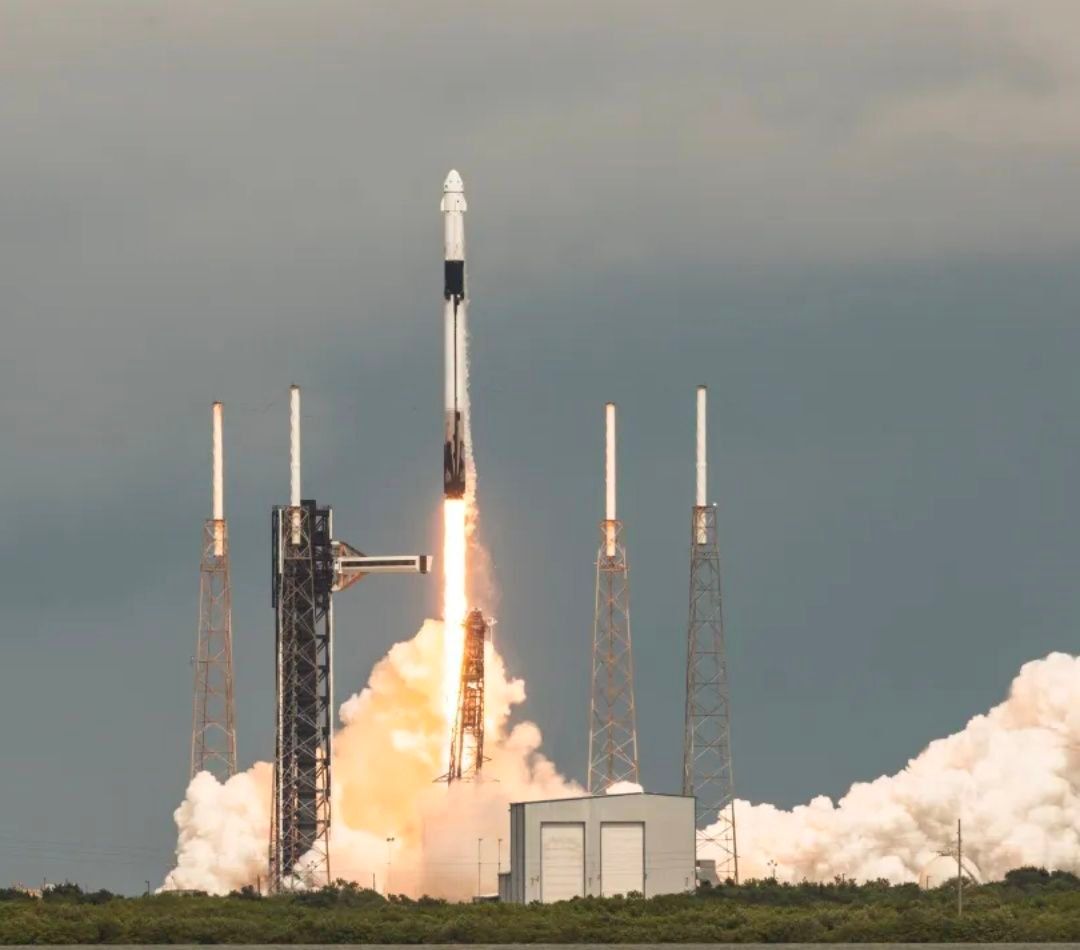
SpaceX Cleared for Major Expansion of Florida Rocket Launches

📷 Image source: ik.imagekit.io
Regulatory Breakthrough for SpaceX Launch Operations
FAA Approval Unlocks New Era of Launch Frequency
The Federal Aviation Administration has granted SpaceX permission to conduct up to 120 Falcon 9 launches annually from Space Launch Complex 40 in Florida, according to techcrunch.com. This represents more than double the previous limit of 60 launches per year from this key facility.
The approval marks a significant regulatory milestone for commercial space operations, potentially transforming the launch landscape at Cape Canaveral. This expansion capacity could position Florida's Space Coast as the world's busiest orbital launch complex, surpassing other global spaceports in annual launch frequency.
The Technical Backbone: Falcon 9's Reusability Revolution
How Rocket Reusability Enables Rapid Launch Cadence
SpaceX's ability to achieve such high launch frequencies stems from the Falcon 9's reusability technology. The rocket's first stage can land vertically after launch, either on drone ships in the ocean or on land-based pads, then be refurbished for subsequent missions.
This reusability mechanism has reduced both costs and turnaround times dramatically. Where traditional rockets were single-use vehicles requiring complete rebuilding, Falcon 9 boosters can sometimes be reflown within weeks, creating the operational tempo needed to support monthly or even weekly launches from the same facility.
Infrastructure and Environmental Considerations
Balancing Expansion with Environmental Stewardship
The increased launch rate required thorough environmental review and mitigation measures. The FAA's approval came with specific conditions addressing noise, wildlife protection, and air quality concerns in the surrounding Merritt Island National Wildlife Refuge.
SpaceX must implement advanced monitoring systems and adhere to strict operational protocols to minimize ecological impact. These include limitations on nighttime launches, seasonal restrictions during wildlife nesting periods, and continuous environmental monitoring to ensure compliance with conservation requirements.
Global Launch Site Competition Intensifies
Florida's Position in the International Space Race
This expansion places Florida's Space Coast in direct competition with other major global spaceports, including Baikonur Cosmodrome in Kazakhstan, Guiana Space Centre in French Guiana, and China's Wenchang Satellite Launch Center. Each location offers different geographical advantages for various orbital inclinations.
The increased capacity could attract more international satellite operators to choose SpaceX and Florida for their launch needs. This competitive pressure may drive other spaceports and launch providers to streamline their own operations and regulatory processes to remain competitive in the global market.
Economic Impact on Florida's Space Coast
Job Creation and Regional Development Implications
The higher launch frequency is expected to generate significant economic benefits for Florida's Space Coast region. According to industry analysts, each launch generates substantial local spending on services, accommodations, and support industries.
This expansion could create hundreds of additional high-tech jobs in rocket processing, payload integration, and launch operations. The increased activity may also stimulate growth in related sectors including aerospace manufacturing, engineering services, and tourism centered around launch viewing.
Space Traffic Management Challenges
Addressing Orbital Congestion Concerns
With potentially 120 launches annually from just one complex, space traffic management becomes increasingly critical. Each launch creates temporary exclusion zones in airspace and requires careful coordination with aviation authorities to ensure aircraft safety.
The increased frequency also raises questions about orbital debris management and collision avoidance. Regulatory bodies worldwide are developing new frameworks to handle the growing number of objects in space, with SpaceX's expansion adding urgency to these international coordination efforts.
Historical Context: From Apollo to Commercial Era
Evolution of Launch Frequency Over Decades
The approved launch rate represents a dramatic shift from historical norms. During the Apollo era, NASA conducted perhaps a dozen major launches annually across all programs. The Space Shuttle program averaged 4-5 missions per year at its peak.
This transformation from government-paced exploration to commercial-driven frequency reflects the broader shift in space activities worldwide. Other commercial spaceports, including those in New Zealand, Sweden, and Scotland, are watching these developments closely as they design their own regulatory frameworks.
Technical Limitations and Operational Realities
Practical Constraints on Maximum Launch Rate
While regulatory approval exists for 120 launches, achieving this maximum in practice involves numerous technical and operational challenges. Weather conditions, range safety constraints, and vehicle processing timelines all impose practical limits on actual launch frequency.
SpaceX must also coordinate with other launch providers using Eastern Range facilities, including United Launch Alliance and Blue Origin. The range's ability to support multiple providers simultaneously will be tested as launch rates increase across all companies operating from Florida.
Global Satellite Industry Implications
Meeting Growing Demand for Space Access
The increased launch capacity comes as global demand for satellite deployment grows exponentially. Mega-constellations like SpaceX's own Starlink, Amazon's Project Kuiper, and various government and commercial constellations require hundreds of launches over coming years.
This expansion helps address the global launch capacity shortage that has constrained satellite deployment timelines. Other launch providers worldwide are similarly scaling up operations, but SpaceX's reusability advantage gives it particular scalability in meeting this growing international demand.
Safety and Reliability Considerations
Maintaining Standards Amid Rapid Expansion
The increased launch frequency raises questions about maintaining safety and reliability standards. SpaceX will need to demonstrate that its accelerated operations don't compromise rigorous safety protocols or quality control measures that are essential for successful missions.
International aviation and space agencies monitor these developments closely, as safety practices developed by leading commercial providers often influence global standards. Any incidents could have implications for regulatory approaches worldwide, making consistent performance crucial for the entire industry.
Future Expansion and Technological Evolution
Beyond Falcon 9: Preparing for Next-Generation Systems
This approval primarily addresses Falcon 9 operations, but SpaceX is simultaneously developing its larger Starship system. The company's long-term vision involves transitioning to Starship for most missions, which could eventually support even higher flight rates with greater payload capacity.
The regulatory framework established for Falcon 9's expanded operations may set precedents for future vehicle approvals. Other companies developing reusable launch systems are watching how regulators adapt to increased launch tempo, as this will affect their own operational planning and regulatory strategies globally.
Global Perspectives
International Dialogue on Space Infrastructure
How should the international community collaboratively manage the increasing congestion in both airspace and orbital environments as launch rates grow worldwide?
What balance should regulators strike between enabling commercial space growth and ensuring environmental protection, particularly for spaceport regions with sensitive ecosystems like those surrounding many global launch sites?
#SpaceX #FAA #RocketLaunches #SpaceCoast #Falcon9


