

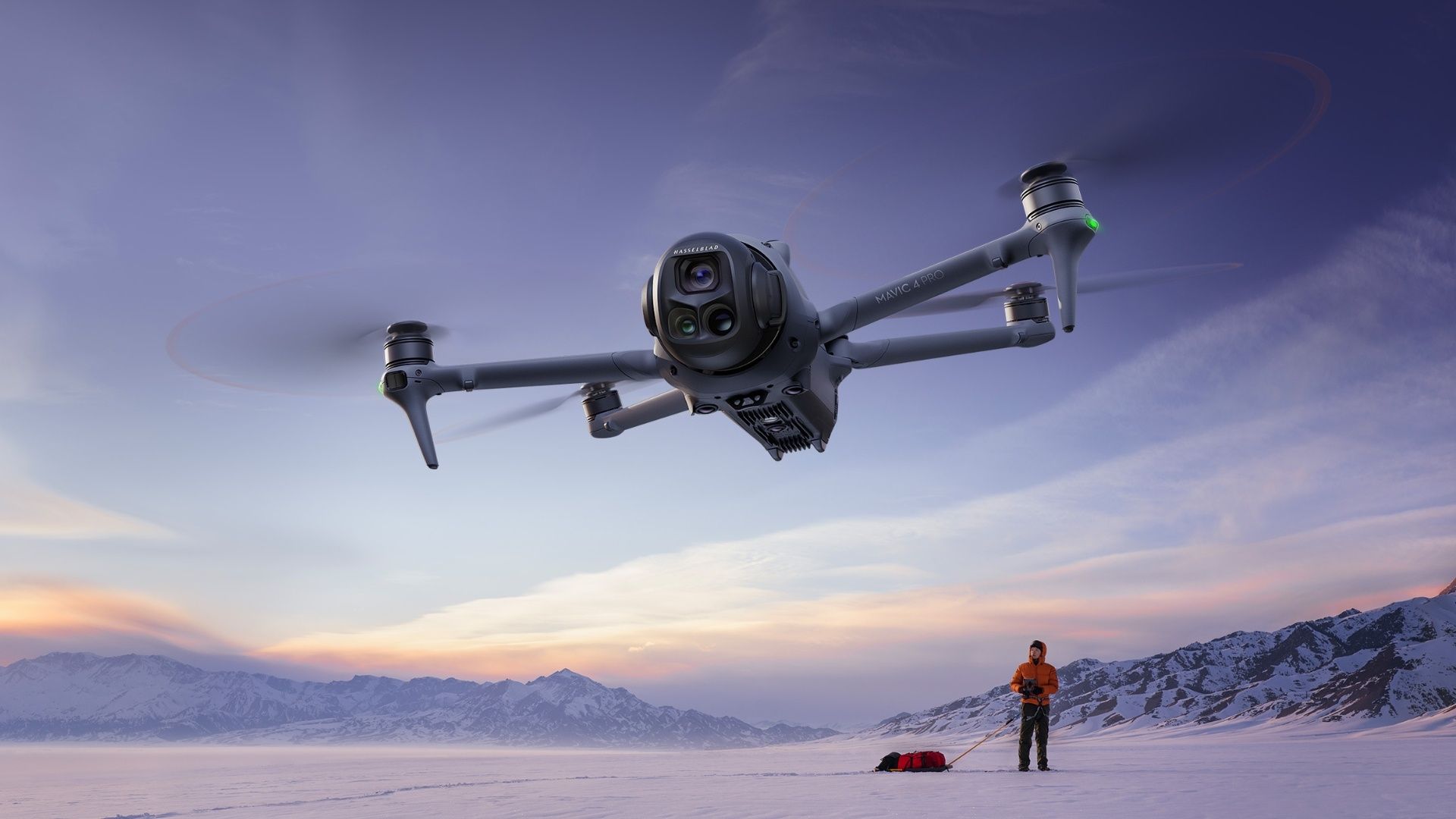
US Court Upholds DJI's Military Ties Designation in Landmark Ruling

📷 Image source: cdn.mos.cms.futurecdn.net
Federal Judge Confirms DJI's Defense Industry Links
Legal setback for drone giant as Pentagon listing remains intact
In a significant legal development, a US federal judge has ruled that drone manufacturer DJI maintains affiliations with China's defense industry, ensuring the company's continued presence on the Pentagon's list of Chinese military companies. The ruling represents a substantial defeat for DJI's efforts to challenge its designation and could have far-reaching implications for the global drone market.
The decision, handed down by Judge Randolph Moss in the US District Court for the District of Columbia, affirms the Department of Defense's position that DJI's connections to China's military-industrial complex warrant its inclusion on the controversial list. This classification subjects the company to various restrictions and scrutiny under US law, potentially affecting its operations and market position worldwide.
The Legal Battle Over Military Designation
DJI's challenge meets judicial resistance
DJI had mounted a vigorous legal challenge against its inclusion on the Pentagon's list, arguing that the designation was unjustified and damaging to its business. The company contended that it operates as a commercial entity separate from China's defense establishment. However, the court found sufficient evidence to support the Defense Department's classification.
According to tomshardware.com, the ruling means DJI will remain on the official list of 'Chinese military companies' operating directly or indirectly in the United States. This list forms part of broader US efforts to monitor and regulate Chinese companies with alleged ties to China's military modernization efforts. The designation doesn't automatically impose sanctions but places companies under increased scrutiny for potential security risks.
Evidence Presented in Court Proceedings
Documentation reveals defense connections
Court documents revealed that US authorities presented evidence showing DJI's involvement with Chinese defense research projects and military applications of its technology. The judge determined that these connections substantiated the Pentagon's classification decision. While specific details of the evidence remain classified, the ruling indicates the court found the government's arguments compelling.
The evidence reportedly included documentation of DJI's participation in Chinese government programs that blend commercial and military technological development. According to tomshardware.com, the court acknowledged that some of DJI's drone technology has dual-use applications that could serve both civilian and military purposes, a factor that contributed to the final decision.
Impact on Global Drone Market
Industry ramifications extend beyond US borders
This ruling could significantly reshape the competitive landscape of the global drone industry. DJI, as the world's largest consumer drone manufacturer, faces potential restrictions on its US operations and possible ripple effects in other markets. Governments worldwide monitoring US regulatory actions may reconsider their own positions regarding Chinese drone technology.
The decision comes at a time when many Western governments are increasingly concerned about the security implications of Chinese technology in critical infrastructure. Several countries have already implemented or are considering restrictions on DJI drones for government use, citing potential data security risks and the company's alleged connections to the Chinese government.
DJI's Market Position Under Pressure
Consumer and enterprise segments face uncertainty
Despite the legal setback, DJI maintains its dominant position in the global consumer drone market, controlling approximately 70% of the worldwide market share. However, the ruling could accelerate efforts by competitors and governments to develop alternative drone technologies. The company's enterprise business, which serves industries like agriculture, construction, and public safety, may face particular challenges in Western markets.
Industry analysts suggest that the continued Pentagon listing could push more government agencies and large corporations to seek alternatives to DJI products. This has already sparked increased investment in American and European drone manufacturers who position themselves as more secure alternatives to Chinese-made drones.
Historical Context of US-China Tech Tensions
Broader pattern of technology security concerns
The DJI case represents another chapter in the ongoing technological competition between the United States and China. Over recent years, numerous Chinese technology companies have faced scrutiny and restrictions in Western markets over alleged ties to the Chinese government and military. These concerns span multiple sectors, including telecommunications, semiconductors, and artificial intelligence.
According to tomshardware.com, the Pentagon's list of Chinese military companies has expanded significantly since its inception, reflecting growing US concerns about technology transfer and potential security threats. The list now includes dozens of Chinese companies across various technology sectors, though DJI remains one of the most prominent consumer-facing brands on the list.
Legal Precedent and Future Challenges
Setting the stage for similar cases
The court's decision establishes an important legal precedent for how US courts will evaluate challenges to Pentagon designations of Chinese companies. Other Chinese firms contesting their inclusion on military lists will likely face similar legal hurdles. The ruling suggests that courts are giving substantial deference to the Defense Department's assessments of national security risks.
Legal experts note that the standard of proof required to overturn such designations appears quite high, with courts generally accepting the government's national security judgments unless companies can demonstrate clear errors or abuse of discretion. This creates a challenging legal environment for Chinese companies seeking to remove themselves from these lists through judicial means.
Industry Response and Adaptation Strategies
How drone companies are navigating new realities
The commercial drone industry continues to adapt to increasing geopolitical tensions and security concerns. Many companies are developing new technologies and business strategies to address government worries about data security and foreign influence. Some are establishing clearer separation between their Chinese operations and international businesses, while others are developing technology with enhanced security features specifically for government customers.
According to industry observers, the trend toward regionalization in drone manufacturing appears to be accelerating. More companies are establishing production facilities outside China to serve specific markets, particularly for government and enterprise customers with heightened security requirements. This represents a significant shift from the previously dominant global supply chain model that characterized the drone industry's early development.
Future Regulatory Landscape
What comes next for drone regulation
The DJI ruling comes amid broader regulatory developments affecting the drone industry worldwide. Multiple countries are working on comprehensive drone regulations that address security concerns while enabling commercial innovation. The European Union, for instance, is developing its own framework for certifying drone security and establishing standards for critical infrastructure applications.
Industry experts predict that security certifications and transparency requirements will become increasingly important for drone manufacturers seeking to serve government and enterprise markets. Companies may need to demonstrate clearer separation between their commercial and potential military applications, as well as provide greater transparency about data handling practices and corporate governance structures.
Broader Implications for US-China Tech Relations
Beyond drones to wider technology competition
The DJI case reflects broader patterns in US-China technology competition that extend well beyond the drone industry. Similar dynamics are playing out in semiconductors, artificial intelligence, 5G telecommunications, and other critical technology sectors. The increasing separation of US and Chinese technology ecosystems appears to be accelerating, with significant implications for global innovation and market access.
According to analysts, these developments are creating a more fragmented global technology landscape, with different standards, supply chains, and market access conditions emerging in different regions. Companies operating in sensitive technology sectors increasingly face complex decisions about how to structure their businesses to navigate these diverging regulatory environments and geopolitical considerations.
#DJI #DroneTechnology #USChinaRelations #MilitaryTech #CourtRuling


