

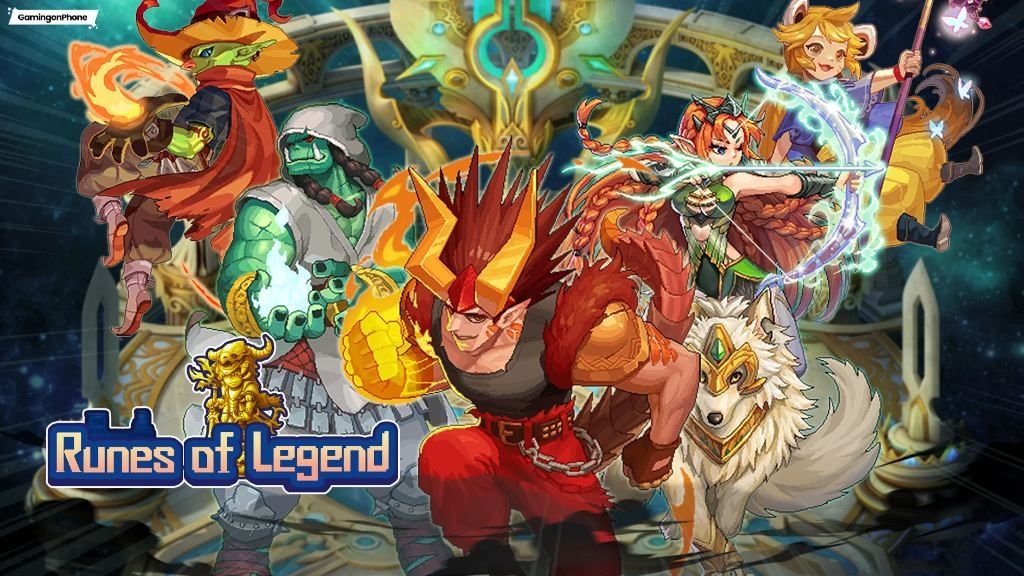
Runes of Legend Revives Retro Browser RPG Magic on Android

📷 Image source: i0.wp.com
A Nostalgic Journey Reborn on Mobile
From browser tabs to touchscreens
Remember when epic adventures unfolded not through multi-gigabyte downloads, but within the humble confines of a web browser? For a generation of gamers, browser-based RPGs defined an era of accessible fantasy. Now, that specific brand of nostalgia has been meticulously repackaged for the modern era. Runes of Legend, a game that originally captured hearts on PC browsers, has officially launched on Android, bringing its distinctive pixel-art charm and straightforward RPG mechanics to mobile devices.
The launch, reported by gamingonphone.com on September 24, 2025, marks a significant shift for the title, transitioning from a point-and-click past to a tap-and-swipe present. The core appeal remains unchanged: offering a heroic adventure that prioritizes fun and exploration over complex systems. This isn't about reinventing the wheel, but rather polishing a beloved classic for a new platform. How does a game designed for keyboard and mouse fare on a touchscreen? The developers seem confident that the simple, intuitive gameplay is a perfect fit.
Core Gameplay: Dungeons, Bosses, and Loot
The timeless RPG loop
According to the report from gamingonphone.com, the heart of Runes of Legend beats to a familiar and comforting rhythm. Players will create a hero and embark on a quest-filled journey across a fantasy landscape. The primary activities are clear and compelling: exploring diverse dungeons, battling formidable bosses, and collecting valuable loot to strengthen your character.
The gameplay loop is designed for both short bursts and longer sessions, making it ideal for mobile play. You can dive into a dungeon during a commute, defeat a boss on a lunch break, and manage your inventory in the evening. This pick-up-and-play philosophy was inherent in its browser-based origins and translates seamlessly to Android. The focus is on immediate action and tangible progression, avoiding the lengthy tutorials and overwhelming mechanics that can sometimes plague modern RPGs.
Visuals and Audio: A Deliberate Retro Aesthetic
Pixel art that tells a story
Runes of Legend does not chase hyper-realistic graphics. Instead, it fully embraces a retro pixel-art style that serves as a direct homage to its roots and the early days of computer role-playing games. The visuals are reportedly crisp and colorful, designed to be clear on smaller screens while evoking a sense of warmth and nostalgia.
This artistic choice is more than just a stylistic nod; it's a functional one. The clear visual language ensures that characters, enemies, and environmental details are easily distinguishable during combat and exploration. The audio design likely complements this approach with chiptune-inspired music and classic sound effects that enhance the old-school atmosphere without being intrusive. It’s a package designed to feel instantly familiar to anyone who spent their youth questing in browser windows.
The Shift from Browser to Native App
Technical adaptations for a new platform
Porting a game from a browser environment to a native Android application involves significant technical work. While the source article doesn't delve into the granular details, it's clear the developers have had to rebuild the game's framework. A browser game runs within a sandbox like Adobe Flash or HTML5, while a native app is built directly for the Android operating system using languages like Java or Kotlin.
This transition typically allows for better performance, smoother animations, and more reliable access to device-specific features like notifications and cloud saves. The control scheme is the most obvious change, with touch gestures replacing mouse clicks. The interface has undoubtedly been redesigned to accommodate thumbs and fingers, with larger buttons and intuitive swipe controls for menus and inventory management. This adaptation is crucial for ensuring the game feels native to mobile, not just a clumsy port.
Accessibility and the Free-to-Play Model
Opening the gates to all adventurers
In keeping with its accessible origins, Runes of Legend launches as a free-to-play title on the Google Play Store. This model dramatically lowers the barrier to entry, allowing anyone with an Android device to download and begin their adventure without an upfront cost. The report confirms the game is free to download and play.
The free-to-play structure often raises questions about monetization. While the specific details of in-app purchases are not outlined in the source material, such models commonly include optional purchases for cosmetic items, quality-of-life boosts, or currency. The key to a successful F2P game is balancing these purchases so that paying players gain conveniences without creating an unfair advantage over those who play for free. The developers' approach to this balance will be a significant factor in the game's long-term community health.
Positioning in the Modern Mobile RPG Market
A niche in a crowded arena
The mobile RPG market is incredibly saturated, dominated by massive franchises and gacha-style games with sprawling worlds and complex narratives. Runes of Legend carves out a distinct niche by doing the opposite. It offers a simpler, more straightforward experience that recalls a different time in gaming history.
Its potential appeal lies with two main audiences: older gamers looking for a hit of nostalgia, and newer players curious about the genre's roots in a less intimidating package. It doesn't try to compete with the visual spectacle of a Genshin Impact or the strategic depth of a Final Fantasy mobile title. Instead, it offers a pure, undiluted RPG experience focused on core fundamentals. In a market of cinematic blockbusters, sometimes there's a strong appetite for a well-told campfire story.
Future Content and Community Hopes
What lies beyond the launch?
A successful game launch is just the beginning. The long-term viability of any online RPG depends on post-launch support and content updates. While the source article from gamingonphone.com focuses on the initial release, the community will naturally look to the future.
Players will be eager to see if the developers plan to introduce new dungeons, higher-level caps, additional character classes, or special seasonal events. Browser-based games often thrived on regular, smaller content drops that kept the experience fresh. Replicating this rhythm on mobile could be key to retaining players. The potential for social features, like guilds or co-op dungeons, though unmentioned in the source, is another area where the game could expand to build a stronger community around its retro core.
A Testament to Enduring Game Design
Why simple formulas still work
The launch of Runes of Legend on Android is more than just another mobile port; it's a validation of a particular style of game design. It demonstrates that gameplay loops built on clear objectives—explore dungeon, defeat boss, get stronger—possess a timeless quality.
In an industry constantly chasing technological innovation, there is enduring value in simplicity and clarity. Runes of Legend’s success will hinge on its ability to deliver that pure, uncomplicated fun on a new platform. For players weary of hundred-hour commitments and convoluted systems, this Android launch offers a welcome return to basics. It’s a heroic adventure, as gamingonphone.com puts it, ready to be unfolded from your pocket.
#RunesOfLegend #AndroidRPG #RetroGaming #BrowserGame #MobileGaming


