

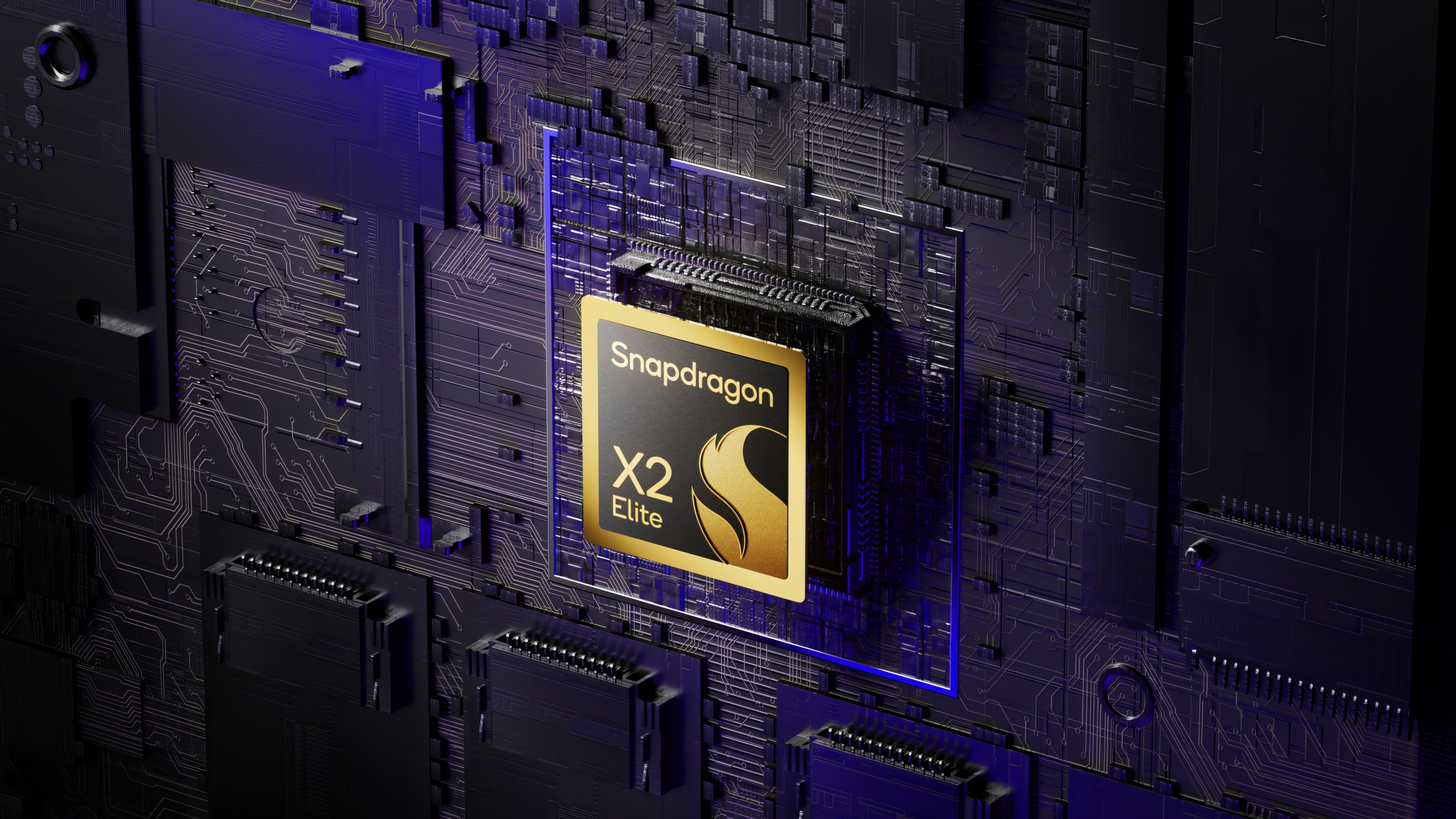
Qualcomm's Snapdragon X2 Series Breaks 5 GHz Barrier with 3nm Architecture

📷 Image source: cdn.mos.cms.futurecdn.net
A New Era for PC Processing
Qualcomm Redefines Performance Standards with Snapdragon X2 Series
Qualcomm has unveiled its most ambitious PC processor lineup to date, the Snapdragon X2 series, featuring clock speeds reaching an unprecedented 5 gigahertz (GHz). This breakthrough represents the highest frequency ever achieved in the Windows-on-Arm ecosystem, signaling a significant challenge to traditional x86 architecture dominance in the PC market. The new chips, manufactured using cutting-edge 3-nanometer (nm) process technology, introduce Qualcomm's custom Oryon Prime cores designed specifically for high-performance computing tasks.
According to tomshardware.com, the Snapdragon X2 series comprises three distinct tiers: Elite Extreme, Elite, and standard variants, each targeting different segments of the PC market. This strategic segmentation allows Qualcomm to address everything from premium gaming laptops to mainstream productivity devices. The 3nm manufacturing process, which refers to the size of transistors on the chip, enables higher transistor density and improved power efficiency compared to previous generations, potentially revolutionizing mobile computing performance.
Technical Architecture Breakdown
Inside the 3nm Revolution
The Snapdragon X2 series represents Qualcomm's first implementation of 3nm technology in PC processors, a significant advancement from the 4nm process used in previous generations. This shrinkage in transistor size allows for approximately 1.6 times higher transistor density within the same physical space, translating to either more powerful processors or more energy-efficient designs. The 3nm architecture enables the chips to achieve the record-breaking 5 GHz clock speed while maintaining thermal profiles suitable for thin-and-light laptop designs.
The heart of the Snapdragon X2's performance lies in its new Oryon Prime cores, which Qualcomm developed through its Nuvia acquisition. These custom CPU cores are specifically optimized for high-performance computing tasks while maintaining the power efficiency characteristic of Arm architecture. The chips utilize a big.LITTLE configuration, combining high-performance cores with efficiency cores to balance power consumption and processing capability based on workload demands, a approach that has proven successful in mobile devices but is now being scaled for desktop-class performance.
Performance Tiers Explained
Elite Extreme vs Elite vs Standard Variants
Qualcomm's three-tier approach with the Snapdragon X2 series creates clear differentiation for various market segments. The Elite Extreme variant targets premium gaming laptops and workstation-class devices, featuring the highest clock speeds up to 5 GHz and the maximum core configuration. This positioning directly challenges Intel's Core i9 and AMD's Ryzen 9 series in the high-performance laptop market. The Extreme designation indicates these chips are optimized for sustained performance under heavy computational loads.
The Elite variant serves the premium ultrabook and business laptop segment, balancing performance with power efficiency for devices requiring all-day battery life. Meanwhile, the standard Snapdragon X2 chips address the mainstream market, competing with entry-level x86 processors while maintaining the architectural advantages of the Arm ecosystem. This tiered strategy allows OEMs to implement the same fundamental architecture across multiple price points while maintaining software compatibility across the entire Snapdragon X2 portfolio.
The 5 GHz Milestone
What Breaking the Frequency Barrier Means
The achievement of 5 GHz clock speeds in an Arm-based PC processor represents a significant engineering milestone. Clock speed, measured in hertz, refers to how many processing cycles a CPU can complete per second, with higher frequencies generally correlating to faster performance for single-threaded tasks. Qualcomm's breakthrough demonstrates that Arm architecture can compete with x86 processors not just in power efficiency but also in raw processing speed, potentially changing industry perceptions about performance limitations of RISC-based designs.
However, clock speed alone doesn't tell the complete performance story. The architecture's instructions per cycle (IPC) efficiency determines how much work gets done during each clock cycle. Qualcomm's Oryon cores are designed to maximize IPC while maintaining the power efficiency advantages of Arm architecture. This combination of high clock speeds and efficient architecture could potentially deliver performance that challenges traditional x86 processors while consuming significantly less power, particularly important for battery-operated devices.
Manufacturing and Production
The 3nm Advantage in Modern Chip Design
The shift to 3nm manufacturing represents one of the most significant aspects of the Snapdragon X2 series. Semiconductor process nodes, measured in nanometers, indicate the size of the smallest features on a chip, with smaller numbers generally representing more advanced technology. The 3nm process allows for transistors that are approximately 0.7 times the size of those in 5nm technology, enabling either more transistors in the same area or the same number of transistors in a smaller, more power-efficient package.
This manufacturing advancement comes with substantial challenges, including increased production costs and technical complexities. The precise alignment required for 3nm features demands extreme ultraviolet (EUV) lithography systems that represent some of the most advanced manufacturing equipment ever developed. Qualcomm's ability to secure 3nm production capacity indicates both the company's commitment to competing in the high-performance PC market and the growing maturity of advanced semiconductor manufacturing processes suitable for mass production.
Market Impact and Competition
Challenging the x86 Duopoly
Qualcomm's Snapdragon X2 series enters a PC processor market historically dominated by Intel and AMD's x86 architecture. The Windows-on-Arm ecosystem has struggled to gain significant market share despite previous attempts, primarily due to performance limitations and software compatibility issues. The X2 series represents Qualcomm's most serious effort to date to overcome these barriers by delivering competitive performance while leveraging Arm's power efficiency advantages.
The timing of Qualcomm's announcement coincides with increasing industry interest in energy-efficient computing solutions. As environmental concerns and energy costs rise, the power efficiency advantages of Arm architecture become increasingly valuable, particularly in enterprise environments operating large fleets of computers. Additionally, the growing maturity of Windows-on-Arm compatibility, including improved x86 emulation, creates a more favorable environment for Arm-based PCs to compete effectively against traditional x86 systems.
Software Ecosystem Considerations
The Application Compatibility Challenge
One of the historical challenges for Windows-on-Arm devices has been software compatibility, particularly with applications designed specifically for x86 architecture. While Microsoft has improved x86 emulation in recent Windows versions, performance penalties and compatibility issues remain concerns for potential adopters. The Snapdragon X2's raw performance advantages may help overcome these limitations by providing sufficient overhead to handle emulation without noticeable performance degradation.
The success of the Snapdragon X2 series will depend significantly on developer adoption of native Arm64 applications. Major software vendors have increasingly been releasing Arm-native versions of popular applications, particularly in the creative and productivity software categories. Qualcomm's performance claims suggest that even emulated x86 applications should run competitively on the X2 series, but ultimate market acceptance will require broad native application support across both consumer and enterprise software ecosystems.
Thermal Management and Power Efficiency
Balancing Performance and Battery Life
The record-breaking 5 GHz clock speeds present significant thermal management challenges, particularly in the thin-and-light laptop designs that often feature Arm-based processors. Qualcomm has likely implemented advanced power management technologies to prevent thermal throttling while maintaining performance consistency. The company's experience with mobile processors, where thermal constraints are even more severe, should provide valuable insights for managing heat dissipation in laptop form factors.
Power efficiency remains a key advantage for Arm architecture, and the Snapdragon X2 series is expected to maintain significant battery life advantages over comparable x86 processors. This efficiency advantage could prove particularly valuable in always-connected PCs that prioritize mobility and battery life. The combination of high performance and extended battery life addresses one of the traditional trade-offs in mobile computing, potentially creating a new category of devices that don't require performance compromises for portability.
Implementation Timeline and Availability
When to Expect Snapdragon X2 Devices
According to tomshardware.com, 2025-09-24T20:30:00+00:00, Qualcomm has announced the Snapdragon X2 series but specific availability timelines for consumer devices remain uncertain. The typical product cycle for new processor architectures involves sampling to OEM partners followed by integration into device designs, manufacturing, and eventual retail availability. This process typically takes several months from announcement to product availability.
Major PC manufacturers likely have early access to the Snapdragon X2 series for evaluation and design purposes. The adoption rate will depend on factors including performance validation, manufacturing costs, and market demand predictions. Qualcomm's previous Snapdragon X series processors have seen adoption by major manufacturers including Microsoft, Lenovo, and HP, suggesting established relationships that could facilitate relatively rapid adoption of the X2 series across multiple device categories.
Comparative Analysis with Previous Generations
Evolution from Snapdragon 8cx to X2
The Snapdragon X2 series represents the culmination of several generations of Windows-on-Arm processor development. Qualcomm's initial attempts with the Snapdragon 8cx series established the foundation for Arm-based Windows PCs but faced performance limitations compared to contemporary x86 processors. The first-generation Snapdragon X series marked a significant performance improvement, while the X2 series appears to represent a quantum leap in both architecture and manufacturing technology.
Performance improvements between generations appear substantial, with the 5 GHz clock speed representing approximately a 25% increase over previous high-end Snapdragon X series processors. More significantly, the shift to 3nm technology and custom Oryon cores suggests architectural improvements beyond mere clock speed increases. These generational advancements demonstrate Qualcomm's long-term commitment to the Windows-on-Arm ecosystem and its belief in the architecture's potential to compete effectively in the broader PC market.
Industry Implications and Future Directions
Beyond the Current Generation
Qualcomm's Snapdragon X2 series has implications extending beyond immediate market competition. The demonstrated viability of high-performance Arm processors for Windows PCs could encourage broader industry adoption of alternative architectures, potentially reducing the historical dominance of x86 in the PC space. This architectural diversity could lead to increased innovation as different approaches compete on technical merits rather than ecosystem lock-in.
The success of the Snapdragon X2 series may also influence software development practices, encouraging more cross-platform development and native Arm64 application support. As developers increasingly target multiple architectures, consumers benefit from greater choice and potentially lower prices due to increased competition. Qualcomm's advancements could also pressure traditional x86 manufacturers to accelerate their own efficiency improvements, benefiting the entire PC market through accelerated innovation cycles.
Reader Perspective
Join the Conversation
How do you see Arm-based processors changing your computing experience in the coming years? Are you considering an Arm-based Windows PC for your next device purchase, and what factors would most influence your decision? Share your perspectives on whether performance, battery life, or software compatibility matters most in your computing choices.
The transition to alternative processor architectures represents one of the most significant shifts in personal computing in decades. Your experiences with current devices and expectations for future technology help shape the industry's direction. Whether you're a professional requiring specific software compatibility or a consumer prioritizing mobility and battery life, your perspective contributes to understanding how these architectural decisions impact real-world computing experiences.
#Qualcomm #SnapdragonX2 #3nm #PCProcessor #5GHz #Oryon


