

Nvidia Pushes for 10Gbps HBM4 Memory to Counter AMD's MI450 AI Accelerators

📷 Image source: cdn.mos.cms.futurecdn.net
The High-Bandwidth Memory Arms Race Intensifies
Nvidia's aggressive timeline for next-generation memory technology
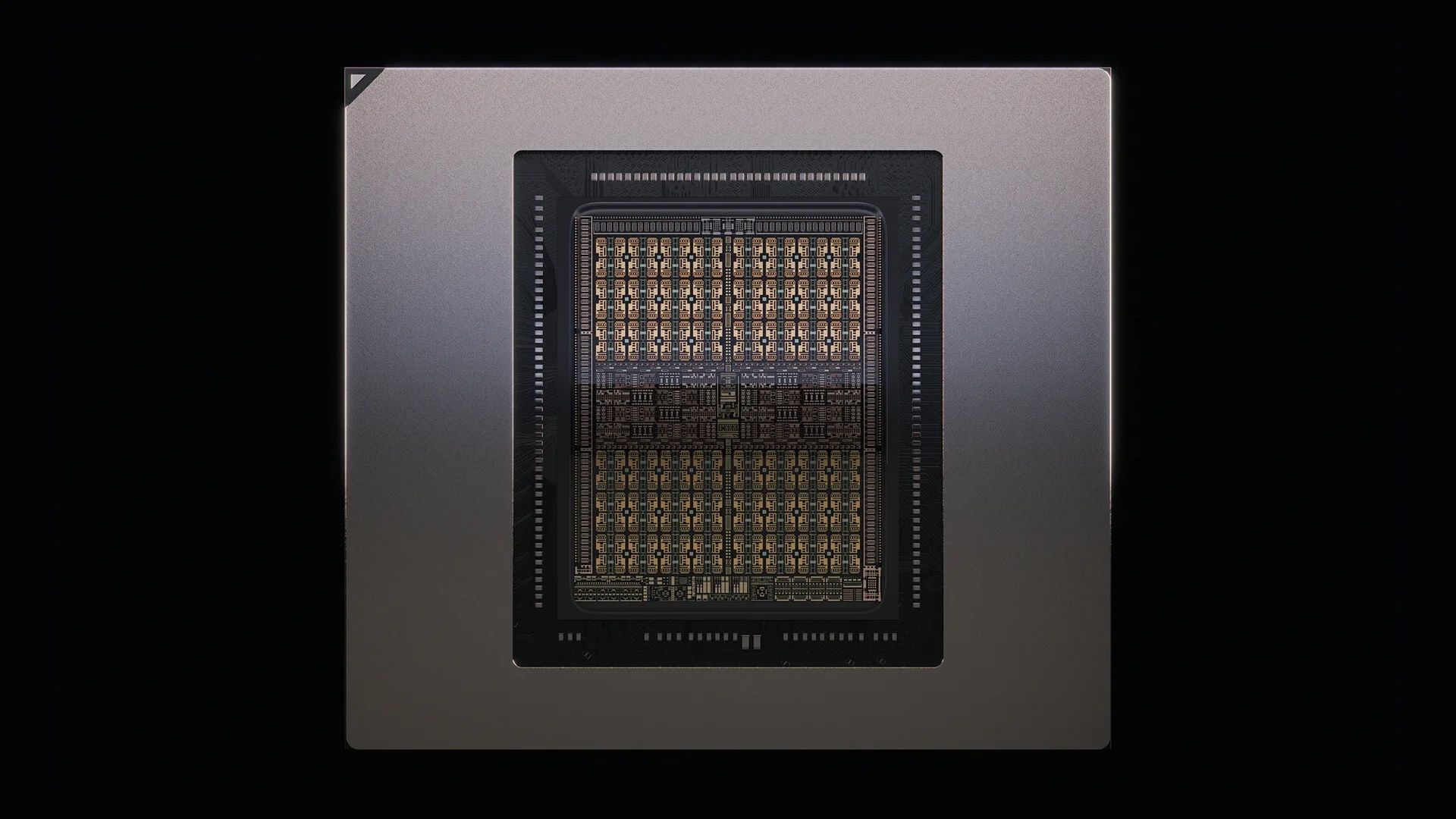
Nvidia is reportedly pushing memory suppliers to develop HBM4 technology capable of reaching 10 gigabits per second (Gbps) data transfer rates, according to information from tomshardware.com. This aggressive timeline aims to counter AMD's upcoming MI450 series of artificial intelligence accelerators, which are expected to feature advanced memory capabilities.
The reported push for 10Gbps HBM4 represents a significant leap from current HBM3e technology, which typically operates at around 6.4Gbps. This accelerated development schedule demonstrates the intense competition in the AI accelerator market, where memory bandwidth often becomes a critical bottleneck for performance in large language model training and inference workloads.
Understanding HBM Technology
What makes High Bandwidth Memory crucial for AI acceleration
High Bandwidth Memory (HBM) represents a revolutionary approach to memory architecture that stacks memory dies vertically and connects them through silicon vias (TSVs). This three-dimensional design allows for significantly higher bandwidth compared to traditional GDDR memory while occupying less physical space on the circuit board. HBM's architecture makes it particularly suitable for AI and high-performance computing applications where massive data transfer requirements are paramount.
The technology has evolved through several generations, with HBM4 representing the next major iteration. Each generation has brought improvements in bandwidth, power efficiency, and capacity. The move to 10Gbps transfer rates would represent approximately a 56% increase over current HBM3e capabilities, potentially enabling AI accelerators to process larger models more efficiently.
AMD's MI450 Threat
How competitor advancements are driving Nvidia's strategy
AMD's MI450 series, expected to compete directly with Nvidia's current-generation AI accelerators, appears to be the catalyst for Nvidia's aggressive HBM4 timeline. While specific details about AMD's memory implementation remain uncertain, industry analysts suggest the MI450 may feature memory advancements that could challenge Nvidia's current performance leadership in certain AI workloads.
The competitive pressure from AMD represents a significant shift in the AI accelerator market, which Nvidia has dominated for several generations. AMD's renewed focus on AI acceleration, combined with its acquisition of Xilinx and development of the CDNA architecture, has positioned the company as a more substantial competitor in the high-performance computing space than in previous years.
Technical Challenges of 10Gbps HBM4
The engineering hurdles facing memory manufacturers
Achieving 10Gbps transfer rates with HBM4 technology presents substantial technical challenges for memory manufacturers. Signal integrity becomes increasingly difficult to maintain at higher speeds, requiring advanced materials, improved manufacturing processes, and sophisticated signal conditioning techniques. Thermal management also becomes more critical as higher data rates typically generate additional heat within the memory stack.
Power consumption represents another significant challenge. While HBM technology is generally more power-efficient than GDDR memory for equivalent bandwidth, pushing transfer rates to 10Gbps may require innovative power delivery and management solutions. Memory suppliers must balance performance increases with practical power constraints, particularly for data center applications where power efficiency directly impacts operational costs.
Market Implications of the Memory Race
How the competition affects AI development and costs
The accelerated development of HBM4 technology could have far-reaching implications for the AI and high-performance computing markets. Faster memory bandwidth enables more efficient processing of increasingly large AI models, potentially reducing training times and inference latency. This advancement may accelerate the development of more sophisticated AI applications across various industries, from healthcare and scientific research to autonomous systems and natural language processing.
However, the push for cutting-edge memory technology also raises questions about cost and accessibility. Advanced HBM typically commands premium prices, which could impact the overall cost of AI accelerator solutions. The industry must balance performance advancements with economic practicality, particularly as AI adoption expands beyond well-funded tech giants to smaller organizations and research institutions.
Supply Chain Considerations
The role of memory manufacturers in the technology race
Nvidia's reported push for 10Gbps HBM4 places significant pressure on memory manufacturers like Samsung, SK Hynix, and Micron. These companies must accelerate their research and development timelines while maintaining quality and yield rates. The accelerated schedule may require substantial investment in new manufacturing equipment and processes, potentially affecting production capacity and costs throughout the memory industry.
The concentration of HBM manufacturing capability among a few major players creates both challenges and opportunities. While this specialization enables focused development of advanced technologies, it also creates potential supply chain vulnerabilities. Any production issues or capacity constraints at major memory manufacturers could affect the entire AI accelerator market, potentially delaying product launches or limiting availability of next-generation solutions.
Performance Impact on AI Workloads
How increased memory bandwidth transforms AI capabilities
The transition to 10Gbps HBM4 memory could significantly impact various AI workloads differently. For training large language models, increased memory bandwidth may reduce the time required for data movement between memory and processing units, potentially accelerating overall training times. In inference applications, higher bandwidth could enable processing of larger batch sizes or more complex models within the same time constraints.
Memory-bound applications, particularly those involving large datasets or complex neural network architectures, stand to benefit most from the bandwidth increase. However, the actual performance improvement will depend on how well software frameworks and algorithms can leverage the additional bandwidth. Developers may need to optimize their applications to fully utilize the enhanced memory capabilities, potentially requiring changes to data layout, memory access patterns, and parallel processing strategies.
Comparative International Development
Global progress in advanced memory technologies
The development of advanced memory technologies like HBM4 represents a global competition involving companies and research institutions across multiple continents. South Korean companies currently lead in HBM manufacturing, while American firms like Nvidia and AMD drive architecture design and integration. Other countries, including Japan and China, are investing significantly in memory technology research to reduce dependence on foreign suppliers.
This international landscape creates both collaboration opportunities and competitive tensions. Intellectual property protection, export controls, and supply chain security considerations increasingly influence the development and distribution of advanced memory technologies. The geopolitical aspects of memory manufacturing may affect availability, pricing, and technological advancement timelines for companies worldwide seeking to incorporate these technologies into their products.
Environmental and Sustainability Considerations
The ecological impact of advancing memory technology
The push for increasingly advanced memory technology raises important questions about environmental sustainability. Manufacturing HBM involves complex processes that consume significant energy and resources, including rare materials and chemicals. The accelerated development cycle may increase electronic waste as previous-generation equipment becomes obsolete more quickly, though the exact environmental impact remains uncertain without specific manufacturing data.
Memory manufacturers face growing pressure to improve the sustainability of their operations while advancing technology. This includes reducing energy consumption during manufacturing, implementing water recycling systems, and developing more efficient production techniques. The industry must balance technological progress with environmental responsibility, particularly as data center energy consumption continues growing with AI expansion.
Future Development Trajectory
Where memory technology progresses beyond HBM4
The reported push for 10Gbps HBM4 suggests the memory technology evolution will continue accelerating to meet growing AI demands. Beyond HBM4, researchers are already exploring technologies like 3D stacked memory with even higher bandwidth capabilities, optical interconnects, and novel materials that could further improve performance and efficiency. The integration of memory and processing units continues to evolve, with concepts like processing-in-memory gaining increased attention.
Long-term development may focus not only on increasing bandwidth but also on improving energy efficiency, reducing latency, and enhancing reliability. As AI models grow increasingly complex and datasets expand exponentially, memory technology must continue advancing to avoid becoming the primary bottleneck in computational systems. The competition between major technology companies likely will continue driving rapid innovation in this critical component space.
Industry Response and Adoption Timeline
When to expect 10Gbps HBM4 in commercial products
The industry adoption timeline for 10Gbps HBM4 remains uncertain, as developing and qualifying new memory technology typically requires substantial time. Memory manufacturers must complete design validation, process optimization, and reliability testing before volume production can begin. System integrators like Nvidia then need to design and test new accelerator architectures that incorporate the advanced memory, followed by customer qualification and deployment.
Based on typical technology development cycles, industry observers suggest commercial availability might align with next-generation AI accelerator launches, though specific timing depends on multiple technical and market factors. Early adoption will likely begin with high-performance computing and AI training applications where the performance benefits justify the premium cost, followed by broader adoption as production volumes increase and costs decrease over time.
Perspektif Pembaca
Share your experience with AI hardware limitations
Have you encountered memory bandwidth limitations in your AI or high-performance computing projects? How did these constraints affect your work, and what solutions did you implement to address them? Share your experiences with hardware limitations and how they influenced your project timelines, architecture choices, or overall approach to computational problems.
For those working with AI acceleration, what specific memory performance characteristics would most significantly impact your applications? Are there particular workloads where you've found current memory technology inadequate, and how would enhanced bandwidth change your computational strategies or enable new types of analysis previously constrained by memory limitations?
#Nvidia #HBM4 #AI #AMD #Memory


