

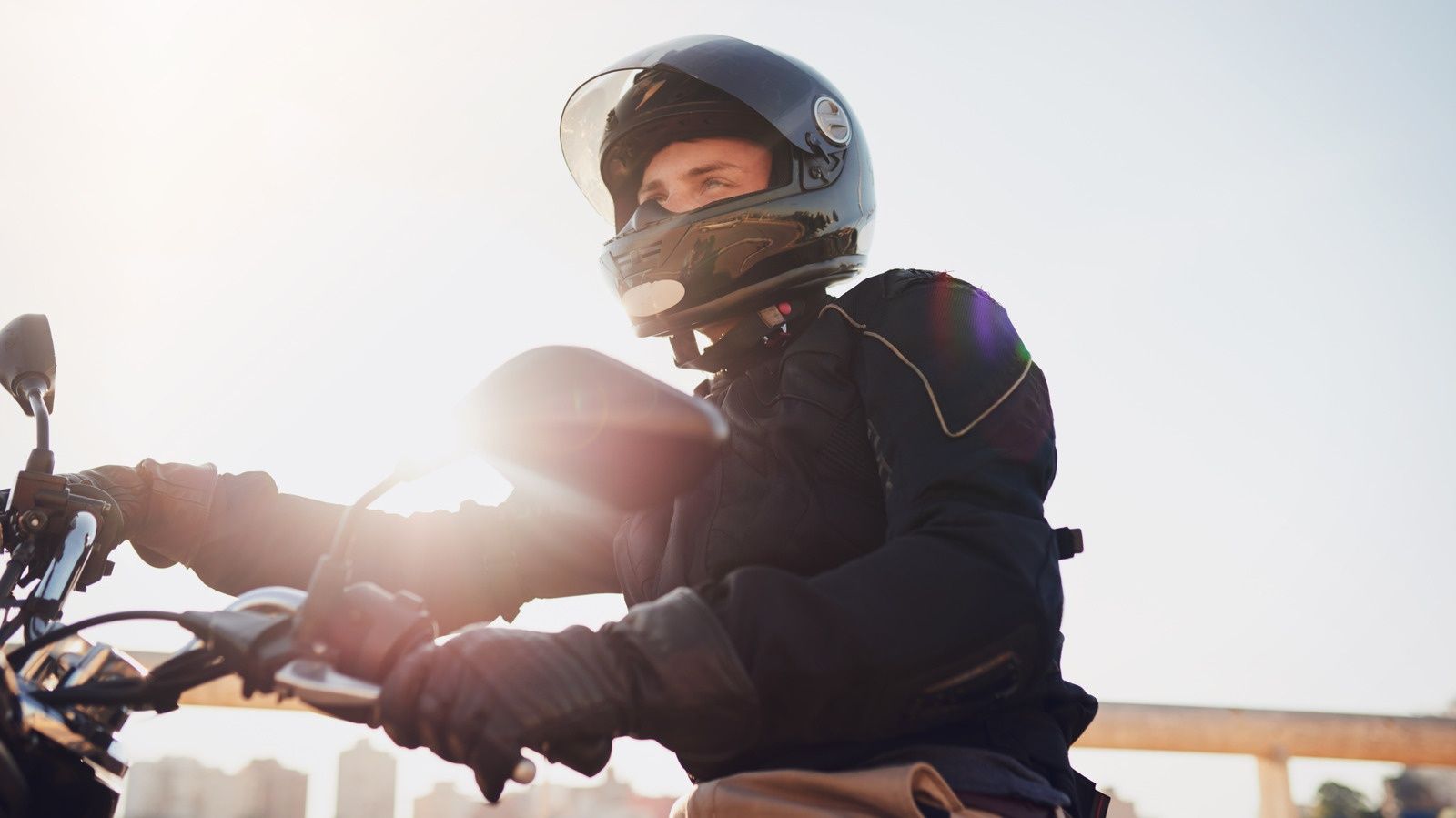
ATGATT: The Lifesaving Motorcycle Mantra Every Rider Should Live By

📷 Image source: slashgear.com
More Than Just an Acronym
Decoding the Biker's Creed
In the world of motorcycling, where the thrill of the open road meets the ever-present risk of the unexpected, a simple acronym carries the weight of a lifesaving philosophy. ATGATT, a term echoed in bike shops, online forums, and group rides, stands for 'All The Gear, All The Time.' But as slashgear.com explains in its report from September 27, 2025, this is far more than just a catchy phrase; it's a fundamental principle that distinguishes cautious riders from the statistically vulnerable.
For the uninitiated, the concept might seem excessive. Why would anyone need to suit up in heavy protective gear for a quick trip to the grocery store? The answer, according to the ethos of ATGATT, is brutally simple: asphalt doesn't care about the length of your journey. A crash at 50 kilometers per hour feels the same whether you've been riding for five minutes or five hours. This unwavering commitment is the core of the practice, a personal pledge to prioritize safety over convenience, every single time.
Breaking Down the Essential Kit
From Head to Toe Protection
So, what exactly constitutes 'All The Gear'? The philosophy is comprehensive, leaving no part of the body to chance. It begins, critically, at the top. A Department of Transportation (DOT)-approved helmet is the non-negotiable cornerstone of ATGATT. As slashgear.com notes, this is the single most important piece of equipment, designed to protect the rider's head from traumatic brain injury in the event of an impact.
The gear extends far beyond the helmet, however. A robust motorcycle jacket and pants, typically constructed from abrasion-resistant materials like leather, Cordura, or advanced synthetic textiles, form the next layer of defense. These are not ordinary street clothes; they are engineered with reinforced padding or armor at key impact zones—shoulders, elbows, knees, and back. This armor is designed to absorb and dissipate energy, reducing the force transferred to the rider's bones and joints during a slide or collision.
The Often-Forgotten Extremities
Why Gloves and Boots Are Not Optional
It's a common sight: a rider in a full jacket and helmet, but wearing sneakers and bare hands. For an ATGATT adherent, this is a half-measure that invites significant risk. The report emphasizes that gloves and proper boots are integral components of the head-to-toe system.
In a fall, a rider's instinct is to put their hands out to break the impact. Without gloves, the result is often severe abrasions, or 'road rash,' that can strip skin down to the bone and lead to permanent damage. Motorcycle gloves protect not only from abrasion but also from impacts and the elements. Similarly, sturdy motorcycle boots offer ankle support and protection that street shoes cannot. They are designed to prevent feet from twisting or crushing in a crash and to shield against the extreme heat of the exhaust pipe.
The Statistical Reality of Road Rash
Confronting the Consequences of Inadequate Gear
The insistence on full-body coverage is not based on paranoia but on grim accident statistics and medical data. The term 'road rash' sounds almost harmless, but it describes a serious injury comparable to a severe burn. When skin slides across pavement at speed, the friction generates intense heat, causing deep abrasions that are painful, prone to infection, and can require skin grafts.
According to the principles outlined by slashgear.com, wearing jeans in a motorcycle accident offers little more protection than tissue paper; denim can shred within the first second of contact with the road. Proper motorcycle attire, in contrast, is tested to withstand slides for multiple seconds, dramatically reducing the severity of injuries. This factual reality is a powerful motivator for riders who have seen the consequences firsthand or studied the data.
Beyond Physical Armor
The Psychological Impact of Being Prepared
ATGATT's benefits extend beyond the physical. There is a significant psychological component to gearing up. The deliberate act of putting on each piece of equipment serves as a ritual, a mental transition from a pedestrian mindset to that of an alert, focused rider. This process can heighten situational awareness before even turning the key.
Could this mindset actually make you a better rider? Many advocates argue yes. By consciously preparing for the worst, a rider may subconsciously adopt a more defensive and cautious approach to riding. They are constantly reminded of the risks involved, which can lead to better decision-making on the road, such as maintaining safer following distances, scanning further ahead for hazards, and moderating speed.
The All-Weather Commitment
ATGATT in Scorching Heat and Pouring Rain
One of the greatest tests of the 'All The Time' principle comes with extreme weather. In the peak of summer, the idea of wearing a heavy jacket and pants can be deeply unappealing. Conversely, opponents of the philosophy often cite comfort as a primary reason for skipping gear. This is where modern motorcycle apparel technology plays a crucial role.
Manufacturers have developed gear specifically for these challenges. Mesh jackets and pants provide excellent airflow while maintaining abrasion resistance, and many are equipped with removable liners for waterproofing and warmth. The key takeaway from the ATGATT approach is that discomfort is temporary, but the injuries from a crash are not. The community often reiterates the mantra: 'Dress for the slide, not for the ride.'
A Culture and a Community Standard
Peer Influence and Leading by Example
ATGATT is not just an individual choice; it's a cultural norm within large segments of the riding community. Experienced riders often mentor newcomers, emphasizing gear as a non-negotiable part of the lifestyle. On group rides, seeing everyone else in full kit creates a powerful social pressure to conform to the safety standard.
This community aspect serves an important educational function. Veteran riders can share stories and explain the specific features of their gear, helping novices make informed purchases. They lead by example, demonstrating that safety and the enjoyment of riding are not mutually exclusive but are, in fact, deeply intertwined. This collective wisdom, passed down through generations of riders, reinforces the importance of the practice.
An Investment in Your Riding Future
Weighing the Cost of Gear Against the Cost of Injury
High-quality motorcycle gear represents a significant financial investment, which can be a barrier for new riders. A full ATGATT setup—helmet, jacket, pants, gloves, and boots—can easily cost over a thousand dollars. However, the philosophy frames this not as an expense, but as an investment in one's own well-being.
When weighed against the potential cost of medical bills, lost wages from time off work, and the physical and emotional trauma of a serious injury, the price of gear seems minimal. As slashgear.com's coverage suggests, viewing gear as an essential part of the motorcycle itself, rather than an optional accessory, is a perspective shift that can have lifelong benefits. It is the ultimate expression of a rider's responsibility to themselves and their loved ones, ensuring that every journey, no matter how short, ends safely.
#ATGATT #MotorcycleSafety #RiderGear #RoadSafety #ProtectiveGear


