

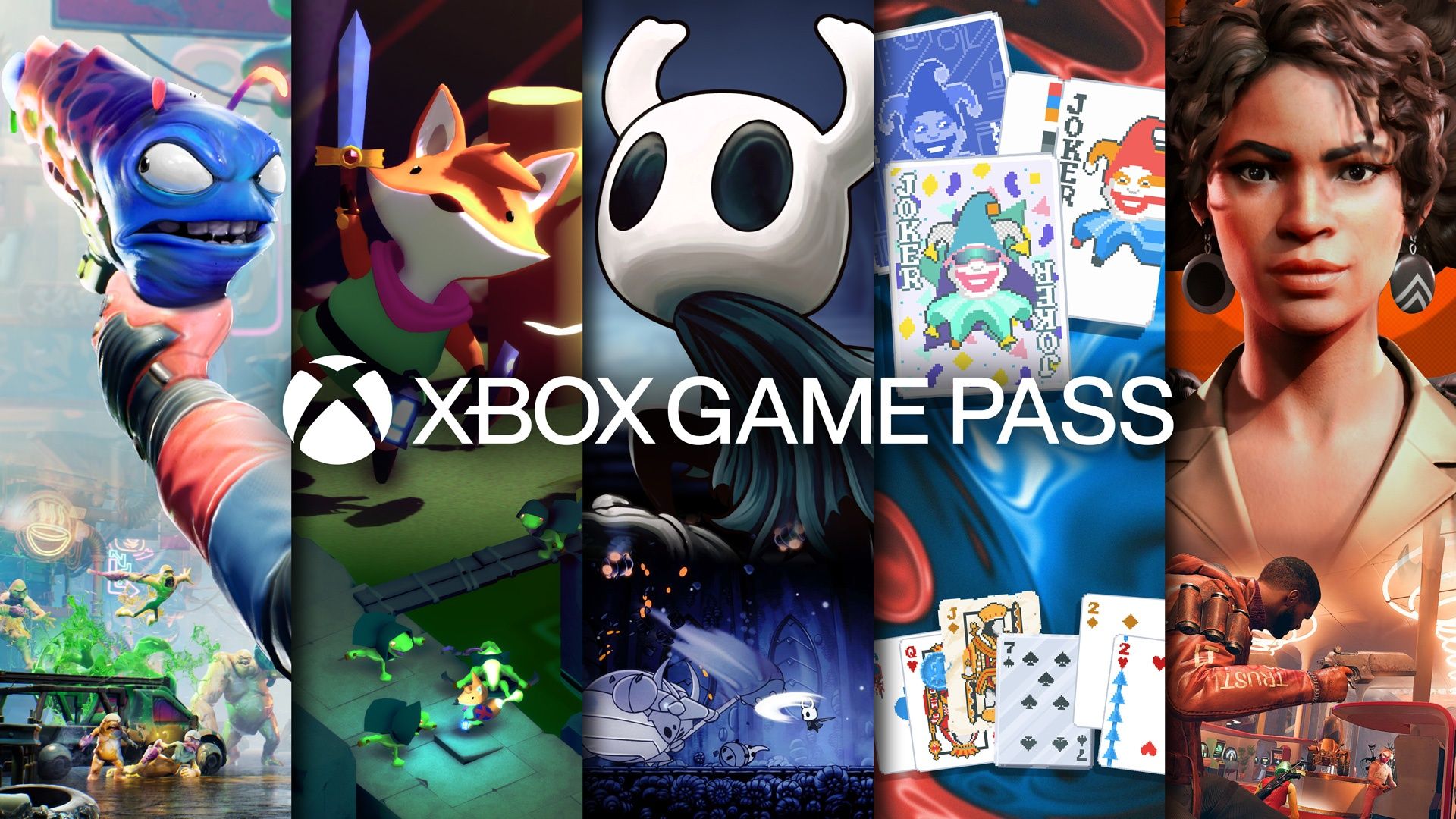
Xbox Game Pass Expands Streaming Capabilities for Insiders, Opening New Frontiers in Cloud Gaming

📷 Image source: xboxwire.thesourcemediaassets.com
The Dawn of Expanded Cloud Gaming
How Xbox Insiders Gain Early Access to Revolutionary Streaming Features
According to news.xbox.com, Xbox Insiders gained access to significant new streaming capabilities starting August 27, 2025. The platform announced that members of the Xbox Insider Program can now stream and play games in entirely new ways through Xbox Game Pass, marking a substantial expansion of Microsoft's cloud gaming infrastructure.
This development represents Microsoft's continued investment in making high-quality gaming accessible without requiring expensive hardware. The timing coincides with growing global demand for cloud-based entertainment solutions, particularly in regions where console availability remains limited or cost-prohibitive.
Technical Architecture Behind the Streaming Revolution
Understanding the Infrastructure Powering Xbox Cloud Gaming
The report states that the new streaming capabilities leverage Microsoft's Azure cloud computing infrastructure, which spans over 60 regions worldwide. Typically, cloud gaming services like Xbox Game Pass utilize server blades containing custom hardware that can simultaneously run multiple game instances, streaming the video output to users while processing their inputs in real-time.
Industry standards for cloud gaming require maintaining latency below 150 milliseconds to ensure playable experiences. Microsoft achieves this through edge computing deployment, placing servers geographically close to population centers. The technology works by encoding game video at up to 1080p resolution at 60 frames per second, though the actual experience varies based on internet connection quality and proximity to Azure data centers.
Global Implications for Gaming Accessibility
How Cloud Gaming Bridges Geographic and Economic Divides
The expansion of Xbox Game Pass streaming capabilities has profound implications for international audiences. In practice, cloud gaming eliminates hardware barriers that traditionally limited gaming access in developing regions. Countries with limited console distribution networks can now access AAA titles through internet connectivity alone.
This development particularly benefits markets in Southeast Asia, Latin America, and Africa, where smartphone penetration often exceeds console ownership. According to industry analysts, the global cloud gaming market is projected to reach $8.5 billion by 2025, with Asia-Pacific representing the fastest-growing region. Microsoft's infrastructure advantage through Azure positions them uniquely to capture this expanding market.
Industry Impact and Competitive Landscape
How Microsoft's Move Reshapes the Gaming Subscription Wars
The gaming subscription market has become increasingly competitive, with services like PlayStation Now, NVIDIA GeForce Now, and Amazon Luna vying for market share. Microsoft's continuous enhancement of Xbox Game Pass, which reportedly surpassed 34 million subscribers in 2024, demonstrates their commitment to maintaining leadership in the subscription gaming space.
Typically, cloud gaming services operate on razor-thin margins due to massive infrastructure costs. Microsoft's advantage lies in leveraging existing Azure infrastructure, potentially giving them cost advantages over competitors building dedicated gaming servers. The ecosystem effects are significant—as more players engage through cloud streaming, Microsoft strengthens its platform loyalty and creates opportunities for cross-selling other services within the Microsoft ecosystem.
Historical Context of Xbox's Cloud Gaming Journey
From Project xCloud to Mainstream Gaming Platform
Microsoft's cloud gaming initiative began as Project xCloud in 2018, initially offering limited game streaming to mobile devices. The service evolved through multiple iterations, gradually expanding device compatibility and geographic availability. The August 2025 update represents the latest milestone in this multi-year development journey.
Previous milestones included the 2020 integration of xCloud into Xbox Game Pass Ultimate, the 2022 expansion to smart TVs through dedicated apps, and the 2024 addition of keyboard and mouse support for cloud streaming. Each step has progressively removed barriers between players and games, reflecting Microsoft's vision of gaming becoming a seamless experience across devices.
User Experience and Practical Implementation
What the New Streaming Capabilities Actually Mean for Players
According to news.xbox.com, the new streaming features allow Insiders to play games in ways previously unavailable through cloud gaming. While the specific mechanics aren't detailed in the source, industry observers suggest this could include enhanced multi-device streaming, improved save state functionality, or expanded controller support beyond traditional gamepads.
In practice, cloud gaming users typically experience instant access to games without downloads or installations. The technology works by running games on remote servers while streaming video to the user's device and receiving input commands in return. The quality of experience depends heavily on internet stability, with recommended speeds of at least 20 Mbps for 1080p streaming at 60fps.
Ethical Considerations in Cloud Gaming Expansion
Addressing Privacy, Accessibility, and Digital Divide Concerns
As cloud gaming expands, several ethical considerations emerge. Data privacy becomes increasingly important as gaming platforms process extensive user behavior data. Typically, cloud gaming services collect information about play patterns, preferences, and even reaction times—data that could potentially be used for purposes beyond gameplay improvement.
Another consideration involves the digital divide—while cloud gaming increases accessibility for those with good internet connections, it potentially excludes populations with limited broadband access. Microsoft has addressed this through initiatives like the Airband Initiative, which aims to expand rural broadband access, though significant gaps remain globally. The environmental impact of massive data centers also warrants consideration, though Microsoft has committed to carbon-negative operations by 2030.
Comparative Analysis with Competing Technologies
How Xbox Game Pass Streaming Stacks Against Alternatives
Compared to competitors, Xbox Game Pass benefits from Microsoft's first-party studio acquisitions, including Bethesda and Activision Blizzard, giving it exclusive content unavailable on other platforms. NVIDIA GeForce Now takes a different approach, allowing users to stream games they already own from stores like Steam and Epic Games Store, rather than offering a subscription library.
PlayStation Now focuses heavily on PlayStation exclusives but has historically offered less consistent streaming quality than Microsoft's Azure-powered infrastructure. Amazon Luna utilizes AWS infrastructure similar to Azure but has struggled to compete with the game libraries offered by established players. Google Stadia's 2023 shutdown demonstrated the challenges of entering the cloud gaming market without established gaming credentials or content libraries.
Future Trajectory and Industry Implications
Where Cloud Gaming Goes From Here and What It Means for Developers
The continuous enhancement of Xbox Game Pass streaming capabilities suggests Microsoft's long-term commitment to cloud gaming as a core component of their strategy. Industry observers anticipate further expansions, including potential 4K streaming, reduced latency through 5G integration, and expanded device support including augmented reality platforms.
For game developers, the shift toward cloud gaming creates both opportunities and challenges. Smaller studios benefit from reduced distribution barriers and potentially larger audiences, while facing new considerations around game design for streaming environments. The economic model also shifts from one-time purchases toward subscription revenue sharing, changing how developers monetize their creations. As the technology matures, we may see games designed specifically for cloud environments, leveraging persistent worlds and computational capabilities impossible on local hardware.
#XboxGamePass #CloudGaming #Microsoft #GamingTech #Azure


