

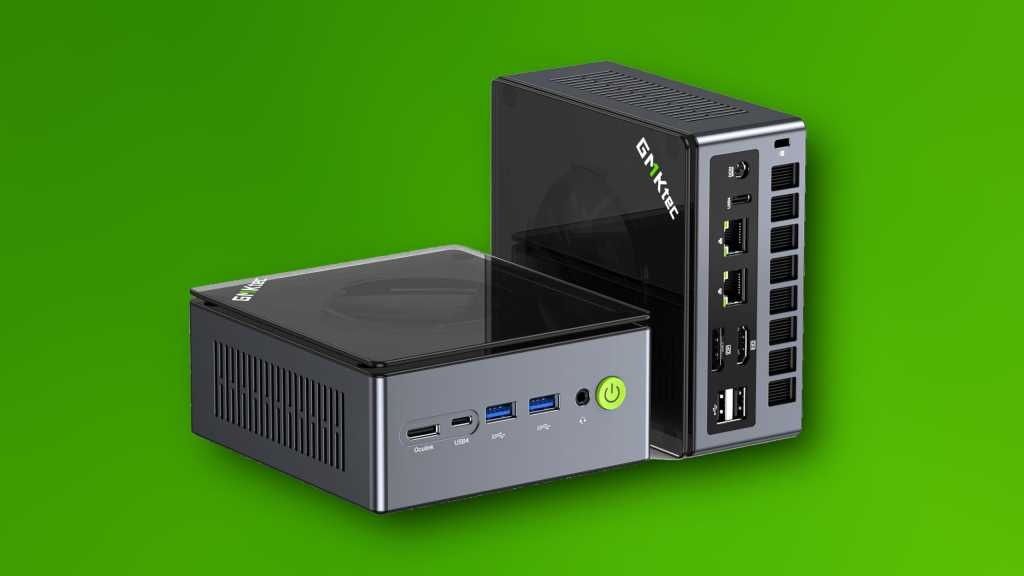
The $417 Powerhouse: How AMD's Ryzen 7 Pro Mini PC Is Redefining Compact Computing

📷 Image source: pcworld.com
The Unprecedented Value Proposition
When high-end specs meet bargain pricing
Imagine getting a fully capable desktop computer with professional-grade components for less than the price of a mid-range smartphone. According to pcworld.com, that's exactly what's happening with the Minisforum Venus Series UM773 Lite mini PC, which packs an AMD Ryzen 7 PRO 7735HS processor, 32GB of DDR5 RAM, and quad 4K output capability into a compact chassis priced at just $417. This pricing represents what the report calls 'an incredible deal' in the mini PC market, challenging conventional wisdom about what's possible at this price point.
Typically, systems with these specifications would command prices well above $800, making this offering particularly noteworthy for budget-conscious professionals and power users. The combination of professional-grade components at consumer pricing creates a unique value proposition that could disrupt expectations across multiple computing segments, from small business deployments to home entertainment setups.
Technical Specifications Breakdown
What makes this mini PC tick
At the heart of this compact system lies the AMD Ryzen 7 PRO 7735HS processor, an 8-core, 16-thread chip based on AMD's Zen 3+ architecture with a maximum boost clock of 4.75 GHz. According to the source, this processor includes integrated Radeon 680M graphics, which the report states is 'capable of driving up to four 4K displays simultaneously.' The 32GB of DDR5 RAM operates at 4800MHz, providing substantial memory bandwidth for multitasking and memory-intensive applications.
The storage configuration includes a 512GB PCIe 4.0 NVMe SSD, offering fast boot times and rapid data access. Connectivity options are comprehensive, featuring two USB4 ports with 40Gbps bandwidth, two USB 3.2 Gen 2 ports, two USB 2.0 ports, dual 2.5Gb Ethernet ports, and both HDMI 2.1 and DisplayPort 1.4 outputs. Wireless connectivity includes Wi-Fi 6E and Bluetooth 5.2, ensuring modern wireless capabilities.
Mini PC Market Evolution
From niche to mainstream computing
The mini PC segment has undergone significant transformation over the past decade. Initially dominated by Intel's NUC (Next Unit of Computing) systems, the market has expanded to include numerous manufacturers offering increasingly powerful systems in compact form factors. According to industry standards, mini PCs typically target specific use cases like digital signage, thin clients, or home theater PCs, but systems like the UM773 Lite are blurring these boundaries by offering desktop-level performance.
Market research indicates the global mini PC market has been growing at approximately 7-9% annually, driven by factors including space constraints, energy efficiency demands, and the shift toward cloud computing. The emergence of powerful AMD Ryzen processors in this segment represents a significant competitive development, challenging Intel's historical dominance and offering consumers more choice in the compact computing space.
Professional Applications and Use Cases
Where this power meets practicality
The combination of professional-grade components and compact form factor makes this system suitable for numerous applications. According to pcworld.com, the quad 4K output capability makes it ideal for digital signage deployments, trading floors, or control room environments where multiple high-resolution displays are required. The Ryzen 7 PRO processor's business-focused features, including enhanced security and manageability, position it well for corporate deployments.
Small businesses could utilize these systems for point-of-sale terminals, reception area workstations, or compact office setups where space is at a premium. Creative professionals might find the system adequate for photo editing, light video work, or design tasks, though the integrated graphics would limit heavy 3D rendering or high-end video editing capabilities. The dual Ethernet ports also make it suitable for network appliance applications or home lab environments.
Performance Expectations and Limitations
Understanding what this system can and cannot do
While the specifications are impressive for the price point, it's important to understand the performance envelope. The AMD Ryzen 7 PRO 7735HS processor, according to industry benchmarks, delivers performance comparable to desktop processors from just a few generations ago, making it capable of handling most productivity tasks, web browsing, media consumption, and light content creation. The Radeon 680M integrated graphics represents the current pinnacle of integrated GPU performance, capable of handling 4K video playback and light gaming at reduced settings.
However, the system does have limitations. The integrated graphics, while capable, cannot match discrete GPU performance for demanding gaming or professional graphics work. Thermal constraints in the compact chassis may also limit sustained performance under heavy loads. Storage expansion is limited to the single NVMe slot, though external storage options remain available through the numerous USB ports.
Global Market Implications
How this pricing affects international computing markets
The aggressive pricing of this system could have significant implications for computing markets worldwide, particularly in developing regions where cost sensitivity is higher. At approximately €380 or ¥30,000 equivalent pricing, systems like this make capable computing more accessible to educational institutions, small businesses, and individual users in markets where traditional desktop computers remain cost-prohibitive.
In practice, this pricing strategy could pressure other manufacturers to offer more competitive pricing, potentially driving down costs across the mini PC segment. The availability of such capable systems at these price points also challenges the traditional hierarchy between mobile computing, desktop computing, and compact systems, potentially accelerating the shift toward smaller form factors in both consumer and professional markets.
Comparative Analysis with Competing Systems
How this mini PC stacks against the competition
When compared to similarly priced systems from competitors, the UM773 Lite's specifications are notably aggressive. Intel-based systems at this price point typically offer lower-tier processors, less RAM, and more limited connectivity options. Apple's Mac Mini, while offering excellent build quality and macOS integration, starts at a significantly higher price point for comparable specifications.
Typically, mini PCs in the $400-500 range feature processors like Intel's Core i3 or AMD's Ryzen 3 series, with 8-16GB of RAM and more basic connectivity. The inclusion of a Ryzen 7 PRO processor and 32GB of DDR5 RAM at this price represents a substantial deviation from market norms. This suggests either aggressive pricing strategy, component cost advantages, or possibly inventory clearance motivations behind this particular offering.
Technical Architecture Deep Dive
Understanding the engineering behind the performance
The AMD Ryzen 7 PRO 7735HS processor is based on TSMC's 6nm process technology, featuring 8 Zen 3+ cores with simultaneous multithreading capability. The Zen 3+ architecture represents an optimization of AMD's successful Zen 3 design, offering improved power efficiency and slightly higher clock speeds within the same thermal envelope. The integrated Radeon 680M graphics features 12 compute units based on AMD's RDNA 2 architecture, providing substantial graphics performance for an integrated solution.
The DDR5 memory operating at 4800MHz offers nearly double the bandwidth of previous-generation DDR4 memory, significantly improving performance in memory-sensitive applications. The PCIe 4.0 interface for storage provides up to 64Gbps of bandwidth, ensuring that storage performance doesn't become a bottleneck. The cooling solution, while not detailed in the source, must balance thermal management with acoustic performance in the compact form factor.
Potential Impact on Computing Ecosystems
How systems like this could change user behavior and expectations
The availability of such capable systems at these price points could significantly impact computing ecosystems and user expectations. For home users, it challenges the need for traditional desktop towers, offering comparable performance in a fraction of the space with lower power consumption. For businesses, it enables more flexible office layouts and reduces hardware costs while maintaining performance standards.
Educational institutions could benefit from the combination of performance, compact size, and affordability, potentially enabling more widespread access to capable computing resources. The system's low power consumption—typically around 45-54 watts under load—also aligns with growing environmental concerns and energy efficiency requirements in both consumer and corporate purchasing decisions.
Future Implications and Market Trends
Where the mini PC market is heading
This pricing and specification combination may signal broader trends in the computing industry. As reported by pcworld.com on 2025-08-29, we're seeing continued compression of form factors alongside increasing performance capabilities. The convergence of mobile and desktop architectures, exemplified by processors like the Ryzen 7 PRO 7735HS, enables performance levels that were previously exclusive to much larger systems.
Looking forward, we can expect continued innovation in cooling solutions, power delivery, and integration that will enable even more powerful systems in compact form factors. The boundaries between laptop processors, desktop processors, and specialized compact system processors are blurring, creating new possibilities for system design and challenging traditional categorizations in the computing market.
Practical Considerations for Potential Buyers
What users should know before purchasing
While the specifications and pricing are compelling, potential buyers should consider several practical factors. The compact form factor means limited upgradeability—the RAM is likely soldered, and storage expansion is limited to the single NVMe slot. Users requiring specific ports or expansion capabilities should verify that the available connectivity meets their needs.
Operating system inclusion isn't specified in the source, so buyers may need to factor in the cost of a Windows license or be prepared to use Linux. Thermal performance under sustained load should be considered, as compact systems can throttle performance when temperatures rise. For users coming from traditional desktops, the transition to a mini PC may require adjustments in expectations regarding upgradeability and expansion capabilities.
Broader Industry Context and Significance
Why this product matters beyond its specifications
The significance of products like the Minisforum UM773 Lite extends beyond their immediate specifications and pricing. They represent the continuing democratization of computing power, making capabilities that were recently exclusive to high-end systems accessible to broader audiences. This aligns with historical trends in computing, where performance consistently moves downward in price points over time.
According to industry analysis, such products also reflect the increasing maturity of the mini PC ecosystem, with more manufacturers, better component availability, and improved design expertise driving innovation and competition. For AMD, success in this segment represents important market diversification beyond traditional desktop and laptop segments, potentially opening new revenue streams and market opportunities. The competitive pressure such products create benefits consumers through better products and more attractive pricing across the computing landscape.
#MiniPC #AMD #Ryzen7 #CompactComputing #TechDeal


