

PCIe 6.0 SSDs Promise Blazing Speeds and Higher Capacity, But Consumer Adoption May Lag

📷 Image source: cdn.mos.cms.futurecdn.net
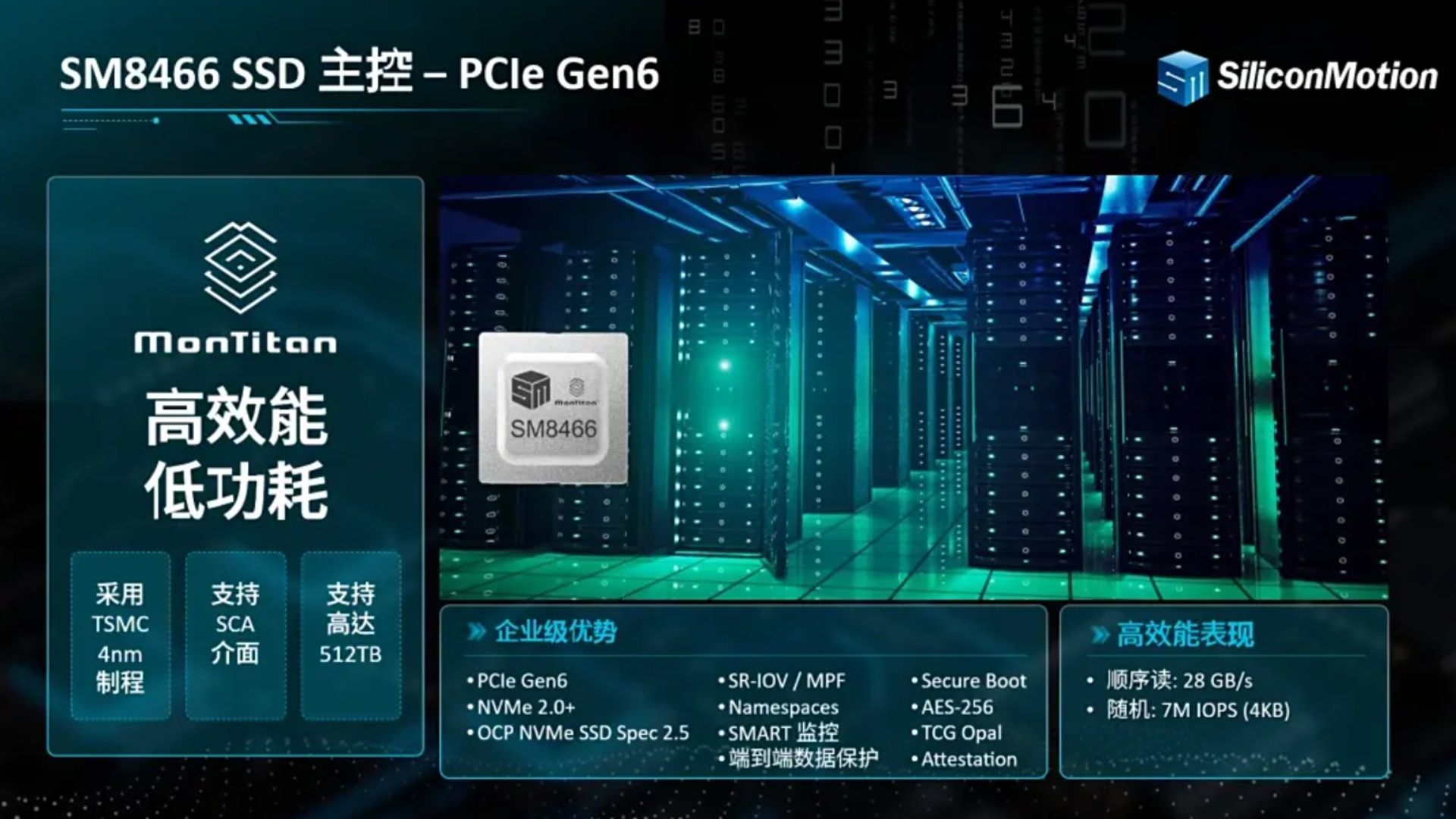
The next generation of solid-state drives (SSDs) is set to push performance boundaries even further, with PCIe 6.0 technology enabling speeds of up to 28GBps and capacities reaching 512GB. This represents a near doubling of bandwidth compared to current PCIe 5.0 drives, which top out around 14GBps. However, industry experts suggest these cutting-edge storage solutions may not hit mainstream desktop PCs until the end of the decade.
According to TechRadar's analysis, while PCIe 6.0 specifications were finalized in 2022, the technology faces several implementation hurdles. The increased speed comes with significant technical challenges, including more complex signal integrity requirements and higher power demands. These factors typically delay widespread adoption as manufacturers work to refine production processes and ensure reliability.
AnandTech's recent coverage of PCIe 6.0 adoption timelines notes that enterprise and data center applications will likely see these drives first, possibly as early as 2025. The server market can better absorb the initial premium pricing and has more urgent need for such high-performance storage. Consumer markets, by contrast, tend to follow 2-3 years behind enterprise adoption for such technological leaps.
Storage experts point out that while the theoretical performance gains are impressive, real-world benefits for most users may be limited. Tom's Hardware analysis suggests that outside of specialized workloads like 8K video editing or massive database operations, PCIe 5.0 drives already provide more than enough performance for gaming and general productivity tasks.
The transition to PCIe 6.0 will also require new motherboard chipsets and potentially revised form factors, adding to the adoption timeline. With PCIe 5.0 just beginning to reach mainstream systems, the industry appears set for a gradual evolution rather than an immediate revolution in storage technology.


