

NASA's GRUVE Lab: Pioneering Space Research for Future Missions
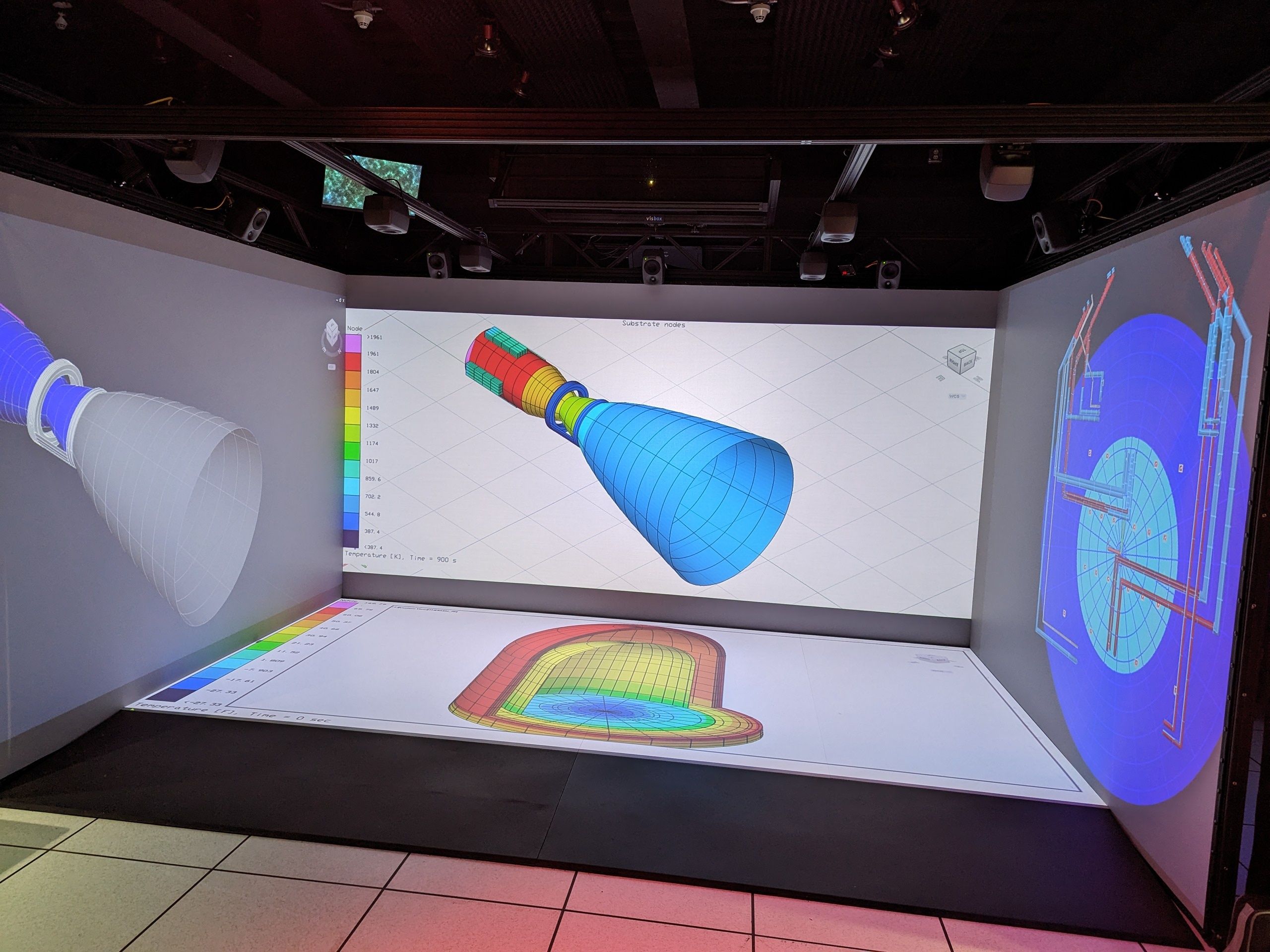

📷 Image source: nasa.gov
NASA's GRUVE Lab: A Hub for Cutting-Edge Space Research
At NASA's Glenn Research Center in Cleveland, Ohio, the GRUVE (Glenn Reconfigurable User-interface and Virtual Reality Exploration) Lab stands as a testament to the agency's commitment to innovation. This state-of-the-art facility is designed to push the boundaries of virtual reality (VR) and human-computer interaction, providing researchers with tools to simulate and analyze space environments with unprecedented precision.
Advanced Virtual Reality for Space Exploration
The GRUVE Lab leverages high-fidelity VR systems to create immersive simulations of extraterrestrial landscapes, spacecraft interiors, and other critical scenarios. These simulations enable scientists and engineers to test equipment, train astronauts, and troubleshoot potential issues before they arise in actual missions. By replicating the harsh conditions of space, the lab helps mitigate risks and enhances mission success rates.
Collaborative Research and Development
Beyond VR, the lab fosters collaboration between NASA engineers, academic researchers, and private sector partners. Projects range from developing next-generation spacesuit interfaces to optimizing spacecraft control systems. The lab's reconfigurable setup allows teams to adapt quickly to new research demands, making it a versatile asset for NASA's broader goals.
GVIS: Powering Visualization and Innovation
Central to the GRUVE Lab's capabilities is the Glenn Visualization Environment (GVIS), a suite of advanced visualization tools. GVIS integrates real-time data rendering, 3D modeling, and interactive displays to provide researchers with dynamic insights into complex space phenomena.
Real-Time Data Analysis
GVIS enables scientists to process and visualize vast amounts of data from missions in real time. Whether analyzing atmospheric conditions on Mars or simulating microgravity effects on spacecraft materials, the system offers unparalleled clarity. This capability is crucial for making informed decisions during missions and refining designs for future spacecraft.
Training the Next Generation of Astronauts
The lab also plays a pivotal role in astronaut training. By immersing trainees in hyper-realistic VR environments, GVIS helps them acclimate to the challenges of space travel. From navigating zero-gravity conditions to performing emergency repairs, astronauts can practice scenarios that would be impossible to replicate on Earth.
The Future of GRUVE Lab and Space Exploration
As NASA sets its sights on ambitious projects like the Artemis program and Mars colonization, the GRUVE Lab's role will only expand. Its ability to simulate and solve problems before they occur in space is invaluable for ensuring the safety and efficiency of long-duration missions.
Expanding Partnerships
NASA plans to collaborate with international space agencies and commercial partners to further enhance the lab's capabilities. These partnerships aim to integrate emerging technologies like artificial intelligence and machine learning into the lab's workflows, paving the way for smarter, more autonomous space systems.
A Legacy of Innovation
Since its inception, the GRUVE Lab has contributed to numerous breakthroughs in space technology. From improving spacecraft ergonomics to refining extraterrestrial habitat designs, its impact is felt across NASA's missions. As the lab continues to evolve, it will remain a cornerstone of the agency's quest to explore the cosmos.
#NASA #SpaceTech #VirtualReality #SpaceExploration #GVIS #GRUVELab


