

NASA Pioneers 5G Aviation Network to Revolutionize Air Taxi Connectivity
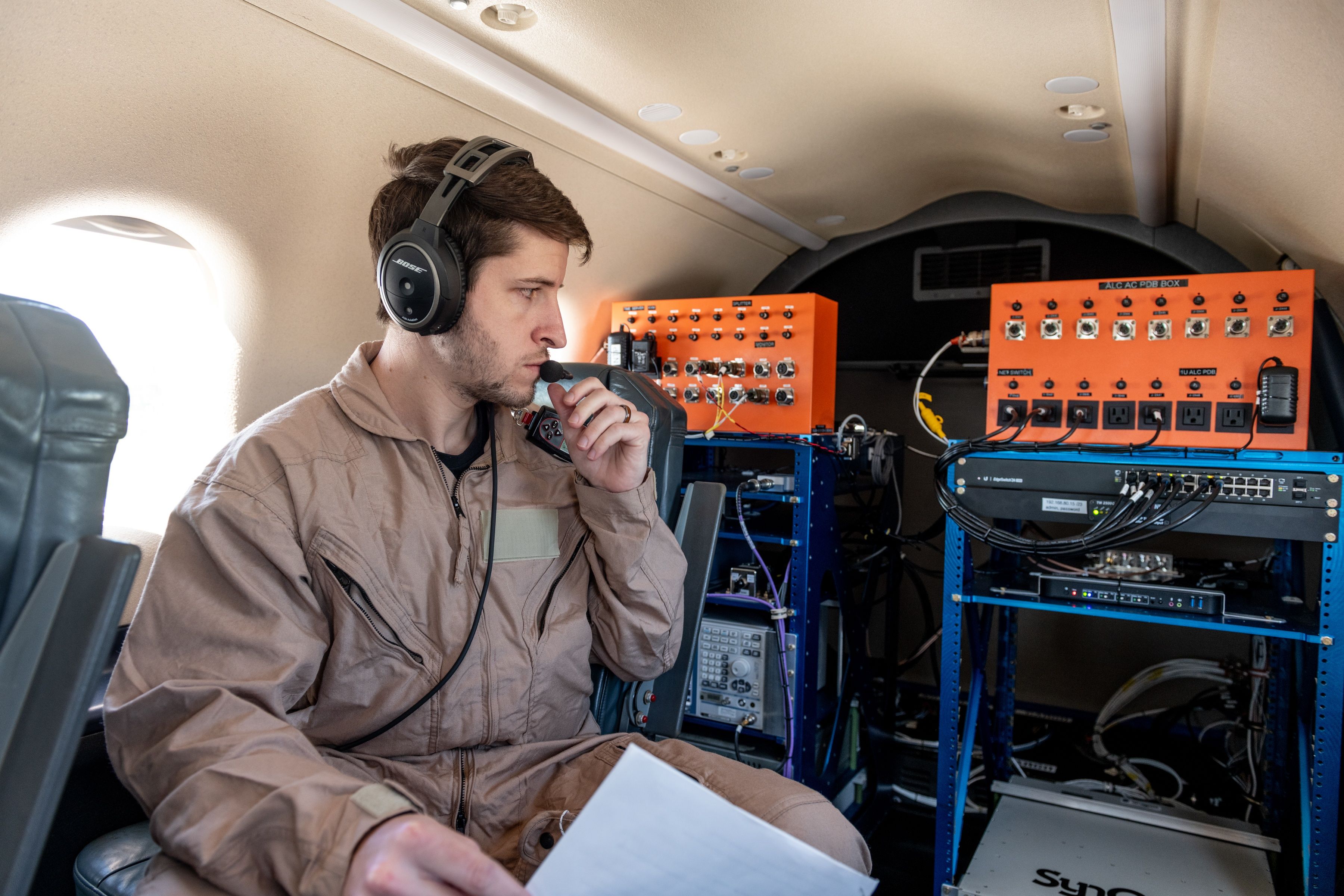

📷 Image source: nasa.gov
NASA Takes to the Skies with 5G: A Game-Changer for Urban Air Mobility
In a bold move that could redefine the future of urban transportation, NASA has begun testing a cutting-edge 5G-based aviation network designed specifically for air taxis. The groundbreaking initiative, conducted at NASA's Armstrong Flight Research Center in California, marks a significant leap toward making electric vertical takeoff and landing (eVTOL) vehicles a viable and safe mode of urban transit.
Bridging the Connectivity Gap in Urban Airspace
As cities worldwide grapple with increasing traffic congestion, air taxis have emerged as a promising solution. However, the lack of robust communication infrastructure has remained a critical hurdle. NASA's new 5G network aims to solve this by providing ultra-reliable, low-latency communication between air taxis, ground control, and other aircraft—ensuring seamless coordination in crowded urban skies.
How NASA's 5G Aviation Network Works
The experimental network leverages millimeter-wave (mmWave) technology, a high-frequency band of 5G that offers significantly faster data speeds and greater bandwidth than current aviation communication systems. This enables real-time transmission of crucial flight data, weather updates, and air traffic information—all essential for safe air taxi operations.
Overcoming Technical Challenges
One of the major technical hurdles NASA engineers are addressing is signal interference in dense urban environments. Tall buildings, weather conditions, and other aircraft can disrupt 5G signals. The agency is testing advanced beamforming techniques and network redundancy protocols to ensure uninterrupted connectivity even in challenging conditions.
The Bigger Picture: Accelerating the Air Taxi Revolution
NASA's initiative comes at a pivotal moment in aviation history. Major companies like Joby Aviation, Archer, and Lilium are racing to certify their eVTOL aircraft, with some aiming for commercial operations as early as 2025. A reliable communication infrastructure is seen as the missing piece that could accelerate regulatory approval and public adoption of air taxis.
Safety First: The Non-Negotiable Priority
Beyond convenience, NASA emphasizes that their 5G network is primarily about safety. The system is being designed to meet the stringent requirements of the Federal Aviation Administration (FAA), with particular focus on fail-safe mechanisms that prevent communication breakdowns during critical flight phases.
What This Means for the Future of Transportation
If successful, NASA's 5G aviation network could do more than enable air taxis—it might establish a new global standard for urban air mobility communication. The technology could eventually support autonomous flight operations and integrate with smart city infrastructure, creating a seamless transportation ecosystem that connects ground and air transit.
As the tests progress, the aviation industry watches closely. The success of this initiative could determine whether the long-promised vision of flying taxis becomes an everyday reality or remains grounded by technical limitations. One thing is certain: NASA is once again pushing the boundaries of what's possible in transportation technology.
#NASA #5G #AirTaxis #UrbanMobility #AviationTech #eVTOL


